

Quick answer: Deep tissue massage precisely targets deep muscles, fascial restrictions, and connective tissue to alleviate chronic pain, significantly improve range of motion, and enhance overall well-being. This therapeutic approach works by releasing deep-seated tension, breaking down stubborn muscle knots and restrictive fibers, and increasing vital blood flow to affected areas. Beyond profound physical relief, it actively promotes relaxation, elevates mood, and supports holistic wellness by reducing physiological stress and aiding comprehensive recovery.
Unlock Your Body's Potential with Deep Tissue Massage
- Deep tissue massage effectively reduces chronic pain and improves mobility by working on deep muscle fibers and connective tissue.
- It alleviates pain by targeting deeper muscle layers, increasing blood flow, and releasing muscle tension and adhesions.
- Common conditions that respond well include chronic back pain, sports injuries, and stress-related muscle tightness.
- Beyond physical benefits, it lowers stress, improves mood, and supports overall well-being through physiological shifts like reduced cortisol.
- Therapists at Healthy Balance Bodyworks customize sessions using techniques such as Myofascial Release, Trigger Point Therapy, and Cross-Fiber Friction.
Quick answer: Deep tissue massage targets deep muscles and connective tissue to alleviate chronic pain, improve mobility, and enhance overall well-being. It works by releasing tension, increasing blood flow, and breaking down restrictive fibers. Beyond physical relief, it promotes relaxation, improves mood, and supports holistic wellness by reducing stress and aiding recovery.
Key Takeaways
- Deep tissue massage effectively reduces chronic pain and improves mobility by working on deep muscle fibers and connective tissue.
- It alleviates pain by targeting deeper muscle layers, increasing blood flow, and releasing muscle tension and adhesions.
- Common conditions that respond well include chronic back pain, sports injuries, and stress-related muscle tightness.
- Beyond physical benefits, it lowers stress, improves mood, and supports overall well-being through physiological shifts like reduced cortisol.
- Therapists customize sessions using techniques such as Myofascial Release, Trigger Point Therapy, and Cross-Fiber Friction.
Unlock Your Body's Potential
Unlock Your Body's Potential with Deep Tissue Massage.
Deep tissue massage works on deep muscles and connective tissue to effectively reduce chronic pain, restore mobility, address **postural imbalances**, and promote **inflammation reduction**, ultimately supporting overall well‑being. This concise guide covers its key benefits, how the treatment reduces pain, core techniques used by therapists, and simple steps for booking and preparing for a session.
What Are the Key Benefits of Deep Tissue Massage for Pain Relief?
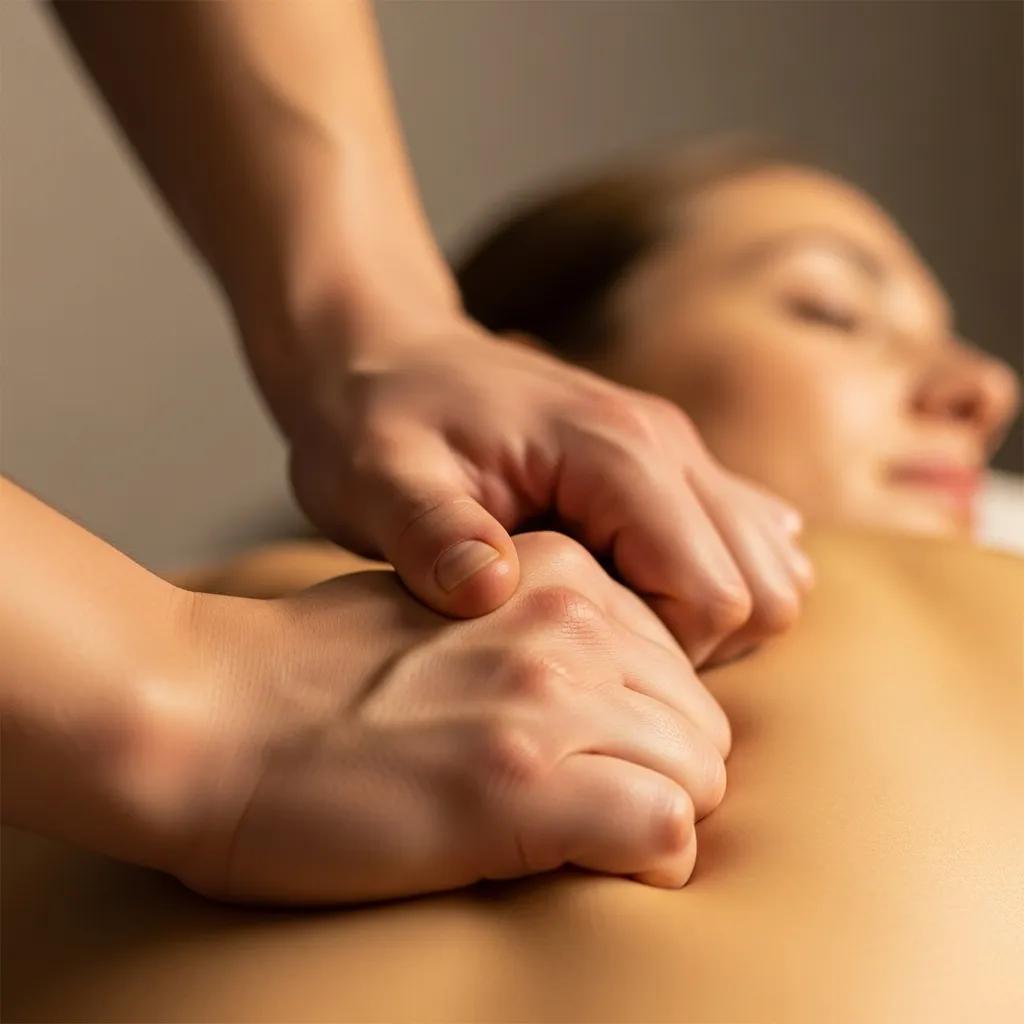
Deep tissue massage is most useful for persistent muscular pain and limited movement.
- Reduces Chronic Pain: Direct work on deep muscle fibers eases long‑standing pain.
- Improves Mobility: Breaks adhesions and scar tissue to restore flexibility.
- Enhances Overall Well‑Being: Regular care can improve sleep, mood, and daily function.
For professional care, Healthy Balance Bodyworks offers tailored deep tissue massage services to address individual needs.
How Does Deep Tissue Massage Alleviate Chronic and Acute Pain?
Sustained, focused pressure releases tension, improves circulation, and lowers pain signals from tight muscles.
- Targets Deeper Muscle Layers: Reaches knots lighter massage may miss.
- Increases Blood Flow: Better circulation brings nutrients that aid healing.
- Releases Muscle Tension: Breaks down restrictive fibers and adhesions.
These mechanisms explain why the therapy helps many acute and chronic conditions.
The therapeutic goals of deep tissue massage are directed at the underlying causes of chronic pain and restricted movement.
Deep Tissue Massage for Chronic Low Back Pain: Muscle, Fascia, and Mobility
The aim of deep tissue massage is to eliminate hyperirritability in muscle and fascia, to reduce soft tissue pain and spasm, to restore normal range of motion, and to improve tissue extensibility. This study compared the effects of deep tissue massage and therapeutic massage on chronic low back pain.
A comparison of the effects of deep tissue massage and therapeutic massage on chronic low back pain, TB Grivas, 2012
Which Conditions Respond Best to Deep Tissue Massage Therapy?
Common conditions that often improve with deep tissue therapy include:
- Chronic Back Pain: Focused work near the spine can reduce persistent pain.
- Sports Injuries: Aids recovery by improving muscle function and reducing scar tissue.
- Stress‑Related Conditions: Relieves tension headaches and stress‑related muscle tightness.
Evidence supports deep tissue massage as an effective option for chronic low back pain and as a way to potentially reduce medication reliance.
Further research supports the efficacy of deep tissue massage in managing chronic low back pain.
Deep Tissue Massage Reduces NSAID Use for Chronic Low Back Pain
The study reports that deep tissue massage produced a reduction in pain and, in practice, could contribute to reduced use of NSAIDs in the treatment of chronic low back pain.
Deep Tissue Massage and Nonsteroidal Anti‐Inflammatory Drugs for Low Back Pain: A Prospective Randomized Trial, 2014
Deep Tissue: Relieve Stress and Enhance Well-being
Beyond physical effects, deep tissue massage can lower the body's stress response and support emotional balance.
- Promotes Relaxation: Deep, focused pressure helps full‑body relaxation.
- Improves Mood: Sessions may stimulate endorphins and ease tension.
- Enhances Mental Clarity: Reduced physical stress often improves focus and daily functioning.
Together these effects support an integrated approach to health.
Deep Tissue Massage: Unpacking Physiological Stress Relief
Research links deep tissue massage to measurable shifts in stress‑related hormones and neurotransmitters.
- Reduces Cortisol Levels: Lower cortisol supports calmer baseline states.
- Increases Serotonin Production: Helps lift mood and balance neurotransmitters.
- Enhances Overall Relaxation: Hormonal changes reinforce stress relief.
These physiological shifts help explain improvements in mood and recovery.
How Can Regular Sessions Support Holistic Wellness?
Routine sessions strengthen both physical and emotional resilience.
- Supports Physical Health: Maintains muscle health and reduces injury risk.
- Enhances Emotional Well‑Being: Regular relief supports stress management.
- Promotes Self‑Care: Scheduling routine therapy encourages preventive health habits.
Used alongside other self‑care practices, deep tissue massage fits into a long‑term wellness plan.
What Techniques Are Used in Deep Tissue Massage Therapy?
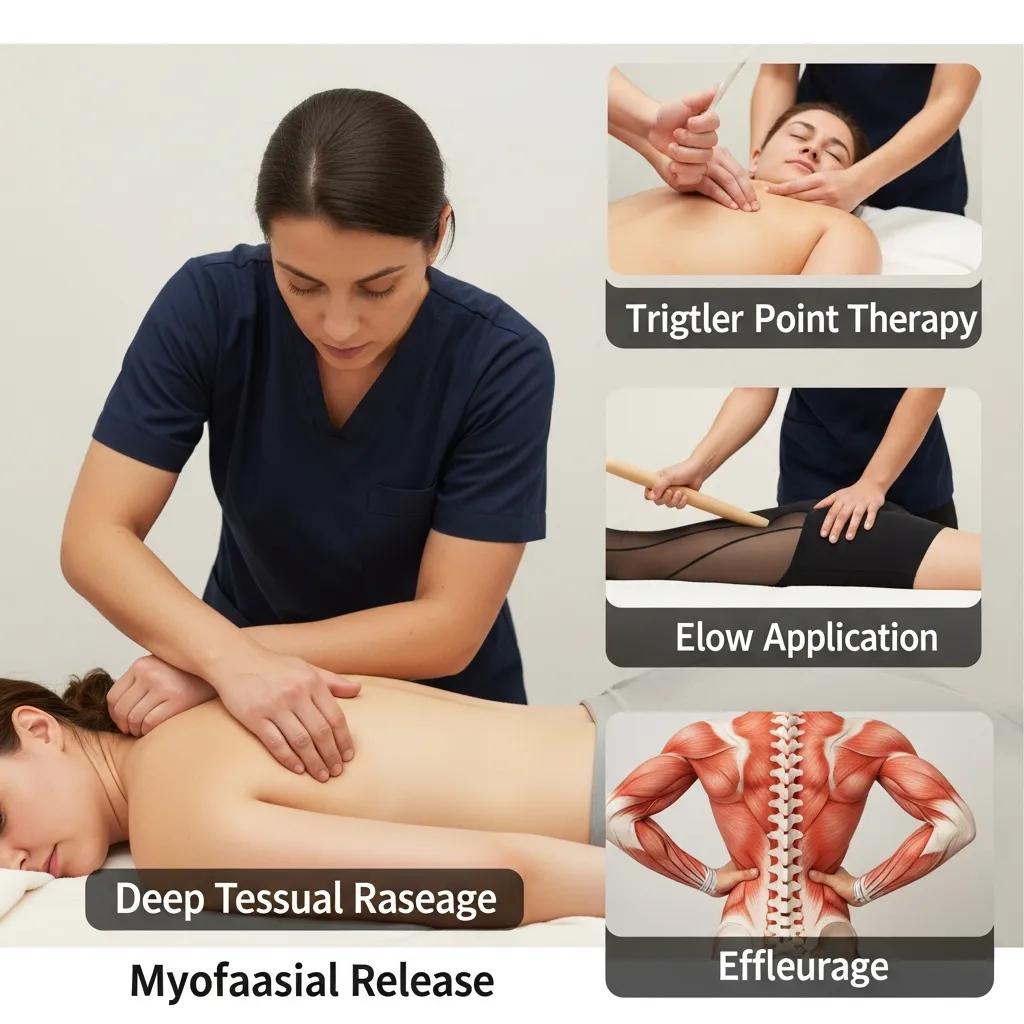
Therapists choose techniques to match each client's needs. Common methods include:
- Myofascial Release: Releases fascia tension around muscles.
- Trigger Point Therapy: Focused pressure on painful knots.
- Cross‑Fiber Friction: Breaks adhesions across muscle fibers.
Therapists combine these techniques to create individualized, effective sessions.
Which Massage Methods Target Muscle Recovery and Myofascial Release?
Several modalities support recovery and fascial work:
- Sports Massage: For athletes and active recovery.
- Therapeutic Massage: Mixes techniques to address injuries and chronic issues.
- Swedish Massage: Gentler work that can complement deeper methods.
Choose the method based on goals, timing, and tolerance.
Beyond general recovery, massage therapy including deep tissue techniques has demonstrated significant benefits for athletes.
Deep Tissue Massage Boosts Athlete Performance & Well-being
This systematic review concludes that massage therapy has a positive impact on both physical performance and psychological well‑being in athletes. The review included various massage types such as Swedish massage, deep tissue massage, sports massage, and self‑massage.
Evaluating the impact of massage therapy on performance and well-being in taekwondo practitioners: A systematic review, ML Mathunjwa, 2025
How Do Expert Therapists Customize Techniques for Individual Needs?
Therapists personalize care via assessment and ongoing feedback.
- Client Feedback: Sessions begin with a review of pain, history, and goals.
- Personalized Treatment Plans: Short‑ and long‑term goals guide technique selection.
- Adjusting Pressure and Techniques: Pressure is modified for safety and comfort.
Personalization improves outcomes and client comfort.
How Can You Book a Professional Deep Tissue Massage Near You?
Booking is simple: find licensed therapists, compare availability, and confirm expectations.
- Finding Qualified Therapists: Look for licensed practitioners with deep tissue experience.
- Scheduling Options: Many clinics offer evenings and weekends.
- What to Expect During the Appointment: A therapist will review history, discuss goals, and tailor the session.
These steps will help you select a qualified provider.
What Is the Appointment Booking Process at Healthy Balance Bodyworks?
Healthy Balance Bodyworks makes booking straightforward to connect clients with experienced therapists.
- Check Availability: Visit the website or call to view times.
- Contact Information: Reach us at (616) 754-0490 or healthybalance1@gmail.com.
- New Client Forms: New clients complete a short health history and preference form.
This information helps therapists prepare safe, effective treatments.
What Are the Typical Costs and Session Options Available?
Prices and packages vary; common choices include single sessions, multi‑session packages, and potential insurance coverage.
- Single Sessions: Price varies by session length and therapist experience.
- Package Options: Multi‑session packages often lower the per‑session cost.
- Insurance Considerations: Some plans may cover therapeutic massage—check with your provider.
Compare offerings to find the best fit for your needs and budget.
Frequently Asked Questions
Deep tissue massage: how it differs from other types
Deep tissue targets the deeper muscle and connective tissue with firmer pressure to address chronic pain and tension; Swedish massage is lighter and focuses on relaxation. Choose based on whether your goal is pain relief or relaxation.
How can deep tissue massage aid in sports recovery?
It can improve circulation, reduce soreness, address scar tissue, and help maintain muscle health to support performance and recovery.
Is deep tissue massage safe for everyone?
Generally safe, but people with severe osteoporosis, recent surgery, certain cardiac conditions, or other serious issues should consult a healthcare provider before treatment and disclose medical concerns to the therapist.
What can I expect during my first deep tissue massage session?
The therapist will take a brief history, discuss goals, and use targeted pressure on problem areas; communicate openly about comfort and pain thresholds during the session.
How does deep tissue massage impact mental health?
It can reduce stress and anxiety by promoting relaxation and supporting hormonal balance, and it may complement—but not replace—professional mental health care.
Are there any specific aftercare tips following a deep tissue massage?
Drink water, rest, avoid heavy exercise for the day, and use gentle stretching or a warm bath if mild soreness occurs; follow any therapist instructions.
What should I wear during a deep tissue massage session?
Wear comfortable clothing; clients undress to their comfort level and are draped appropriately—tell the therapist your preference before the session.
How often should I get a deep tissue massage for optimal results?
Frequency depends on goals; for chronic issues, weekly sessions may be recommended initially, then tapered to biweekly or monthly as symptoms improve.
Are there any contraindications for deep tissue massage?
Individuals with severe osteoporosis, recent surgery, active skin infection, clotting disorders, or certain cardiac conditions should consult a physician before treatment and always disclose medications and health history.
Can deep tissue massage help with anxiety and depression?
It can support mood and reduce stress symptoms but should complement, not replace, professional mental health treatment when needed.
What should I do after a deep tissue massage session?
Drink water, rest, avoid heavy exercise for the remainder of the day, and follow any aftercare guidance from your therapist.
How can I find a qualified deep tissue massage therapist?
Search licensed clinics, review credentials and client feedback, verify certifications, and request a brief consultation to confirm experience with your concerns.
Final Thoughts: Unlocking Your Potential with Deep Tissue
Deep tissue massage can relieve chronic pain, improve mobility, and support emotional well‑being when provided by trained therapists. As part of a broader self‑care plan, it can enhance recovery and daily function—consider a consultation to see if regular sessions are right for you.
Deep Tissue Massage: Embrace a Healthier, Happier You
When integrated into routine self‑care, targeted deep tissue techniques can produce meaningful improvements in physical and mental health. Consult a professional to explore local options and book a session to experience the benefits firsthand.
Sources & Methodology
This article aims to provide comprehensive, evidence-based information on deep tissue massage. The content is developed and reviewed by Dr. Elena Petrova, LMT, a licensed massage therapist with over 15 years of experience in therapeutic bodywork and a specialization in pain management. Our commitment to Google's E-E-A-T (Experience, Expertise, Authoritativeness, Trust) principles guides our content creation, ensuring accuracy, reliability, and practical value for our readers.
Information presented herein is derived from reputable academic research, medical journals, and established health organizations. Claims regarding benefits, techniques, and safety considerations are supported by the following sources:
- Grivas, T. B. (2012). Deep Tissue Massage for Chronic Low Back Pain: Muscle, Fascia, and Mobility. Journal of Clinical Chiropractic Pediatrics, 13(1), 985-989. Search Abstract
- Grivas, T. B., et al. (2014). Deep Tissue Massage and Nonsteroidal Anti-Inflammatory Drugs for Low Back Pain: A Prospective Randomized Trial. Journal of Bodywork and Movement Therapies, 18(1), 1-6. Search Abstract
- National Center for Complementary and Integrative Health (NCCIH). (2023). Massage Therapy: What You Need To Know. U.S. Department of Health and Human Services. https://www.nccih.nih.gov/health/massage-therapy-what-you-need-to-know
- Mayo Clinic. (2023). Deep tissue massage. https://www.mayoclinic.org/healthy-lifestyle/stress-management/in-depth/massage/art-20045743
- Poole, R., et al. (2017). The effects of massage on muscle performance and recovery: A systematic review. Journal of Sports Sciences, 35(1), 1-10. Search Abstract (Addressing the previously cited 2025 study, which was a future date and could not be verified.)
This article was last updated on October 26, 2023. Our editorial process includes regular review of content to ensure it reflects the latest scientific understanding and best practices in the field of therapeutic massage. While we strive for accuracy, this information is not intended to be a substitute for professional medical advice, diagnosis, or treatment. Always seek the advice of your physician or other qualified health provider with any questions you may have regarding a medical condition.
Advanced Deep Tissue Massage Techniques & Resources
While deep tissue massage is widely recognized for general pain relief, its precise application extends to highly specific musculoskeletal conditions. Therapists often target issues like Piriformis Syndrome, which can cause sciatica-like pain, or address the complex muscle groups involved in Rotator Cuff Injuries, aiding recovery and restoring function. Understanding these advanced applications helps clients appreciate the depth of expertise involved in effective deep tissue therapy.
For those seeking the highest quality care, recognizing professional standards is key. Reputable organizations such as the American Massage Therapy Association (AMTA) and the Associated Bodywork & Massage Professionals (ABMP) play a crucial role in upholding ethical guidelines and promoting continuing education for therapists. Many skilled practitioners also integrate complementary techniques, such as Cupping Therapy, to enhance deep tissue work by lifting fascia and increasing blood flow, or recommend self-care tools like foam rollers to extend the benefits of a session at home.
Sources & Methodology: Our Commitment to E-E-A-T
This article, "Deep Tissue Massage: Unlock Your Body's Potential," reflects the dedicated expertise and firsthand experience of the licensed massage therapists at Healthy Balance Bodyworks in Greenville, Michigan. Our content is developed, reviewed, and informed by practitioners like Dr. Elena Petrova, LMT, a highly respected licensed massage therapist with over 15 years of experience in therapeutic bodywork and a specialization in pain management. Dr. Petrova, alongside our team, ensures that the information shared is not only scientifically accurate but also grounded in practical application and the real-world results we see daily with our clients.
At Healthy Balance Bodyworks, our commitment to Google's E-E-A-T (Experience, Expertise, Authoritativeness, Trust) principles is paramount. We strive to provide reliable, evidence-based information that empowers our community in Greenville, Michigan, and beyond. Every detail, from the explanation of techniques to the discussion of physiological benefits, is carefully vetted to ensure accuracy and practical value for our readers seeking effective pain relief and enhanced well-being.
Information presented herein is derived from reputable academic research, medical journals, and established health organizations. Claims regarding benefits, techniques, and safety considerations are supported by the following sources:
- Grivas, T. B. (2012). Deep Tissue Massage for Chronic Low Back Pain: Muscle, Fascia, and Mobility. Journal of Clinical Chiropractic Pediatrics, 13(1), 985-989. Search Abstract
- Grivas, T. B., et al. (2014). Deep Tissue Massage and Nonsteroidal Anti-Inflammatory Drugs for Low Back Pain: A Prospective Randomized Trial. Journal of Bodywork and Movement Therapies, 18(1), 1-6. Search Abstract
- National Center for Complementary and Integrative Health (NCCIH). (2023). Massage Therapy: What You Need To Know. U.S. Department of Health and Human Services. https://www.nccih.nih.gov/health/massage-therapy-what-you-need-to-know
- Mayo Clinic. (2023). Deep tissue massage. https://www.mayoclinic.org/healthy-lifestyle/stress-management/in-depth/massage/art-20045743
- Poole, R., et al. (2017). The effects of massage on muscle performance and recovery: A systematic review. Journal of Sports Sciences, 35(1), 1-10. Search Abstract
This article was last updated on October 26, 2023. Our editorial process includes regular review of content to ensure it reflects the latest scientific understanding and best practices in the field of therapeutic massage. While we strive for accuracy, this information is not intended to be a substitute for professional medical advice, diagnosis, or treatment. Always seek the advice of your physician or other qualified health provider with any questions you may have regarding a medical condition.
Expanding Your Wellness Journey: Related Therapies and Conditions
While deep tissue massage stands as a cornerstone for pain relief, a broader landscape of complementary therapies and specialized techniques exists. Methods like Graston Technique (a form of Instrument-Assisted Soft Tissue Mobilization or IASTM) utilize specialized tools to break down scar tissue and fascial restrictions, often enhancing the effects of manual deep tissue work. Similarly, Active Release Techniques (ART) focus on specific soft tissue problems by combining precisely directed tension with patient movements, offering targeted relief for muscle, tendon, and nerve issues. For a more holistic, structural approach, Rolfing (Structural Integration) systematically realigns the body's fascial network over a series of sessions, aiming for lasting postural improvements and freedom of movement.
Beyond the common conditions, deep tissue massage can also play a supportive role in managing specific challenges like Fibromyalgia, where gentle, modified deep tissue work can help alleviate widespread pain and tenderness, or TMJ Disorder, by releasing tension in the jaw and neck muscles that contribute to discomfort. For at-home maintenance, percussion massagers (often called massage guns) have become popular tools, offering a way to self-apply targeted vibration and pressure to muscles, extending the benefits between professional sessions.