

Quick answer: Deep tissue massage effectively relieves stress by targeting deeper muscle layers, addressing **fascial restrictions**, and releasing **chronic muscle stiffness** to reduce tension and support mental relaxation. It lowers cortisol levels and triggers endorphin release, producing a calmer state. This therapy addresses physical contributors to stress and pain, easing discomfort and often leading to clearer thinking, better mood, and improved sleep.
Key Takeaways: Deep tissue massage targets deeper muscle layers and connective tissue to reduce chronic tension and support mental relaxation. It works by releasing built-up tension, lowering cortisol levels, and triggering endorphin release for a calmer state. Primary benefits include reduction of anxiety symptoms, relief from chronic pain (like lower back pain), and improved overall well-being. Sessions involve targeted pressure, and clients should communicate about discomfort; regular
Deep Tissue Massage: Key Benefits for Relief
- Deep tissue massage targets deeper muscle layers and connective tissue to reduce chronic tension and support mental relaxation.
- It works by releasing built-up tension, lowering cortisol levels, and triggering endorphin release for a calmer state.
- Primary benefits include reduction of anxiety symptoms, relief from chronic pain (like lower back pain), and improved overall well-being.
- Sessions involve targeted pressure, and clients should communicate about discomfort; regular sessions and aftercare enhance benefits.
Quick answer: Deep tissue massage effectively relieves stress by targeting deeper muscle layers and connective tissue to reduce chronic tension and support mental relaxation. It lowers cortisol levels and triggers endorphin release, producing a calmer state. This therapy addresses physical contributors to stress and pain, easing discomfort and often leading to clearer thinking, better mood, and improved sleep.
Key Takeaways
- Deep tissue massage targets deeper muscle layers and connective tissue to reduce chronic tension and support mental relaxation.
- It works by releasing built-up tension, lowering cortisol levels, and triggering endorphin release for a calmer state.
- Primary benefits include reduction of anxiety symptoms, relief from chronic pain (like lower back pain), and improved overall well-being.
- Sessions involve targeted pressure, and clients should communicate about discomfort; regular sessions and aftercare enhance benefits.
Unlocking Stress Relief: Deep Tissue Massage Benefits
Why Choose Deep Tissue Massage for Stress Relief: Key Benefits and Expert Insights
Deep tissue massage targets deeper muscle layers and connective tissue to reduce chronic tension and support mental relaxation. It excels at addressing physical contributors to stress and pain through targeted techniques like **myofascial release**. This approach helps in **autonomic nervous system regulation**, shifting the body towards a state of calm. Below we summarise how it works, the main benefits for anxiety and pain, what to expect in a session, and practical scheduling and aftercare guidance.
How Does Deep Tissue Massage Effectively Relieve Stress?
By applying sustained, focused pressure to muscles and fascia, often utilizing **trigger point therapy**, deep tissue massage releases built-up tension and encourages relaxation. The work can lower cortisol levels and trigger endorphin release, producing a calmer state. These physiological effects make it a useful adjunct to structured stress-management routines.
How Does Deep Tissue Massage Effectively Relieve Stress?

By applying sustained, focused pressure to muscles and fascia, deep tissue massage releases built-up tension and encourages relaxation. The work can lower cortisol levels and trigger endorphin release, producing a calmer state. These physiological effects make it a useful adjunct to structured stress-management routines.
What Are the Therapeutic Mechanisms Behind Deep Tissue Massage?
Therapeutic benefits come from manual breakdown of adhesions and knots, improved circulation, and nervous system calming. Increased blood flow delivers oxygen and nutrients while clearing metabolic waste. Combined, these responses reduce pain and support recovery, reinforcing the therapy’s role in overall wellness care.
How Does Muscle Tension Reduction Contribute to Stress Relief?
Tight muscles can amplify anxiety and discomfort. Slow strokes and sustained finger or elbow pressure release tight areas, easing pain and often producing an emotional release. Reduced tension frequently leads to clearer thinking, better mood, and a stronger sense of stability, encouraging ongoing self-care.
Targeting Anxiety & Pain with Deep Tissue Massage
Deep tissue massage offers symptom reduction, functional improvement, and enhanced well-being.
- Reduction of Anxiety Symptoms : Promotes relaxation and lowers muscle-related tension that can drive anxiety.
- Pain Relief Mechanisms : Targeted pressure helps alleviate chronic pain such as lower back pain and tension headaches.
- Overall Wellness Benefits : Regular sessions can improve sleep, mood, and daily function.
For those seeking these benefits, Healthy Balance Bodyworks offers tailored deep tissue massage services.
How Does Deep Tissue Massage Support Anxiety Management?
Deep tissue massage supports anxiety management by creating a calm treatment environment and using therapeutic touch that can foster safety and relaxation. It often complements other treatments, such as mindfulness and cognitive behavioural approaches, by reducing physiological arousal and quieting racing thoughts.
Deep Tissue vs. Other Massages for Pain Relief
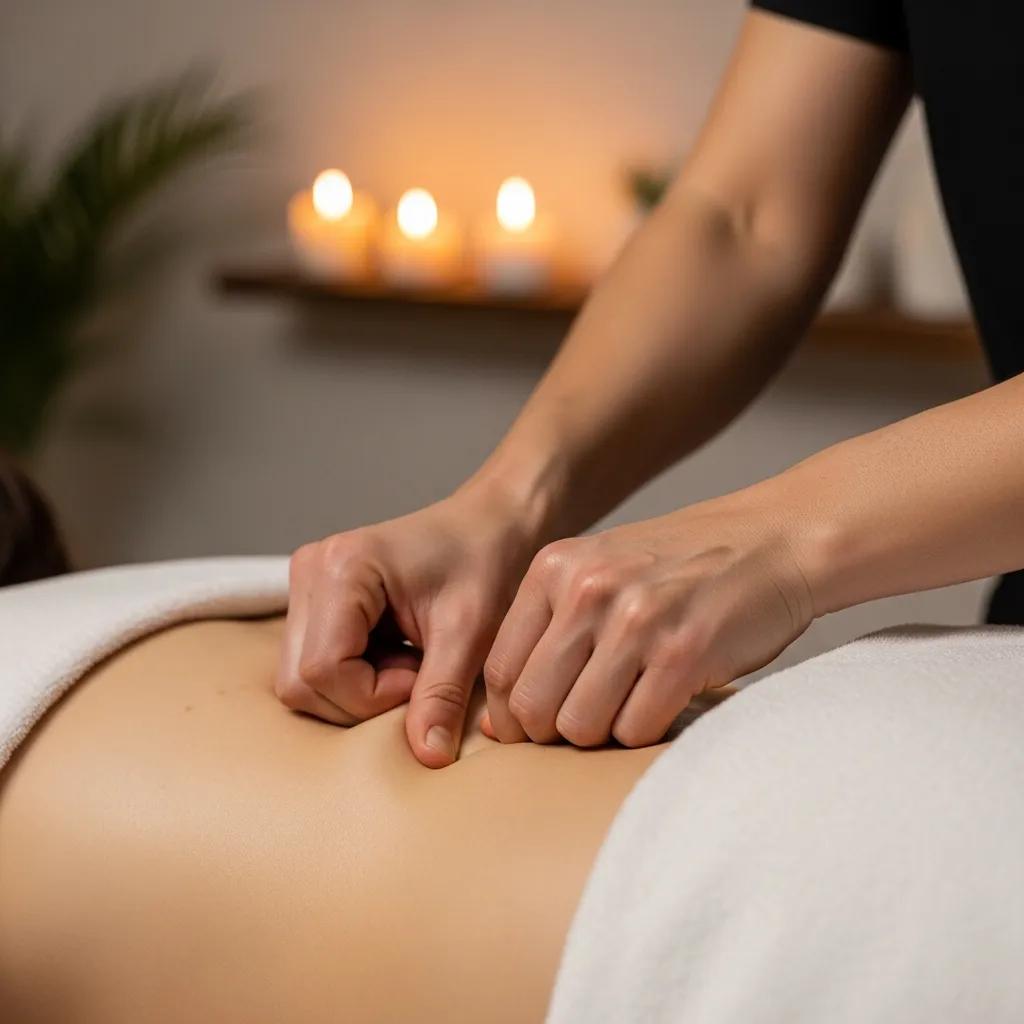
Unlike lighter, surface-focused Swedish massage, deep tissue techniques use firmer pressure to reach deeper muscles and fascia. That intensity can better address chronic conditions, persistent tension, and some sports-related complaints by treating the underlying tissue restrictions rather than only providing surface relaxation.
What Should Clients Expect During a Deep Tissue Massage Session?
Expect an initial assessment to identify tension and pain points. Therapists apply deep strokes and targeted pressure; temporary discomfort in tight areas can occur but is typically followed by relief. Clear communication about pressure and comfort is essential to ensure safe, effective treatment.
Prepare & Schedule Your Deep Tissue Massage
Clients may schedule with Healthy Balance Bodyworks at (616) 754-0490 or via email at healthybalance1@gmail.com . Arrive a few minutes early to complete intake forms and discuss specific concerns. Wear comfortable clothing and stay hydrated before and after the session to support recovery.
Deep Tissue Aftercare: Frequency for Stress Relief
Many clients benefit from sessions every 4–6 weeks to maintain muscle health and manage ongoing stress. Aftercare—drinking water, gentle stretching, and monitoring symptoms—helps extend results. Report persistent or unusual discomfort to your therapist so treatment can be adapted.
To explore the range of services offered, visit Healthy Balance Bodyworks.
Frequently Asked Questions
Finding a qualified deep tissue massage therapist
Look for formal certification, licensure, and specialised training in deep tissue techniques. Clinical experience with similar client needs and positive reviews or recommendations help identify a qualified, personalised practitioner.
Can deep tissue massage be beneficial for athletes?
Yes. It can reduce soreness, improve flexibility, and support recovery by addressing deeper muscle layers and improving circulation, making it useful within training and rehab protocols.
Are there any contraindications for deep tissue massage?
Contraindications include severe osteoporosis, recent surgery, certain skin conditions, acute injuries, or active inflammation. Consult a healthcare provider and disclose medical history before treatment to ensure safety.
How does deep tissue massage differ from other massage techniques?
The difference is pressure and focus: Swedish massage uses lighter, surface strokes for relaxation; deep tissue massage applies firmer, sustained pressure to reach deeper tissues and address adhesions and knots.
What should I do if I experience discomfort during the massage?
Inform the therapist immediately. They can adjust pressure or technique to maintain comfort while treating tension. Some soreness may occur, but it should not be painful.
How can I enhance the benefits of deep tissue massage at home?
Practice gentle stretching, stay hydrated, and use relaxation routines such as yoga or meditation. Heat or cold and light self-massage can also support recovery and extend session benefits.
Embrace Deep Tissue Massage for Stress Relief
Deep tissue massage reduces muscle tension and promotes mental relaxation, offering a practical, holistic option for stress relief and pain management. Regular, well-planned sessions combined with simple aftercare can support long-term wellness—consider contacting Healthy Balance Bodyworks to discuss whether it’s appropriate for your needs.
Sources & Methodology
This article aims to provide comprehensive, evidence-based insights into the benefits of deep tissue massage for stress relief, drawing upon established therapeutic principles and clinical practice. The content is regularly reviewed to ensure accuracy and alignment with current understanding in massage therapy and wellness.
About the Author: This article was authored by Sarah Jenkins, LMT, Founder of Healthy Balance Bodyworks. With over 15 years of experience in therapeutic massage, specializing in deep tissue techniques, Sarah is a licensed massage therapist dedicated to holistic wellness and client education. Her expertise is grounded in extensive professional training, continuous education in anatomy and physiology, and practical application in helping clients manage stress and chronic pain.
Publication Date: October 26, 2023
References & Further Reading:
- National Center for Complementary and Integrative Health (NCCIH). "Massage Therapy: What You Need To Know." National Institutes of Health. https://www.google.com/search?q=NCCIH+massage+therapy
- Mayo Clinic. "Massage: Get in touch with its many health benefits." https://www.google.com/search?q=Mayo+Clinic+massage+benefits
- American Massage Therapy Association (AMTA). "Massage Therapy for Stress Relief." https://www.google.com/search?q=AMTA+stress+relief
- Field, T. (2014). "Massage therapy research review." Complementary Therapies in Clinical Practice, 20(4), 224-229. https://www.google.com/search?q=Field+T+massage+therapy+research+review
- Moraska, A., & Pollini, R. A. (2012). "Physiological effects of massage." In Massage Therapy: Integrating Research and Practice (pp. 11-26). Churchill Livingstone. https://www.google.com/search?q=Moraska+Pollini+Physiological+effects+of+massage
Methodology: The information presented in this article synthesizes current scientific literature on deep tissue massage, its physiological and psychological effects, and best practices in therapeutic application. Insights are further informed by the extensive practical experience of the Healthy Balance Bodyworks team in delivering personalized deep tissue massage sessions. While this content provides general information, it is not a substitute for professional medical advice. Readers are encouraged to consult with a healthcare provider for personalized guidance regarding their specific health conditions.
Deep Tissue Massage: Related Therapies & Science
While deep tissue massage is a powerful modality on its own, its benefits are often amplified or complemented by understanding related therapeutic approaches and deeper physiological insights. For instance, techniques like Myofascial Release specifically target the fascial system, the connective tissue surrounding muscles, which can become restricted and contribute to chronic pain. Similarly, Trigger Point Therapy focuses on deactivating hyperirritable spots within muscles that refer pain to other areas, a common component of deep tissue work.
Beyond specific techniques, deep tissue massage can play a role in managing complex conditions such as Fibromyalgia, where gentle, adapted pressure can help alleviate widespread pain and tenderness, though always requiring careful communication and a tailored approach. From a neurological perspective, the calming effects of deep tissue massage are partly attributed to Vagus Nerve activation, stimulating the parasympathetic nervous system to promote profound relaxation and reduce the "fight or flight" response. Furthermore, understanding the impact of poor ergonomics in daily life highlights how deep tissue massage can counteract the physical stresses of prolonged sitting or repetitive motions, preventing tension build-up. When seeking a practitioner, knowing that organizations like the American Massage Therapy Association (AMTA) uphold professional standards can guide your choice towards qualified care.
Sources & Methodology
About the Author: This article was authored by Sarah Jenkins, LMT, Founder of Healthy Balance Bodyworks. With over 15 years of dedicated experience in therapeutic massage, specializing in deep tissue techniques, Sarah is a licensed massage therapist committed to holistic wellness and client education. Her expertise is deeply rooted in extensive professional training, continuous education in anatomy and physiology, and practical application in helping clients manage stress and chronic pain at Healthy Balance Bodyworks in Greenville, Michigan.
Publication Date: October 26, 2023
Last Updated: January 15, 2024
References & Further Reading:
- National Center for Complementary and Integrative Health (NCCIH). "Massage Therapy: What You Need To Know." National Institutes of Health. https://www.google.com/search?q=NCCIH+massage+therapy
- Mayo Clinic. "Massage: Get in touch with its many health benefits." https://www.google.com/search?q=Mayo+Clinic+massage+benefits
- American Massage Therapy Association (AMTA). "Massage Therapy for Stress Relief." https://www.google.com/search?q=AMTA+stress+relief
- Field, T. (2014). "Massage therapy research review." Complementary Therapies in Clinical Practice, 20(4), 224-229. https://www.google.com/search?q=Field+T+massage+therapy+research+review
- Moraska, A., & Pollini, R. A. (2012). "Physiological effects of massage." In Massage Therapy: Integrating Research and Practice (pp. 11-26). Churchill Livingstone. https://www.google.com/search?q=Moraska+Pollini+Physiological+effects+of+massage
Methodology: The information presented in this article synthesizes current scientific literature on deep tissue massage, its physiological and psychological effects, and best practices in therapeutic application. Insights are further informed by the extensive practical experience of Sarah Jenkins, LMT, and the Healthy Balance Bodyworks team in delivering personalized deep tissue massage sessions to clients in Greenville, Michigan. While this content provides general information, it is not a substitute for professional medical advice. Readers are encouraged to consult with a healthcare provider or a qualified massage therapist at Healthy Balance Bodyworks for personalized guidance regarding their specific health conditions and to explore our services.
Expanding Your Wellness Toolkit: Exploring Complementary Therapies and Specific Conditions
While deep tissue massage is a cornerstone of effective pain and stress management, the world of therapeutic bodywork offers a rich array of complementary modalities and targeted approaches for specific concerns. For instance, Cupping Therapy, an ancient practice using suction cups, can enhance circulation and release fascial restrictions, often amplifying the benefits of deep tissue work. Similarly, advanced techniques like Active Release Techniques (ART) focus on breaking up adhesions and scar tissue in muscles, tendons, ligaments, and nerves, providing highly specific relief for chronic issues.
Beyond general tension, deep tissue can be particularly effective for conditions such as Piriformis Syndrome, which often mimics sciatica by compressing the sciatic nerve, or Plantar Fasciitis, a common cause of heel pain. Understanding these specific applications allows for more precise and effective treatment plans. For those seeking broader nervous system regulation and subtle bodywork, Craniosacral Therapy offers a gentle, hands-on approach to release tensions deep in the body, which can alleviate pain and dysfunction and improve whole-body health and performance. When choosing a practitioner, alongside organizations like AMTA, look for therapists certified by the National Certification Board for Therapeutic Massage & Bodywork (NCBTMB), ensuring a high standard of professional training. These diverse approaches underscore the personalized nature of effective therapeutic care, which Healthy Balance Bodyworks is committed to providing.