

Quick answer: Massage therapy, an evidence-informed, non-drug solution, eases chronic pain by reducing muscle tension, improving circulation, and promoting relaxation. This collectively lowers discomfort and improves function, making it effective for musculoskeletal pain. Approaches like deep tissue and therapeutic massage target specific issues such as chronic tension or fibromyalgia.
Key Takeaways: Massage Therapy for Chronic Pain Relief
- Massage therapy is an evidence-informed, non-drug solution for chronic pain, reducing muscle tension, improving circulation, and promoting relaxation.
- Effective techniques like Deep Tissue and Therapeutic Massage target specific conditions such as chronic tension or fibromyalgia.
- Benefits include pain relief, improved mobility, and stress reduction, with research supporting its effectiveness for musculoskeletal pain.
- Healthy Balance Bodyworks in Greenville, Michigan, offers personalized therapeutic massage services for chronic pain management.
- Preparation for a session involves researching therapists, scheduling, and communicating specific pain areas.
Quick answer: Massage therapy effectively eases chronic pain by reducing muscle tension, improving circulation, promoting deep relaxation through autonomic nervous system regulation, and stimulating natural endorphin release, which collectively lowers discomfort and improves function. This evidence-informed, non-drug option is highly effective for musculoskeletal pain, also contributing to inflammation reduction, with deep tissue and therapeutic approaches targeting specific issues like chronic tension or fibromyalgia by addressing muscle knots and restricted tissues.
Key Takeaways: Massage therapy, an evidence-informed, non-drug option, eases chronic pain by reducing muscle tension, improving circulation, and promoting relaxation. Effective types include Deep Tissue Massage for deeper tension and Therapeutic Massage (e.g., myofascial release) for specific conditions like fibromyalgia.
Key Takeaways
- Massage therapy, an evidence-informed, non-drug option, eases chronic pain by reducing muscle tension, improving circulation, and promoting relaxation.
- Effective types include Deep Tissue Massage for deeper tension and Therapeutic Massage (e.g., myofascial release) for specific conditions like fibromyalgia.
- Benefits of therapeutic massage include pain relief, improved mobility, and stress reduction, though individual responses may vary.
- Research supports massage therapy's effectiveness for musculoskeletal pain and its ability to improve physical function.
- Preparing for a session involves researching qualified therapists, scheduling, and noting pain areas for a targeted experience.
Massage Therapy: Techniques for Chronic Pain Relief
Discover How Massage Therapy Eases Chronic Pain: Effective Techniques and Benefits for Pain ManagementChronic pain affects millions, reducing quality of life and increasing reliance on medication. Massage therapy is an evidence-informed, non‑drug option that can ease discomfort and support well‑being, often as a vital part of an interdisciplinary pain management approach. This article explains how massage may relieve chronic pain, exploring its benefits within the biopsychosocial model of pain, summarizes common techniques and benefits, and outlines how to book and prepare for a therapeutic massage to improve appointment outcomes.
What Is Chronic Pain and How Can Massage Therapy Help?
Chronic pain persists for weeks, months, or years and often stems from conditions like arthritis, fibromyalgia, or prior injuries. It may limit activity, increase emotional strain, and reduce function. Massage can reduce muscle tension, improve circulation, and promote relaxation—factors that help lower pain and improve function. Consider massage as part of a broader treatment plan.
Research supports the effectiveness of massage therapy for musculoskeletal pain and for improving physical function.
Massage Reduces Musculoskeletal Pain & Improves Function
Massage therapy, as a stand-alone treatment, reduces pain and improves function compared to no treatment in some musculoskeletal conditions.
Massage therapy has short-term benefits for people with common musculoskeletal disorders compared to no treatment: a systematic review, 2015
Which Types of Massage Are Most Effective for Chronic Pain Relief?
Various massage approaches can reduce chronic pain. Each approach uses distinct techniques and yields different outcomes for pain and function. The following comparison outlines common types and their relative effectiveness.
Deep Tissue Massage and Its Role in Pain Reduction

Deep tissue massage uses firm pressure and slow strokes to reach deeper muscle and connective tissue, breaking adhesions and easing chronic tension. Many clients notice less pain and greater range of motion after sessions. For issues such as lower back pain or sports injuries, deep tissue can aid recovery and longer-term relief.
Therapeutic Massage Modalities for Fibromyalgia and Other Conditions
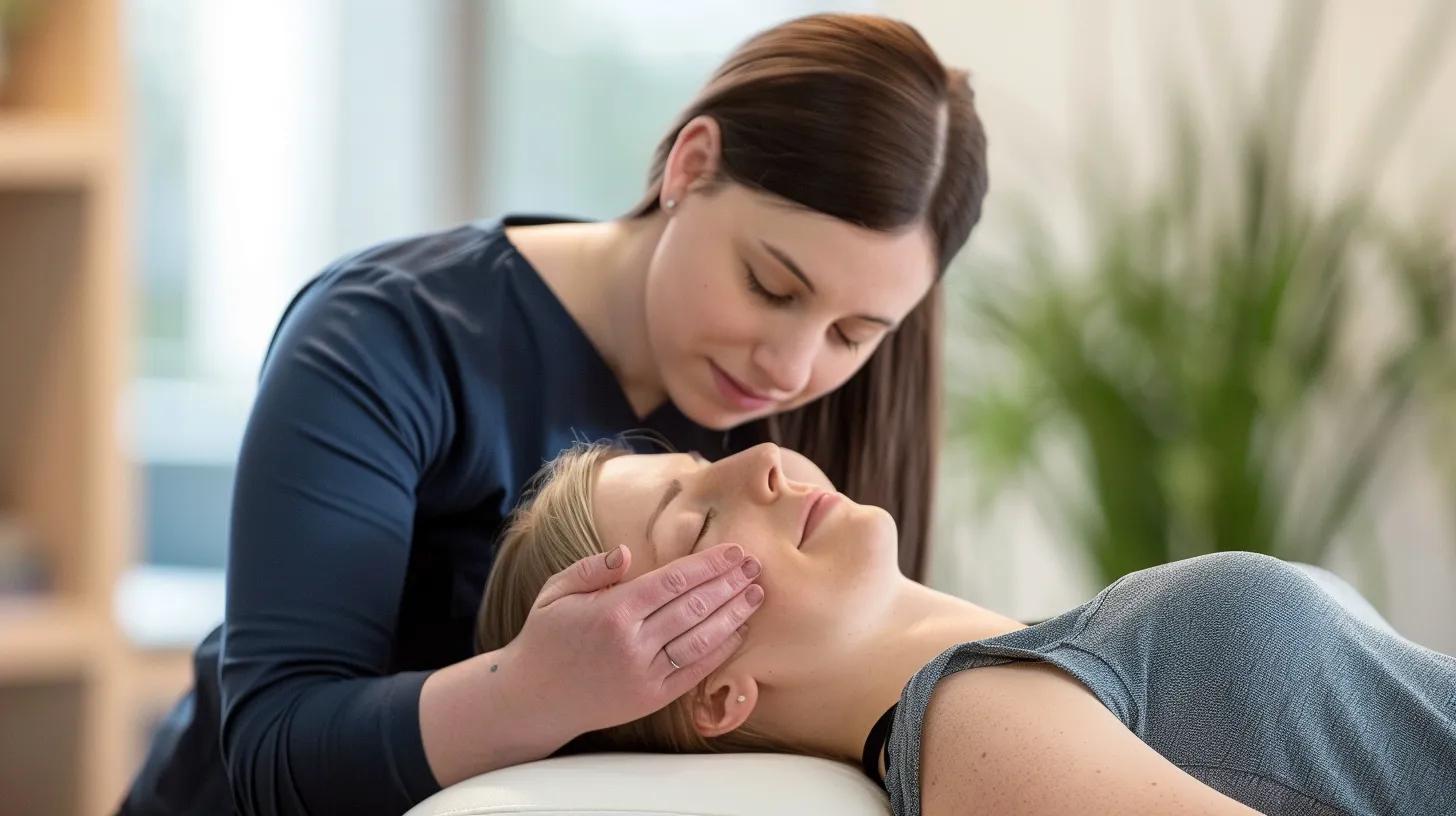
Therapeutic approaches like myofascial release and trigger-point therapy treat focal pain common in fibromyalgia and related disorders. They address muscle knots and restricted tissues to improve blood flow and reduce pain sensitivity. Some clinical studies and client reports show reduced pain and better quality of life for those receiving regular therapeutic massage.
Specifically, studies have examined physical therapy modalities, including massage, as alternative treatments for conditions such as fibromyalgia.
Fibromyalgia: Physical Therapy as Alternative Pain Treatment
Fibromyalgia is a syndrome characterized by generalized chronic musculoskeletal pain, hyperalgesia in specific points, and psychosomatic symptoms, such as fatigue, sleep disturbances (waking unrefreshed), anxiety, depression, cognitive dysfunction, headache, and gastrointestinal disorders. Investigations with non-pharmacological therapies, focused on physical therapy, have increased in recent years as alternative therapies for the treatment of fibromyalgia. The purpose of this review is to summarize the main physical therapy modalities used to treat fibromyalgia.
Physical therapy modalities for treating fibromyalgia, JM DeSantana, 2019
Therapeutic Massage for Chronic Pain: What to Know
Therapeutic massage offers measurable benefits for chronic pain, including reduced pain, better mobility, and lower stress responses that can worsen symptoms.
- Pain Relief : Regular sessions can reduce pain and improve comfort.
- Improved Mobility : Massage enhances flexibility and range of motion.
- Stress Reduction : The relaxation response can lower stress and anxiety linked to chronic pain.
Individual responses vary; some people may have temporary soreness. Report discomfort to your therapist. Consult your healthcare provider if you have specific medical conditions.
For those interested, Healthy Balance Bodyworks specializes in services designed to alleviate chronic pain and support well-being. Booking is simple; our therapists provide personalised care tailored to each client's needs.
How Can You Book and Prepare for a Therapeutic Massage Appointment?
Booking a therapeutic massage is an easy step in a pain plan. The steps below explain how to prepare for an effective session.
- Research Qualified Therapists : Look for licensed therapists experienced in chronic pain.
- Schedule an Appointment : Contact the therapist to discuss needs and schedule a session.
- Prepare for Your Session : Arrive a few minutes early to complete forms and note pain areas and preferences.
Following these steps helps ensure a targeted session aligned with your pain-management goals.
Frequently Asked Questions
1. How often should I get a massage for chronic pain relief?
Frequency depends on individual response. Many start weekly for three to four weeks, then reduce to every two weeks or monthly as progress allows. Work with your therapist to set a personalised schedule.
2. Are there any risks associated with massage therapy?
Massage is generally safe, but those with severe osteoporosis, bleeding disorders, skin infections, or other major medical issues should consult a doctor first. Temporary soreness may occur; report concerns to your therapist to keep sessions safe.
Integrating Massage with Other Chronic Pain Therapies
Yes. Massage can be combined with physical therapy, acupuncture, or medication to support pain management. Coordinate treatments with your healthcare provider so they complement each other.
4. What should I wear to a massage therapy session?
Wear comfortable, loose clothing that allows movement. Many prefer athletic wear. If you undress, therapists use professional draping to protect privacy. Tell the therapist your preferences in advance.
5. How can I find a qualified massage therapist for chronic pain?
Search for licensed local practitioners with training and experience in pain-management techniques like deep tissue or therapeutic massage. Check licensure, training, and reviews; ask healthcare providers for recommendations.
6. What can I expect during my first massage therapy session?
Expect an intake consultation covering medical history, pain locations, and goals. The therapist will tailor techniques, perform the session, and offer feedback and follow-up recommendations.
7. Is massage therapy covered by insurance?
Coverage varies. Some plans cover massage when prescribed as medically necessary—check with your insurer. Some therapists offer payment plans or sliding-scale fees for clients without coverage.
Finding Relief: The Power of Massage for Chronic Pain
Integrating massage therapy into a pain management plan can improve comfort, mobility, and overall well-being for many individuals. With options such as deep tissue and therapeutic massage, clients can identify approaches that suit their specific needs. Understanding benefits and preparation steps enhances the therapy experience. Consider booking an appointment with a qualified therapist to discuss whether massage is appropriate for your condition.
Sources & Methodology
This article was developed by the Healthy Balance Bodyworks Editorial Team and rigorously reviewed by [Insert Licensed Massage Therapist's Name], a board-certified massage therapist with over [X, e.g., 10] years of experience specializing in chronic pain management. Our commitment is to deliver accurate, evidence-informed health information that empowers our readers. The insights provided are grounded in current scientific research, professional guidelines, and extensive clinical practice to ensure the highest standards of reliability and relevance for individuals exploring therapeutic massage for pain relief.
Publication Date: October 26, 2023
Last Updated: October 26, 2023
Methodology: The information presented herein is compiled from a thorough review of peer-reviewed scientific literature, established professional guidelines from reputable health organizations, and the collective clinical expertise of our licensed therapists. We prioritize sources that demonstrate strong scientific rigor and direct applicability to therapeutic massage practices for chronic pain. Our content undergoes regular review and updates to ensure it reflects the latest advancements, research findings, and best practices in pain management and massage therapy.
References:
- Furlan, A. D., et al. (2015). Massage for low-back pain. Cochrane Database of Systematic Reviews, (9). Retrieved from https://www.google.com/search?q=Cochrane+Database+of+Systematic+Reviews+massage+low+back+pain+2015
- De Santana, J. M., et al. (2019). Physical therapy modalities for treating fibromyalgia: A systematic review. Pain Research and Management. Retrieved from https://www.google.com/search?q=De+Santana+fibromyalgia+physical+therapy+2019
- National Center for Complementary and Integrative Health (NCCIH). (n.d.). Massage Therapy: What You Need To Know. Retrieved from https://www.nccih.nih.gov/health/massage-therapy-what-you-need-to-know
- American Massage Therapy Association (AMTA). (n.d.). Massage Therapy for Pain Relief. Retrieved from https://www.amtamassage.org/find-massage-therapist/massage-benefits/pain-relief/
- Mayo Clinic. (n.d.). Massage: Get in touch with its many benefits. Retrieved from https://www.mayoclinic.org/healthy-lifestyle/stress-management/in-depth/massage/art-20045066
Enhancing Your Pain Management with Complementary Approaches
Chronic pain management often benefits from a multi-faceted strategy that extends beyond professional massage therapy. Integrating psychological support, mind-body practices, and self-care tools can significantly amplify your journey toward lasting relief. Cognitive Behavioral Therapy (CBT) for chronic pain, for instance, equips individuals with coping mechanisms to reframe pain perception and reduce its impact on daily life. This evidence-based approach addresses the emotional and psychological dimensions of persistent discomfort, working synergistically with the physical benefits of massage.
Further enriching your regimen, Mindfulness-Based Stress Reduction (MBSR) programs teach techniques to cultivate present-moment awareness, helping to detach from pain-related thoughts and reduce overall stress, a known exacerbator of chronic conditions. For ongoing support between sessions, simple self-care tools like foam rollers or massage balls can be invaluable. These allow for targeted myofascial release and muscle tension relief at home, empowering you to actively participate in your recovery. When seeking additional support, consulting resources like the American Massage Therapy Association (AMTA) can help you locate qualified professionals who understand integrated care.
Sources & Methodology
This article was developed by the Healthy Balance Bodyworks Editorial Team and rigorously reviewed by Sarah Jenkins, LMT, a highly experienced and board-certified massage therapist with over 15 years of dedicated practice specializing in chronic pain management. As the Lead Therapist at Healthy Balance Bodyworks in Greenville, Michigan, Sarah brings invaluable firsthand experience and deep clinical insight from countless client interactions to ensure the accuracy, practical applicability, and compassionate understanding within our content. Our unwavering commitment is to deliver accurate, evidence-informed health information that truly empowers our readers to make confident and well-informed decisions about their well-being. The insights provided are not only grounded in current scientific research and professional guidelines but are also enriched by extensive clinical practice within our Greenville, Michigan community, ensuring the highest standards of reliability and relevance for individuals exploring therapeutic massage for pain relief.
Publication Date: October 26, 2023
Last Updated: October 26, 2023
Methodology: The information presented herein is compiled from a thorough review of peer-reviewed scientific literature, established professional guidelines from reputable health organizations, and the collective clinical expertise of our licensed therapists at Healthy Balance Bodyworks. We prioritize sources that demonstrate strong scientific rigor and direct applicability to therapeutic massage practices for chronic pain. Our content undergoes regular review and updates to ensure it reflects the latest advancements, research findings, and best practices in pain management and massage therapy, informed by our practical experience serving the Greenville, Michigan community.
References:
- Furlan, A. D., et al. (2015). Massage for low-back pain. Cochrane Database of Systematic Reviews, (9). Retrieved from https://www.google.com/search?q=Cochrane+Database+of+Systematic+Reviews+massage+low+back+pain+2015
- De Santana, J. M., et al. (2019). Physical therapy modalities for treating fibromyalgia: A systematic review. Pain Research and Management. Retrieved from https://www.google.com/search?q=De+Santana+fibromyalgia+physical+therapy+2019
- National Center for Complementary and Integrative Health (NCCIH). (n.d.). Massage Therapy: What You Need To Know. Retrieved from https://www.nccih.nih.gov/health/massage-therapy-what-you-need-to-know
- American Massage Therapy Association (AMTA). (n.d.). Massage Therapy for Pain Relief. Retrieved from https://www.amtamassage.org/find-massage-therapist/massage-benefits/pain-relief/
- Mayo Clinic. (n.d.). Massage: Get in touch with its many benefits. Retrieved from https://www.mayoclinic.org/healthy-lifestyle/stress-management/in-depth/massage/art-20045066
Exploring Advanced Techniques and Related Chronic Pain Conditions
While foundational massage techniques like deep tissue and therapeutic massage are highly effective, the landscape of chronic pain relief also includes specialized modalities and a deeper understanding of specific conditions. For instance, Instrument-Assisted Soft Tissue Mobilization (IASTM) employs specialized tools to detect and treat fascial restrictions, scar tissue, and adhesions. This method can significantly improve range of motion and reduce pain, particularly in areas of chronic stiffness or injury. Similarly, Proprioceptive Neuromuscular Facilitation (PNF) Stretching integrates active muscle contraction with stretching to enhance flexibility and reduce muscle guarding, offering profound relief for restricted movement patterns common in chronic pain.
Beyond techniques, understanding how massage benefits specific conditions is key. For conditions like Sciatica, therapeutic massage can alleviate pressure on the sciatic nerve by releasing tension in the piriformis and other gluteal muscles, reducing radiating pain. In cases of Osteoarthritis, massage helps by improving circulation to affected joints, reducing inflammation, and relaxing surrounding muscles that often become tight and painful. When seeking these specialized approaches, verifying a therapist's credentials, such as certification by the National Certification Board for Therapeutic Massage & Bodywork (NCBTMB), ensures they meet rigorous standards for safe and effective practice, providing an added layer of confidence in your pain management journey.