
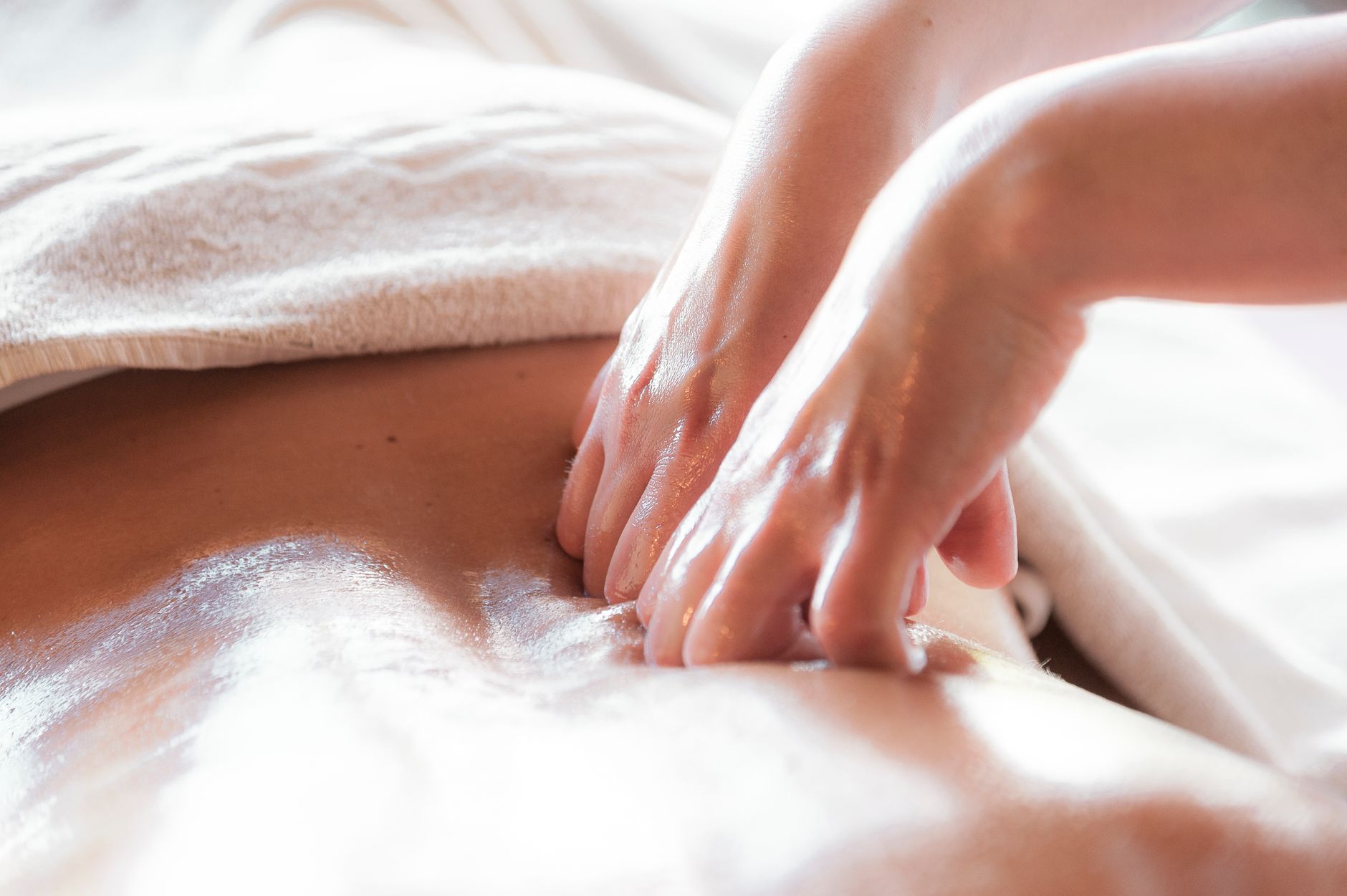

If you're experiencing chronic muscle pain, stiffness, or recovering from an injury in Greenville, Michigan, a deep tissue massage could be the therapeutic solution you need. This specialized form of bodywork targets the deeper layers of muscle and connective tissue, offering profound relief and promoting lasting well-being.
Quick answer: Deep tissue massage in Greenville, MI, is a therapeutic technique that uses slow, sustained pressure and deep strokes to target inner muscle layers and connective tissues, relieving chronic pain, improving mobility, and aiding in injury recovery by breaking down scar tissue and reducing tension.
Key Takeaways
- Deep tissue massage specifically addresses chronic muscle pain, stiffness, and musculoskeletal issues.
- It employs slow, firm pressure to reach deeper muscle layers, distinguishing it from gentler Swedish massage.
- Benefits include improved mobility, reduced pain, stress relief, and enhanced injury recovery.
- While some post-massage soreness is common, it should not be agonizing, and communication with your therapist is key.
- Individuals with certain medical conditions, like blood clots or recent surgery, should consult a doctor before receiving a deep tissue massage.
What is Deep Tissue Massage?

Deep tissue massage is a therapeutic technique primarily designed to treat musculoskeletal issues such as strains and sports injuries. It involves sustained pressure with slow, deep strokes that target the inner layers of your muscles and connective tissues, also known as fascia. The primary goal is to break up scar tissue that forms following an injury and to reduce muscle tension, which can be chronic and debilitating.
Unlike more superficial massage styles, deep tissue work focuses on realigning deeper layers of muscles and connective tissue. By applying pressure to these areas, a licensed massage therapist can help release chronic patterns of tension in the body, which often contribute to persistent pain and restricted movement.
What Are the Benefits of Deep Tissue Massage?
The therapeutic advantages of deep tissue massage extend beyond simple relaxation, offering significant physical and mental health improvements. By working on deeper muscle layers, this technique provides comprehensive relief and promotes healing.
- Relieves Chronic Muscle Pain and Stiffness: Deep tissue massage directly addresses the root causes of persistent pain, such as muscle knots and adhesions, leading to significant and lasting relief.
- Improves Mobility and Flexibility: By breaking up scar tissue and adhesions, the massage helps restore the natural elasticity of muscles and connective tissues, enhancing your range of motion.
- Aids in Rehabilitation and Injury Recovery: Increased blood flow and oxygen to injured muscles accelerate the healing process and support tissue repair, making it beneficial for sports injuries and post-surgery recovery.
- Reduces Stress and Anxiety: Though intense, the release of deep-seated tension can lead to a profound sense of relaxation, potentially lowering cortisol levels and increasing oxytocin, as suggested by various wellness studies.
- May Lower Blood Pressure: Some research indicates that regular massage, including deep tissue, can contribute to lower blood pressure and improved circulation.
- Can Improve Sleep Quality: By alleviating pain and reducing stress, deep tissue massage often helps individuals achieve more restful and restorative sleep.
- May Strengthen Immune Response: Increased lymphatic circulation and white blood cell count after massage sessions have been observed, suggesting a potential boost to the immune system.
How Is Deep Tissue Massage Different from Swedish Massage?
While both deep tissue and Swedish massage are popular therapeutic modalities, they differ significantly in their approach, pressure, and primary objectives. Understanding these distinctions helps you choose the right massage for your needs.
| Feature | Deep Tissue Massage | Swedish Massage |
|---|---|---|
| Primary Goal | Treat chronic muscle pain, stiffness, and injuries; break up scar tissue. | General relaxation, stress reduction, improved circulation. |
| Pressure | Forceful, sustained, slow, and deep pressure. | Generally gentler, moderate pressure. |
| Techniques | Slow strokes, friction, deep finger pressure, elbow, forearm. Targets specific problem areas. | Long, flowing strokes, kneading, tapping, circular movements. |
| Target Layers | Deeper layers of muscle and connective tissue. | Superficial muscle layers. |
| Sensation | Can be intense or slightly uncomfortable, often followed by relief. | Relaxing, soothing, comfortable. |
| Common Uses | Chronic pain, sports injuries, limited mobility, postural problems. | Stress relief, general relaxation, mild muscle tension. |
Ultimately, Swedish massage is often chosen for overall relaxation and general stress relief, while deep tissue massage is specifically sought out for its therapeutic benefits in addressing chronic pain and injury recovery. Healthy Balance Bodyworks offers both Greenville Therapeutic Massage and Greenville Relaxation Massage options to suit diverse needs.
What Can I Expect During a Deep Tissue Massage Session?
A deep tissue massage session at Healthy Balance Bodyworks is tailored to your specific needs, focusing on areas of tension and discomfort. Here’s what you can generally expect:
- Consultation: Your session will likely begin with a brief consultation where you discuss your areas of concern, pain levels, and medical history with your licensed massage therapist. This helps them customize the treatment.
- Techniques: Your therapist will use slow, deliberate strokes and firm pressure, often applying direct pressure or friction across the grain of the muscle. They may use their knuckles, elbows, forearms, and even thumbs to reach deeper tissues.
- Sensation: While the pressure is firm and can sometimes feel intense, it should not be agonizing. You might feel some discomfort as the therapist works on "knots" or adhesions, but many describe it as a "good pain" or a sensation of release. Always communicate with your therapist if the pressure is too much.
- Targeted Areas: The session will focus on specific problem areas identified during your consultation, rather than a full-body, generalized approach. Common areas include the neck, shoulders, back, glutes, and legs, often related to Greenville Sports Massage & Injury Recovery needs.
- Post-Massage Care: It is common to experience some mild soreness for a day or two after a deep tissue massage, similar to the feeling after a strenuous workout. This is often due to the movement of lactic acid and the release of metabolic waste products. Drinking plenty of water, applying heat or ice, and gentle stretching can help alleviate this.
Deep Tissue Massage Cost in Greenville, Michigan
The cost of deep tissue massage in Greenville, MI, can vary based on the duration of the session, the specific wellness center, and whether you are a member of a wellness program. While specific pricing for Greenville, MI, is best obtained by contacting local providers directly, we can look at typical ranges and examples from other areas to provide a general idea.
Across the industry, average hourly rates for deep tissue massage typically range from $80 to $120. For context, in Greenville, SC, specific examples of pricing include:
- 60-minute sessions often range from $70 to $155.
- 90-minute sessions can range from $100 to $195.
- Membership programs at some larger chains may offer reduced rates, often around $79 for a 60-minute session.
At Healthy Balance Bodyworks in Greenville, Michigan, we offer competitive pricing for our high-quality deep tissue massage services. We encourage you to contact us directly or visit our website for the most accurate and current rates for our various massage and specialized bodywork offerings.
Who Should Consider Deep Tissue Massage?
Deep tissue massage is particularly beneficial for individuals dealing with chronic pain or specific musculoskeletal issues. It's an excellent option for:
- Athletes: Those engaged in sports or intense physical activity often benefit from deep tissue massage for recovery, injury prevention, and addressing specific sports injuries.
- Individuals with Chronic Pain: If you suffer from persistent low back pain, stiff necks, tight shoulders, or other areas of chronic discomfort, deep tissue massage can provide significant relief.
- People with Postural Problems: Habitual poor posture can lead to muscle imbalances and tension. Deep tissue massage helps release these deep-seated tensions.
- Those Recovering from Injuries: It aids in the rehabilitation of injuries like whiplash, sciatica, piriformis syndrome, fibromyalgia, and tennis elbow by breaking down scar tissue and improving tissue mobility.
- Stress Sufferers: While often intense, the release of physical tension can lead to profound mental and emotional relaxation, making it a valuable part of a stress management routine.
When to Avoid Deep Tissue Massage
While highly beneficial for many, deep tissue massage is not suitable for everyone. Certain conditions warrant caution or complete avoidance. It is crucial to consult your doctor before receiving a deep tissue massage if you have any of the following:
- Blood Clot Issues: A history of blood clots, deep vein thrombosis (DVT), bleeding disorders like hemophilia, or if you are taking anticoagulant medications (blood thinners).
- Skin Conditions: Active infections, open wounds, burns, severe rashes (e.g., eczema, psoriasis), or infectious skin conditions in the area to be massaged.
- Recent Injuries or Surgeries: Acute injuries such as sprains, strains, fractures, or recent surgeries. Massage should only be performed after sufficient healing and with medical clearance.
- Bone Conditions: Severe osteoporosis or extremely fragile bones, as the deep pressure could cause injury.
- Pregnancy Concerns: High-risk pregnancy or specific pregnancy complications (e.g., preeclampsia, gestational diabetes). Always consult your obstetrician.
- Chronic Illnesses: Uncontrolled diabetes or circulation issues.
- Cancer: Individuals undergoing cancer treatment or if cancer has spread to the bones, should seek medical advice.
- Systemic Illnesses: Fever or contagious illnesses.
- Localized Issues: Areas with localized inflammation, swelling, or varicose veins.
Always inform your massage therapist about your complete medical history and any current health concerns to ensure your safety and the effectiveness of the treatment.
Does Deep Tissue Massage Release Toxins?
The idea that deep tissue massage "releases toxins" is a common misconception. While massage can make you feel better and aid in various bodily functions, there is little scientific evidence to support the claim that it directly releases harmful toxins from the body. The human body has highly efficient organs, such as the liver and kidneys, specifically designed for detoxification.
What massage does do effectively is promote circulation, reduce muscle soreness by helping to move lactic acid, and assist in the movement of lymphatic fluid, which plays a role in the immune system. This improved circulation and lymphatic flow can contribute to a general feeling of well-being and faster recovery from muscle fatigue, but it's not a direct "detoxification" in the way some might imagine.
Is Deep Tissue Massage Painful?
Deep tissue massage can be intense and, at times, uncomfortable, especially when the therapist is working on areas with significant muscle knots or adhesions. However, it should not be agonizing or cause sharp, unbearable pain. Many clients describe the sensation as a "good pain" or a feeling of deep pressure and release.
Your comfort is paramount. A skilled and licensed massage therapist, like those at Healthy Balance Bodyworks, will always encourage you to communicate about the pressure level. If you feel too much pain, speak up immediately so the therapist can adjust their technique. Some soreness for a day or two after the session is normal, similar to post-exercise muscle fatigue, but severe or persistent pain is not typical.
How Often Should I Get a Deep Tissue Massage?
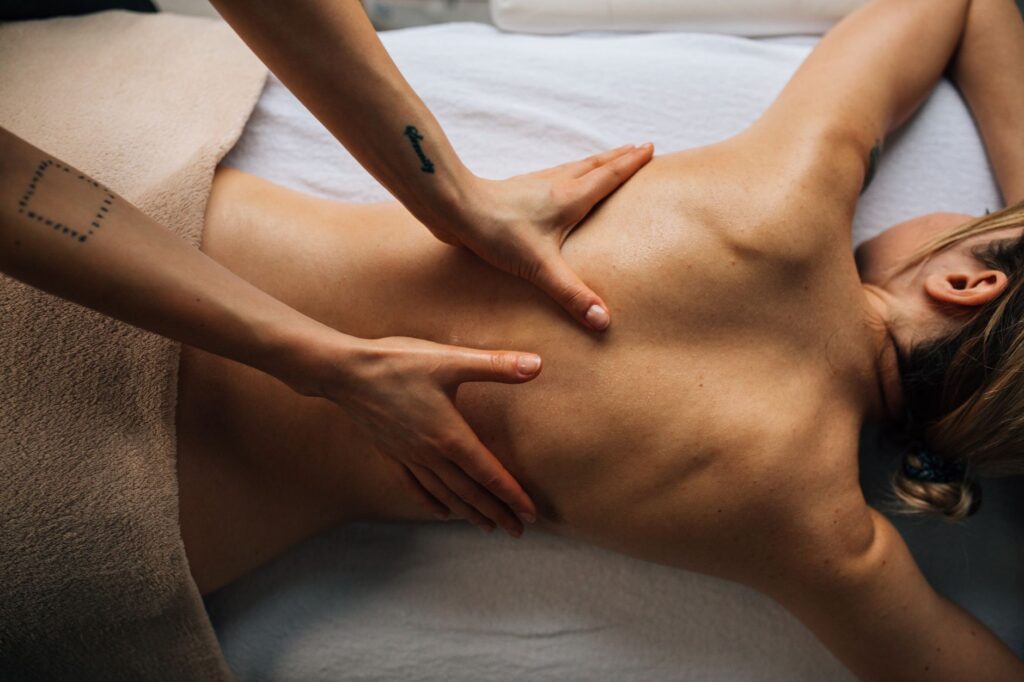
The ideal frequency for deep tissue massage depends heavily on your individual needs, the severity of your condition, and your overall health goals. For acute issues or chronic pain management, a therapist might recommend more frequent sessions initially, perhaps once a week or every two weeks, to break through stubborn tension and facilitate healing.
Once your condition improves, maintenance sessions can be scheduled less frequently, perhaps once a month or every six weeks, to sustain the benefits and prevent recurrence of pain. For general well-being and stress reduction, many individuals find a monthly deep tissue massage to be highly beneficial. Always discuss your specific situation with your massage therapist, as they can provide personalized recommendations based on your body's response and progress.
What Conditions Does Deep Tissue Massage Help With?
Deep tissue massage is a highly effective treatment for a variety of specific musculoskeletal conditions and chronic pain issues. Its ability to target the deeper layers of muscle and connective tissue makes it particularly beneficial for:
- Chronic Low Back Pain: Often compared to NSAIDs in effectiveness for reducing chronic low back pain, deep tissue massage can significantly alleviate discomfort and improve function.
- Sports Injuries: From hamstring strains to rotator cuff issues, it aids in the recovery and rehabilitation of various athletic injuries, improving tissue repair and flexibility. Healthy Balance Bodyworks offers Greenville Specialized Bodywork for athletes and active individuals.
- Fibromyalgia: While gentle approaches are often preferred for fibromyalgia, some individuals find carefully applied deep tissue techniques can help release trigger points and reduce widespread pain.
- Plantar Fasciitis: By addressing tension in the calf muscles and fascia of the foot, deep tissue massage can help reduce the pain associated with plantar fasciitis.
- Sciatica: Releasing tension in the gluteal muscles and piriformis can alleviate pressure on the sciatic nerve, reducing radiating pain.
- Tennis Elbow (Lateral Epicondylitis): Targeting the forearm muscles and tendons can reduce inflammation and improve function in cases of tennis elbow.
- Postural Problems: Addressing chronic tension patterns in the neck, shoulders, and back can help correct postural imbalances.
- High Blood Pressure: While not a primary treatment, some studies suggest that regular therapeutic massage can contribute to lower blood pressure.
By addressing the underlying muscular and fascial restrictions, deep tissue massage provides comprehensive relief and promotes long-term healing for these and many other conditions.
Why Choose Healthy Balance Bodyworks for Your Deep Tissue Massage in Greenville, MI?
At Healthy Balance Bodyworks in Greenville, Michigan, we are dedicated to providing expert therapeutic massage services tailored to your unique needs. Tyler, one of our owners, brings 12 years of experience to the practice. Together, Tyler and Alyssa, who own Healthy Balance Bodyworks, have years of experience in the massage and stretch therapy industry.
Our goal is to help others feel relaxed and rejuvenated throughout the process, whether you're seeking relief from chronic pain, recovering from an injury, or simply aiming for overall well-being. Healthy Balance Bodyworks has been a trusted part of the Greenville community since the early 2000s, originally started by Melany, and now proudly owned and operated by her daughter Alyssa and son-in-law Tyler.
We offer a diverse range of services beyond deep tissue massage, including Hot Stones, Stretch Therapy, and Head Spa experiences, ensuring a holistic approach to your health. When you choose Healthy Balance Bodyworks, you're choosing experienced professionals committed to helping you achieve your healthy balance.
Frequently Asked Questions
Is deep tissue massage good for anxiety?
Yes, deep tissue massage can be beneficial for anxiety. While its primary focus is physical, the release of chronic muscle tension and the calming effect of therapeutic touch can significantly reduce stress hormones like cortisol and promote a sense of relaxation, contributing to improved mental well-being.
How long does deep tissue massage last?
Deep tissue massage sessions typically last between 60 to 90 minutes. Shorter sessions (30-45 minutes) may be available for highly localized issues, while longer sessions (90-120 minutes) allow for more extensive work on multiple problem areas or deeper relaxation.
Should I drink water after deep tissue massage?
Yes, it is highly recommended to drink plenty of water after a deep tissue massage. Hydration helps your body flush out metabolic byproducts that may have been released from your muscles during the massage, which can help reduce post-massage soreness and aid in recovery.
Can deep tissue massage cause bruising?
While not common with a skilled therapist, mild bruising can occasionally occur, especially in areas where there was significant tension or adhesion, or if you are particularly sensitive or prone to bruising. A good therapist will work within your comfort level to minimize this risk, but it's important to communicate any discomfort.
What should I wear to a deep tissue massage?
For a deep tissue massage, you will typically undress to your comfort level and be draped with a sheet or towel by your therapist. Wear comfortable, loose-fitting clothing to your appointment that is easy to change in and out of. Your therapist will only uncover the area being worked on.
Is deep tissue massage good for headaches?
Deep tissue massage can be very effective for certain types of headaches, particularly tension headaches and migraines stemming from muscle tension in the neck, shoulders, and upper back. By releasing these deep-seated tensions, blood flow improves, and pressure on nerves may be alleviated, reducing headache frequency and intensity.