
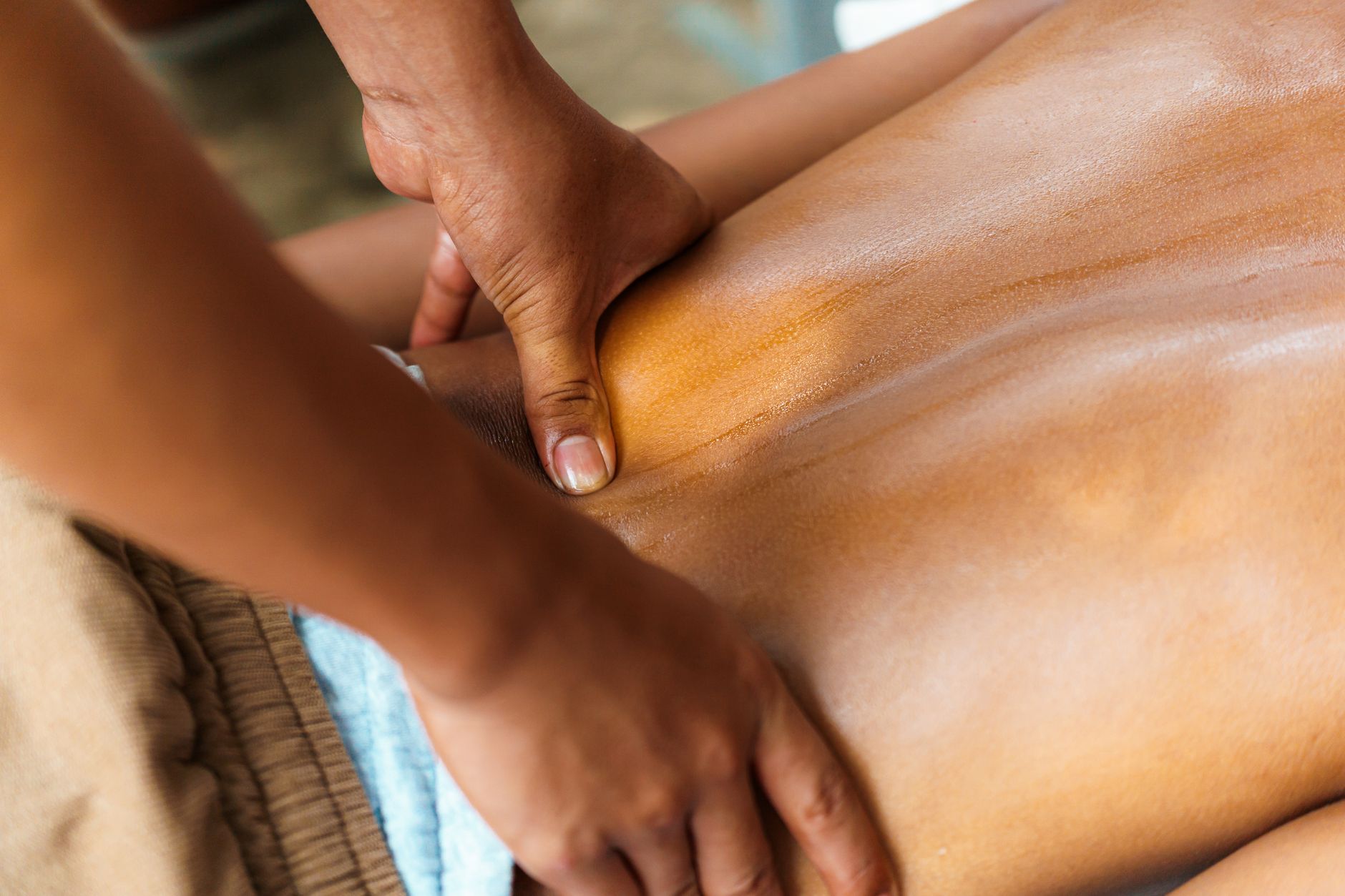

Understanding what to expect during a deep tissue massage in Greenville is key to preparing for this effective therapeutic treatment. Whether you're seeking relief from chronic pain or addressing specific muscle tension, knowing the process can enhance your experience and outcomes.
Quick answer: A deep tissue massage in Greenville typically involves sustained pressure and slow, deep strokes targeting inner muscle layers and fascia to release chronic tension and alleviate pain. You can expect a personalized session, potential mild soreness afterward, and significant relief from muscle stiffness and discomfort.
Key Takeaways
- Deep tissue massage focuses on releasing chronic muscle tension and knots in deeper tissue layers.
- Benefits include pain relief, improved flexibility, reduced inflammation, and better posture.
- Mild soreness for 24-48 hours post-massage is normal, similar to post-workout sensations.
- Hydration, rest, and Epsom salt baths are recommended aftercare for optimal recovery.
- Communicate openly with your therapist about pressure and discomfort for a tailored experience.
What is a Deep Tissue Massage?

A deep tissue massage is a specialized therapeutic technique designed to address chronic muscle tension and pain by targeting the deeper layers of muscle and connective tissue, known as fascia. Unlike lighter forms of massage, this method employs sustained pressure and slow, deliberate strokes to reach areas of significant stiffness and adhesions.
During a deep tissue session, therapists utilize various techniques, including slower, deeper strokes, friction applied across the grain of muscle fibers, stripping along the muscle fibers, and compression on specific trigger points. Tools such as forearms, elbows, knuckles, and thumbs are often employed to achieve the necessary depth and precision, effectively breaking down scar tissue and improving muscle function.
What Are the Benefits of Deep Tissue Massage?
Deep tissue massage offers a wide array of therapeutic benefits, making it a popular choice for individuals experiencing persistent muscle issues. One of its primary advantages is significant chronic pain relief, particularly for common ailments such as stiff necks, lower back pain, and sore shoulders. By working on deeper muscle layers, the therapy helps to alleviate the root causes of discomfort.
Beyond pain relief, deep tissue massage is highly effective in breaking down scar tissue and adhesions, which can restrict movement and cause discomfort. This process leads to improved flexibility and an enhanced range of motion. Regular sessions can also contribute to improved posture by releasing tight muscles that pull the body out of alignment.
The therapy also boosts blood flow and circulation, which aids in reducing swelling and inflammation in affected areas. Furthermore, deep tissue massage has a positive impact on mental well-being; it can reduce stress hormone levels, lower heart rate, and promote a boosted mood through the release of feel-good hormones like oxytocin and serotonin.
Research supports these benefits. For instance, a 2014 study involving 59 participants indicated that deep tissue massage was effective in reducing chronic low back pain, showing comparable results to nonsteroidal anti-inflammatory drugs (NSAIDs) like ibuprofen. Another study in 2017 highlighted significant pain reduction in males diagnosed with ankylosing spondylitis following deep tissue massage therapy, underscoring its role in aiding recovery from specific conditions like sports injuries, fibromyalgia, plantar fasciitis, hypertension, sciatica, and tennis elbow.
What Should I Expect During a Deep Tissue Massage Session in Greenville?
When you arrive for a deep tissue massage in Greenville, your session will typically begin with a brief conversation with your therapist. This initial discussion is crucial for understanding your pain history, specific areas of concern, and overall therapeutic goals. This allows the therapist to customize the massage to your individual needs, ensuring the treatment is both effective and comfortable.
During the massage itself, you will lie on a massage table, usually draped to ensure your privacy while allowing access to the areas being worked on. The therapist will apply sustained pressure using various techniques, often employing their forearms, elbows, and thumbs to reach deeper muscle layers. It's common to experience intense sensations during the massage, but it should not be excruciatingly painful. Open communication with your therapist is essential; always inform them if the pressure is too intense or if you feel discomfort, so they can adjust their technique accordingly.
Does Deep Tissue Massage Hurt, and Is Soreness Normal Afterward?
It's a common misconception that deep tissue massage must be painful to be effective. While you might experience some discomfort or intensity as the therapist works on tight muscles and knots, it should not be an unbearable or sharp pain. The sensation is often described as a "good hurt" – a feeling of release and relief as tension dissipates.
Yes, mild to moderate soreness after a deep tissue massage is quite normal and a common part of the healing process. This sensation is often likened to the feeling you get after an intense workout, as the muscles have been deeply worked and released. This post-massage soreness typically lasts for 24 to 48 hours, though some individuals might experience it for up to three days.
In some cases, minor bruising (ecchymosis) can occur due to ruptured capillaries in the treated areas. While not universal, this is generally considered a normal part of the healing and tissue release process for deep tissue work.
How Long Does Soreness Last After a Deep Tissue Massage?
As noted, the soreness following a deep tissue massage is a temporary and expected response as your body adjusts and heals. Most individuals report that this mild to moderate soreness subsides within 24 to 48 hours after their session. In some instances, particularly if you have significant chronic tension or are new to deep tissue work, the soreness might linger for up to three days.
During this period, you might also experience other temporary sensations such as fatigue, dizziness, or mild nausea. These can occur as your body releases stored toxins and shifts into a more relaxed state. Headaches are also possible, often attributed to the release of deep-seated tension or a need for increased hydration. These effects are usually transient and resolve quickly with proper aftercare.
What Should I Do After a Deep Tissue Massage for the Best Results?
To maximize the benefits of your deep tissue massage and minimize post-session soreness, several aftercare steps are highly recommended. The most crucial is hydration: drinking plenty of water helps flush out metabolic waste products released from your muscles during the massage, aiding in recovery and reducing potential discomfort.
Rest is also vital. Allow your body time to integrate the changes from the massage. Avoid strenuous activities immediately after your session. Taking an Epsom salt bath can be very beneficial, as the magnesium in Epsom salts helps to relax muscles and further reduce soreness. Additionally, applying ice to any particularly sore areas can help manage localized inflammation and discomfort.
Are There Any Side Effects or Risks Associated with Deep Tissue Massage?
While generally safe and highly beneficial, deep tissue massage does have potential side effects and risks, particularly if not performed by a qualified therapist or if certain health conditions are present. As discussed, common and usually temporary side effects include post-massage soreness, fatigue, mild nausea, headaches, and in some cases, minor bruising.
More significant risks are rare but can include nerve damage or muscle injury if excessive pressure is applied incorrectly. This underscores the importance of seeking a certified and experienced massage therapist, especially for deep tissue work. Always disclose your full medical history to your therapist to ensure a safe and effective treatment plan.
Who Should Avoid Deep Tissue Massage or Consult a Doctor First?
Deep tissue massage is not suitable for everyone, and certain medical conditions warrant caution or complete avoidance. It is crucial to consult a doctor before undergoing deep tissue massage if you have any of the following:
- Blood Clots: Deep tissue massage can dislodge blood clots, leading to serious medical emergencies.
- Bleeding Disorders: Conditions like hemophilia or taking blood-thinning medications (anticoagulants) increase the risk of bruising and bleeding.
- Osteoporosis: The deep pressure could potentially cause fractures in individuals with fragile bones.
- Cancer: Especially if undergoing chemotherapy or radiation, or if there are tumors, as massage could potentially spread cancer cells or exacerbate symptoms.
- Recent Surgery or Injuries: Deep tissue work should be avoided directly over recent surgical sites, fractures, or acute injuries without medical clearance.
- Pregnancy: While some massage is safe, deep tissue massage, especially in certain areas, may not be advisable. Always consult with your doctor and a therapist specializing in prenatal massage.
- Skin Conditions: Avoid massage over open wounds, infections, rashes, or areas of severe inflammation.
Always have an open and honest conversation with your healthcare provider and your massage therapist about your complete health history before starting any new treatment.
How Does Deep Tissue Massage Compare to Swedish Massage?
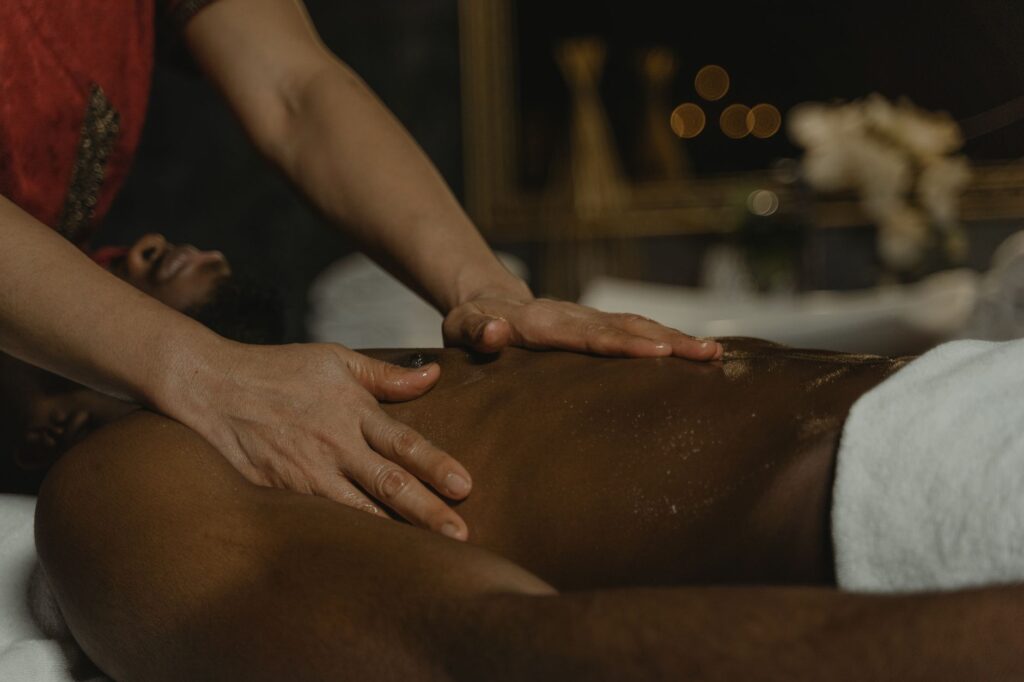
Deep tissue and Swedish massage are both popular forms of therapeutic bodywork, but they differ significantly in their approach, pressure, and primary objectives. Understanding these distinctions can help you choose the most appropriate treatment for your needs.
| Feature | Deep Tissue Massage | Swedish Massage |
|---|---|---|
| Primary Goal | Release chronic muscle tension, break down scar tissue, address knots and adhesions, pain relief. | Relaxation, stress reduction, improved circulation, general muscle tension relief. |
| Pressure | Uses sustained, firm to deep pressure. Targets deeper layers of muscle and fascia. | Uses light to medium pressure. Focuses on the superficial layers of muscle. |
| Techniques | Slow, deliberate strokes; friction; stripping; compression with elbows, forearms, thumbs. | Long, gliding strokes (effleurage); kneading (petrissage); tapping (tapotement); friction; vibration. |
| Focus Areas | Specific problem areas, chronic knots, stiff necks, lower back, shoulders, hamstrings. | Full body massage for overall relaxation, general muscle soreness. |
| Post-Massage Feeling | Potential for mild to moderate soreness (24-72 hours), feeling of release and increased mobility. | Relaxed, refreshed, reduced stress, light muscle relaxation. |
While Swedish massage is excellent for general relaxation and improving overall circulation, deep tissue massage is specifically designed for therapeutic intervention against persistent pain and chronic muscle issues. For those seeking targeted relief for conditions like deep tissue massage for shoulder pain in Greenville, deep tissue massage is often the preferred choice.
How Do I Find a Qualified Deep Tissue Massage Therapist in Greenville?
Finding a qualified deep tissue massage therapist in Greenville, MI, is crucial for ensuring a safe and effective treatment. Start by looking for therapists who are licensed and certified, as this indicates they have met professional standards for training and practice. Many wellness centers in the Greenville area, including Healthy Balance Bodyworks, offer deep tissue massage services.
When searching, consider checking "deep tissue massage Greenville MI reviews" online to see what other clients have experienced. Look for therapists with specific experience and training in deep tissue techniques. Don't hesitate to call and ask about their approach, their experience with conditions similar to yours, and what their typical session entails. For those seeking the "best deep tissue massage near Greenville Michigan" or "affordable deep tissue massage Greenville MI," it’s beneficial to inquire about pricing and package options, as well as the therapist's credentials.
At Healthy Balance Bodyworks, owned and operated by Alyssa and Tyler, we bring years of experience in the massage and stretch therapy industry. Our goal is to help others feel relaxed and rejuvenated through a range of services, including deep tissue massage, hot stones, stretch therapy, and head spa experiences. Healthy Balance Bodyworks has been serving the community since the early 2000s, originally started by Melany, and now proudly continued by her daughter Alyssa and son-in-law Tyler.
Frequently Asked Questions
Is deep tissue massage good for lower back pain?
Yes, deep tissue massage is highly effective for lower back pain. It targets the deep layers of muscle and connective tissue in the lumbar region, helping to release chronic tension, break down adhesions, and improve flexibility, which can significantly alleviate persistent discomfort.
How often should I get a deep tissue massage?
The frequency of deep tissue massages depends on your individual needs, the severity of your condition, and your therapist's recommendations. For chronic pain or specific issues, weekly or bi-weekly sessions may be beneficial initially, transitioning to monthly maintenance once symptoms improve. Discuss your specific situation with your therapist.
Can deep tissue massage help with headaches?
Deep tissue massage can often help reduce the frequency and intensity of tension headaches and migraines by releasing chronic tension in the neck, shoulders, and upper back. By addressing muscle imbalances and trigger points in these areas, it can alleviate the muscular stress contributing to headaches.
Will deep tissue massage help with sciatica?
Yes, deep tissue massage can provide relief for sciatica by addressing muscle tightness in the glutes and piriformis muscle, which can sometimes compress the sciatic nerve. By releasing tension in these areas, it can reduce nerve irritation and alleviate pain radiating down the leg.
What should I wear to a deep tissue massage?
For a deep tissue massage, wear comfortable, loose-fitting clothing to your appointment. During the massage, you will be asked to undress to your comfort level and will be fully draped with a sheet or towel to ensure your privacy, with only the area being worked on exposed.
Can I exercise after a deep tissue massage?
It is generally recommended to avoid strenuous exercise immediately after a deep tissue massage. Your muscles have been deeply worked and need time to recover. Light activities like walking are fine, but high-intensity workouts should be postponed for at least 24 hours to allow your body to heal and integrate the therapeutic benefits.