

In Greenville, Michigan, individuals seeking advanced solutions for soft tissue pain and restricted movement often explore specialized bodywork techniques. Among these, the Graston Technique stands out as an evidence-based method designed to address chronic pain, improve function, and accelerate recovery from various musculoskeletal conditions.
Quick answer: The Graston Technique is an advanced form of instrument-assisted soft tissue mobilization (IASTM) that uses specially designed stainless steel tools to detect and treat areas of scar tissue or fascial restrictions in muscles, tendons, and ligaments. It aims to reduce pain, restore normal function, and improve range of motion, offering a targeted therapeutic approach for residents in Greenville, Michigan, and surrounding areas.
Key Takeaways
- The Graston Technique is an instrument-assisted therapy for soft tissue injuries and fascial restrictions.
- It helps break down scar tissue, reduce inflammation, and promote healing in affected areas.
- Benefits include decreased pain, increased range of motion, and improved function.
- Commonly treats conditions like tendinitis, sprains, strains, and chronic back or neck pain.
- Sessions involve assessment, instrument application, and often include stretching and strengthening exercises.
What is the Graston Technique and How Does It Work?
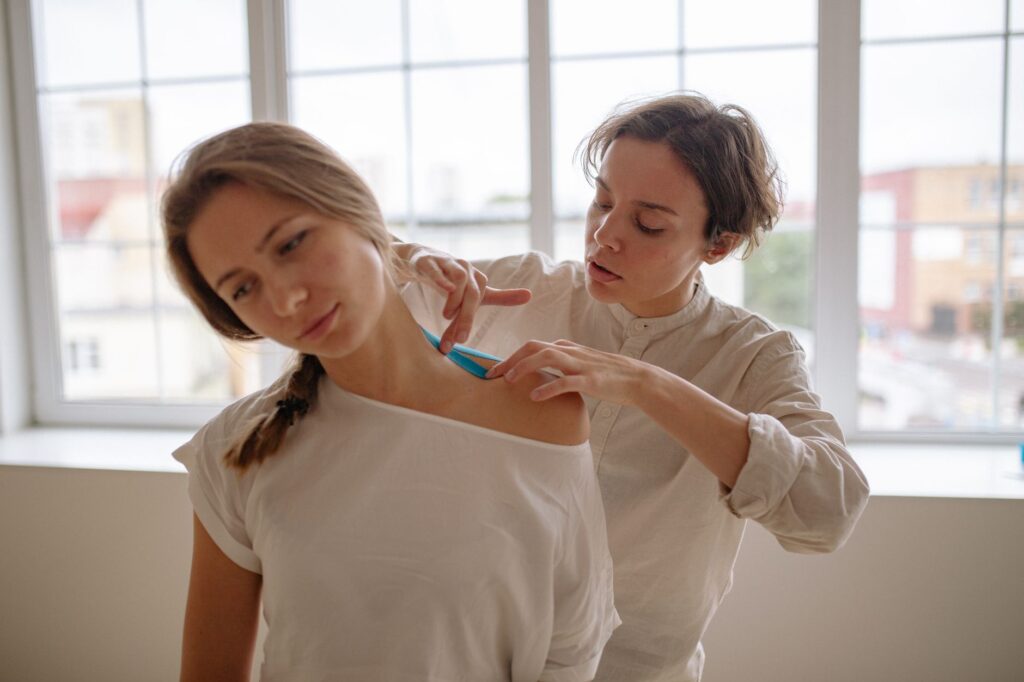
The Graston Technique is a patented form of instrument-assisted soft tissue mobilization (IASTM) that employs unique stainless steel instruments to effectively detect and treat areas exhibiting soft tissue fibrosis or chronic inflammation. Developed in the 1990s, this technique is widely used by chiropractors, physical therapists, occupational therapists, and licensed massage therapists to address a range of musculoskeletal issues. It is a specialized form of bodywork designed to help the body heal naturally.
The core principle behind the Graston Technique involves the use of specialized tools to apply controlled pressure and friction to the affected tissues. These ergonomically designed instruments allow practitioners to locate and treat scar tissue, fascial restrictions, and adhesions that might be limiting movement or causing pain. The tools enhance the practitioner's ability to identify adhesions and restrictions not readily detected by the human hand, providing a more precise and targeted treatment.
When scar tissue forms due to injury, surgery, or chronic inflammation, it can create a disorganized matrix of collagen fibers, leading to pain, stiffness, and reduced flexibility. The Graston tools work by essentially "scraping" or "sweeping" over the skin to break up these adhesions and reorganize the tissue. This controlled microtrauma stimulates a local inflammatory response, which then initiates a healing cascade, encouraging the body to replace damaged tissue with healthy, functional tissue. This process helps to improve blood flow, reduce muscle spasm, and promote better cellular activity in the treated area.
What are the Benefits of Graston Technique Therapy?
Graston Technique therapy offers a variety of benefits for individuals experiencing soft tissue dysfunction. The primary goal is to alleviate pain and restore optimal function, contributing significantly to a person's overall well-being and mobility. Many clients in Greenville seeking specialized bodywork find this technique particularly effective for persistent issues.
One of the most significant benefits is the **reduction of pain**. By addressing the underlying scar tissue and fascial restrictions, the technique helps to decrease nerve irritation and muscle tension, leading to a noticeable decrease in chronic and acute pain. Patients often report feeling immediate relief or a significant improvement in their comfort levels following treatment.
Another key advantage is the **improvement in range of motion and flexibility**. Adhesions and restricted fascia can significantly limit a joint's ability to move through its full range. The Graston Technique helps to break down these barriers, allowing for greater elasticity and mobility in muscles, tendons, and ligaments. This can be particularly beneficial for athletes or individuals recovering from injuries who need to regain full functional movement.
Furthermore, Graston Technique therapy can **accelerate the healing process**. By stimulating a controlled inflammatory response and increasing blood flow to the injured area, the technique encourages the body's natural regenerative processes. This can lead to faster recovery times from injuries compared to passive treatments alone. It also helps to convert chronic conditions into an acute inflammatory state, prompting the body to restart the healing cycle.
Other notable benefits include **reduced need for anti-inflammatory medication**, **improved athletic performance** due to better tissue extensibility, and the **potential to avoid more invasive procedures** like surgery by effectively managing soft tissue pathologies conservatively. These benefits align with the holistic approach to health often sought by those exploring services like craniosacral therapy Greenville MI or Neurostretch therapy Greenville, which also focus on enhancing the body's intrinsic healing capabilities.
What Conditions Can Be Treated with the Graston Technique?
The Graston Technique is highly versatile and effective in treating a wide array of acute and chronic musculoskeletal conditions that involve soft tissue dysfunction. Its targeted approach makes it suitable for various parts of the body, addressing issues that can arise from sports injuries, repetitive strain, or postural imbalances. For those in Greenville, Michigan, experiencing persistent pain or limited movement, Graston can be a valuable therapeutic option.
Common conditions successfully treated with the Graston Technique include:
- Tendinopathies: Such as Achilles tendinitis, rotator cuff tendinitis (shoulder pain), patellar tendinitis (jumper's knee), and tennis elbow (lateral epicondylitis) or golfer's elbow (medial epicondylitis).
- Neck Pain: Including cervical sprain/strain, whiplash, and conditions related to muscle tension and stiffness.
- Back Pain: Addressing chronic low back pain, muscle strains, and fascial restrictions in the lumbar and thoracic spine.
- Plantar Fasciitis: A common cause of heel pain, where the technique can help release tension in the plantar fascia.
- Carpal Tunnel Syndrome: By working on the soft tissues of the wrist and forearm to reduce compression on the median nerve.
- Shin Splints: Medial tibial stress syndrome, often caused by overuse and muscle imbalances.
- Fibromyalgia: While not a cure, it can help manage localized muscle pain and stiffness associated with the condition.
- Post-Surgical Scar Tissue: To help mobilize and improve the flexibility of scar tissue, especially after procedures where adhesions may form.
Beyond these, the technique is also applied to conditions like myofascial pain syndrome, various sprains and strains, and even some forms of headaches that originate from muscle tension in the neck and shoulders. It is often integrated into a broader treatment plan that might include other forms of massage therapy, stretch therapy, or manual lymphatic drainage Greenville MI (MLD) to optimize recovery and overall wellness.
What Should You Expect During a Graston Technique Session?
A Graston Technique session at a wellness center like Healthy Balance Bodyworks in Greenville, Michigan, typically follows a structured process designed to maximize therapeutic outcomes while ensuring client comfort. Understanding what to expect can help you prepare for your treatment.
The session usually begins with a thorough **assessment** by your practitioner. This includes a discussion of your medical history, current symptoms, and a physical examination to identify the specific areas of concern, assess range of motion, and pinpoint soft tissue restrictions. This initial evaluation is crucial for tailoring the treatment to your individual needs.
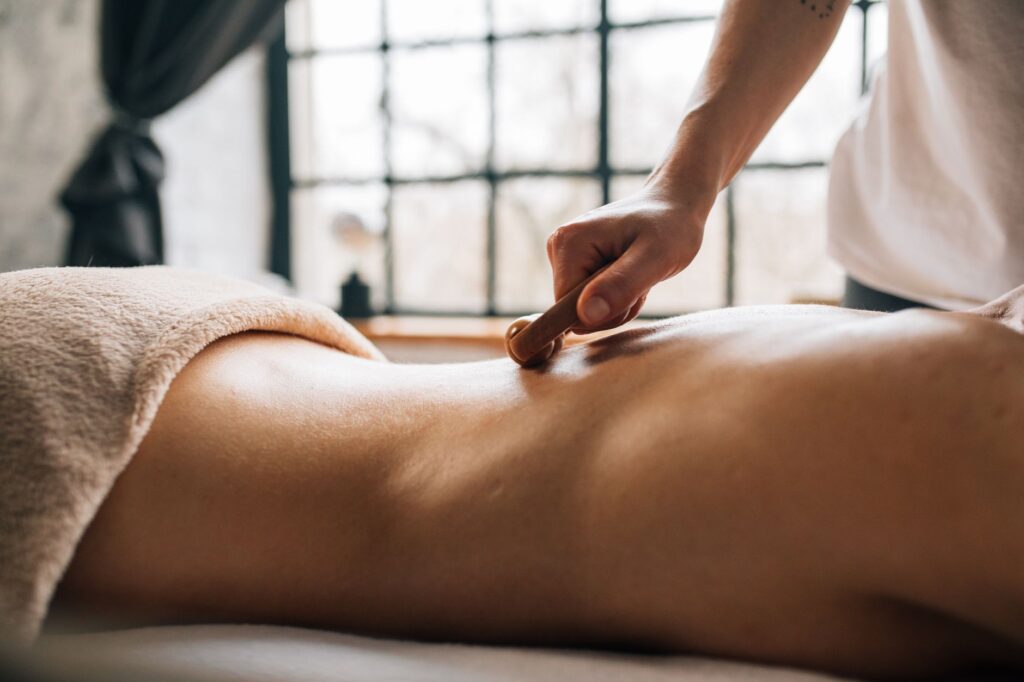
Next, the practitioner will apply a **lubricant** (such as a massage cream or oil) to the skin over the affected area. This allows the Graston instruments to glide smoothly over the skin without causing irritation. The practitioner will then begin to **apply the specialized stainless steel instruments** to the identified areas. Using various strokes and pressure, they will systematically scan the tissue to locate and treat adhesions and scar tissue. You might feel a "gritty" or "bumpy" sensation as the tools encounter restricted tissue, which indicates the presence of fascial adhesions or scar tissue. The pressure applied will be firm but adjusted to your comfort level.
It is common to experience some **discomfort** during the treatment, often described as a deep ache or a "good pain," similar to a deep tissue massage. The treated area may also show some **redness or petechiae** (small red dots) due immediately after the session, which is a normal response indicating increased blood flow and microtrauma to the tissue, signaling the start of the healing process. These typically resolve within a day or two.
Following the instrument application, the practitioner will often guide you through **stretching and strengthening exercises**. These post-treatment activities are vital for maintaining the newly gained range of motion and strengthening the affected muscles, helping to prevent recurrence of the condition. You will also receive guidance on at-home care, including hydration, activity modification, and exercises to perform between sessions.
The number of sessions required varies depending on the chronicity and severity of the condition, but many individuals experience significant improvement within 6-10 treatments. Graston Technique can also be a complementary therapy alongside services like a relaxing Greenville Head Spa session or other specialized massage treatments.
Why Choose Healthy Balance Bodyworks for Graston Technique in Greenville, Michigan?
When considering specialized bodywork like the Graston Technique in Greenville, Michigan, choosing a reputable and experienced provider is paramount. Healthy Balance Bodyworks offers a dedicated approach to wellness, integrating advanced therapies with a commitment to client comfort and effective results.
Tyler and Alyssa, owners of Healthy Balance Bodyworks, bring together years of experience in the massage and stretch therapy industry. Their goal is to help others feel relaxed and rejuvenated throughout the process, ensuring a comprehensive and client-centered experience. Healthy Balance Bodyworks has been a part of the Greenville community since the early 2000s, originally started by Melany, and now proudly owned and operated by Alyssa and Tyler. This legacy of care is built on a foundation of trust and expertise.
At Healthy Balance Bodyworks, the Graston Technique is administered by skilled practitioners who understand the nuances of soft tissue mobilization. They combine this targeted therapy with a holistic view of your health, ensuring that your treatment plan addresses not just the symptoms but also the underlying causes of your discomfort. This comprehensive approach is part of what makes our specialized bodywork Greenville services so effective.
Beyond the Graston Technique, Healthy Balance Bodyworks offers a diverse range of services designed to promote overall well-being. These include various massage therapies, hot stones, stretch therapy, and rejuvenating Head Spa experiences. This breadth of offerings means that your Graston Technique treatment can be seamlessly integrated with other beneficial therapies, creating a personalized wellness journey tailored to your specific needs and recovery goals. Our commitment to the benefits of specialized bodywork Greenville ensures that you receive the highest standard of care.
Frequently Asked Questions
Is Graston Technique painful?
While the Graston Technique can cause some discomfort, often described as a deep ache or "good pain," it is generally well-tolerated. Practitioners adjust pressure to your comfort level, and any post-treatment soreness or redness typically subsides within a day or two.
How many Graston sessions will I need?
The number of Graston Technique sessions varies based on the individual's condition, its severity, and how long it has been present. Many patients experience significant improvement within 6 to 10 treatments, often scheduled 1-2 times per week.
Can Graston Technique be combined with other therapies?
Yes, the Graston Technique is often combined with other therapeutic modalities such as traditional massage, stretch therapy, heat or cold therapy, and rehabilitative exercises to enhance recovery and achieve optimal results.
Who should avoid Graston Technique?
Individuals with certain conditions should avoid Graston Technique, including those with open wounds, unhealed fractures, severe osteoporosis, certain types of cancer, kidney dysfunction, or those taking blood-thinning medications. Always consult with a qualified practitioner to determine if it's appropriate for you.
What types of tools are used in Graston Technique?
Graston Technique utilizes six patented, ergonomically designed stainless steel instruments. Each tool has a specific shape and edge, allowing practitioners to effectively detect and treat fascial restrictions and scar tissue in various parts of the body.