
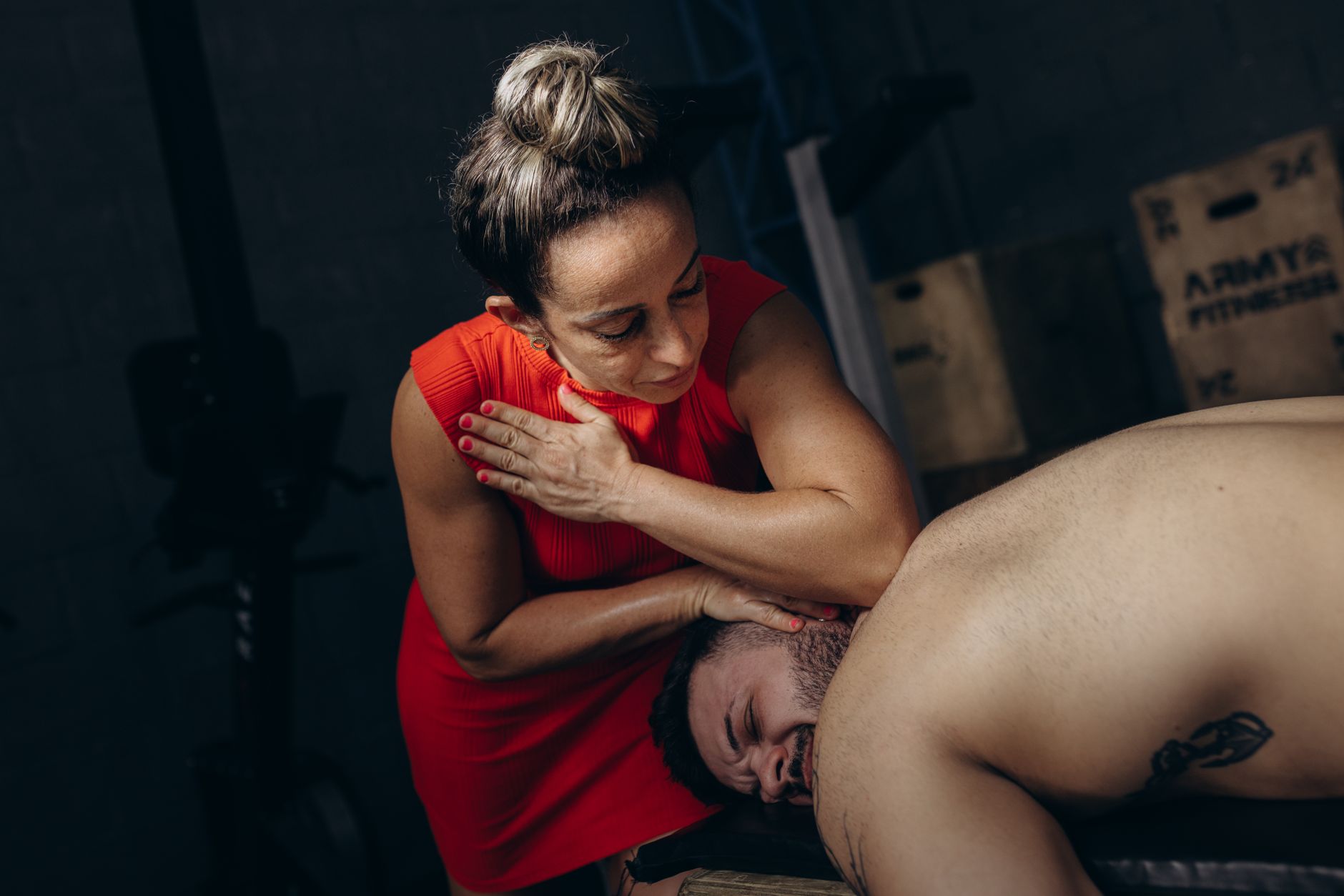

Shoulder pain can significantly impact daily life, limiting movement and making even simple tasks feel challenging. For residents of Greenville, MI, seeking effective and lasting relief, deep tissue massage offers a powerful therapeutic solution.
Quick answer: Deep tissue massage helps alleviate shoulder pain by targeting the deeper layers of muscle and connective tissue, releasing chronic tension, breaking down adhesions, and improving circulation. This specialized approach reduces stiffness, enhances range of motion, and addresses the root causes of discomfort, providing significant relief for various shoulder conditions.
Key Takeaways
- Deep tissue massage directly addresses chronic muscle tension, knots (trigger points), and scar tissue contributing to shoulder pain.
- The therapy enhances blood flow, promotes healing, and restores flexibility and range of motion in the shoulder joint.
- Specific techniques like stripping, friction, and myofascial release are employed to target deep muscle layers effectively.
- Understanding the causes of your shoulder pain, from overuse to specific conditions like rotator cuff issues, is crucial for personalized treatment.
- Consistent communication with your therapist about pain levels and sensations ensures a safe and effective deep tissue massage experience.
Understanding Shoulder Pain: Causes and Symptoms
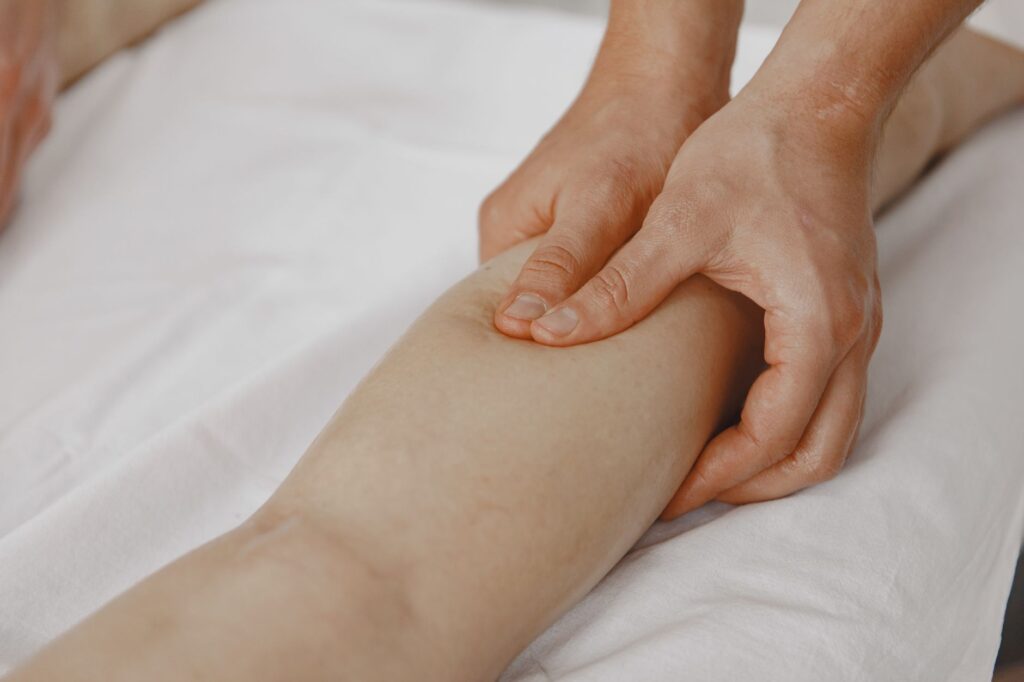
Shoulder pain is a common complaint affecting millions, often stemming from a variety of sources. It can range from a dull ache to sharp, debilitating discomfort, significantly limiting arm movement and overall function.
Common causes of shoulder pain include sports injuries, exercise strain, and everyday overuse from repetitive motions. Conditions like muscle strain, frozen shoulder (adhesive capsulitis), and rotator cuff tendinitis, bursitis, or even tears are frequent culprits. Arthritis, bone spurs, fractures, dislocations, and nerve injuries can also contribute to pain. Poor posture and the development of trigger points – tight, tender knots within muscles – are often underlying factors that deep tissue massage can effectively address.
What is Deep Tissue Massage and How Does It Help Shoulder Pain?
Deep tissue massage is a specialized therapeutic technique focused on reaching the deeper layers of muscle and connective tissue. It employs firm, targeted pressure and slow, controlled strokes to release chronic tension and alleviate discomfort.
For shoulder pain, this technique is particularly effective because it works to break up scar tissue and adhesions that can restrict movement and cause pain. By increasing blood flow and circulation to the affected area, deep tissue massage promotes healing and delivers essential nutrients to damaged tissues. This process ultimately reduces stiffness, improves flexibility, and helps restore the natural balance and biomechanics of the shoulder joint.
What Are the Benefits of Deep Tissue Massage for Shoulder Pain?
Deep tissue massage offers a wide array of benefits specifically tailored to individuals experiencing shoulder pain. Its therapeutic approach targets the core issues causing discomfort and restricted movement.
- Reduces Muscle Tension and Discomfort: The firm pressure helps to release chronic tension held deep within the shoulder muscles, providing significant pain relief.
- Increases Blood Flow and Circulation: Enhanced circulation delivers oxygen and nutrients to injured tissues, accelerating the healing process and reducing inflammation.
- Breaks Down Scar Tissue and Adhesions: Deep tissue techniques can effectively break up fibrous scar tissue and adhesions, which often form after injuries and limit range of motion.
- Reduces Stiffness and Improves Range of Motion: By addressing tight muscles and connective tissues, the massage restores flexibility and allows for greater, pain-free movement in the shoulder.
- Alleviates Trigger Points: Targeted pressure on muscle knots, known as trigger points, helps to deactivate them, reducing referred pain and muscle tightness.
- Supports Sports Recovery: For athletes, deep tissue massage aids in recovery from intense training and helps prevent future flare-ups and injuries by keeping muscles supple.
- Improves Posture and Muscle Biomechanics: By releasing tension and restoring balance, the therapy can correct postural imbalances that contribute to shoulder pain.
- Relieves Chronic Pain: Consistent deep tissue massage can provide long-term relief for chronic shoulder conditions, improving overall quality of life.
What Specific Deep Tissue Massage Techniques Are Used for Shoulder Pain?
Deep tissue massage utilizes a range of specific techniques designed to penetrate muscle layers and address the complexities of shoulder pain effectively. These methods are applied with precision and varying degrees of pressure.
Therapists commonly use firm, slow strokes that glide along the muscle fibers, known as stripping, to elongate and release deeply held tension. Friction techniques involve applying pressure across the grain of the muscle to break down adhesions and scar tissue. Trigger point therapy is a focused technique where sustained pressure is applied to specific muscle knots to encourage their release. Additionally, therapists may use their elbows, knuckles, and thumbs to access deeper tissues, and myofascial release techniques may be incorporated to stretch and unbind the fascia surrounding muscles.
Can Deep Tissue Massage Help with Specific Shoulder Conditions?
Yes, deep tissue massage can be highly beneficial for a variety of specific shoulder conditions, especially those involving muscle and connective tissue dysfunction. Its targeted approach helps address the underlying issues of several common ailments.
For conditions like rotator cuff injuries (tendinitis, bursitis, or minor tears), deep tissue massage can help reduce inflammation, break down scar tissue, and improve the flexibility of the surrounding muscles, supporting the healing process and restoring function. In cases of frozen shoulder (adhesive capsulitis), while it cannot cure the condition alone, deep tissue massage can significantly improve range of motion and reduce pain by working on the tight muscles and connective tissues around the joint. It can also be effective for chronic muscle strains, impingement syndrome, and general stiffness often associated with overuse or poor posture.
What Should I Expect During a Deep Tissue Massage Session for Shoulder Pain?
A deep tissue massage session for shoulder pain in Greenville, MI, is designed to be a personalized and therapeutic experience. Knowing what to expect can help you prepare and feel more comfortable.
Your session will typically begin with an initial discussion with your therapist, where you'll describe your shoulder pain, its history, and your specific goals for the massage. You will likely sign a consent form, ensuring you understand the process. The therapist will then warm up your muscles with lighter strokes before applying firmer, more targeted pressure to the deeper tissues. It's important to communicate your pain levels throughout the session; while some discomfort is normal as knots are released, it should never be unbearable. Deep breathing is often encouraged to help relax muscles and manage any intense sensations. Tyler and Alyssa, with their years of experience, ensure a professional and attentive session, focusing on your comfort and therapeutic needs.
How Often Should I Get Deep Tissue Massage for Shoulder Pain Relief?
The ideal frequency for deep tissue massage for shoulder pain relief varies significantly depending on the severity of your pain, your activity level, and your specific treatment goals. Your therapist will help create a personalized plan.
For acute or severe shoulder pain, initial weekly sessions might be recommended to effectively address the underlying issues and initiate the healing process. As your condition improves, sessions can be spaced out to every 2-4 weeks for maintenance and to prevent recurrence. Individuals experiencing chronic pain may benefit from 1-2 initial treatments, followed by ongoing sessions every 3-4 weeks. Athletes, especially during intense training periods, might find weekly or bi-weekly sessions beneficial for recovery and injury prevention. Tyler, with his 12 years of experience, understands the nuances of crafting effective treatment schedules for lasting relief.
Choosing the Right Deep Tissue Massage Therapist in Greenville, MI
Selecting a qualified and experienced deep tissue massage therapist is crucial for effective and safe treatment of shoulder pain. In Greenville, MI, you want a professional who understands the specific needs of therapeutic bodywork.
Look for therapists who are licensed and have specific training and experience in deep tissue techniques for pain relief. A reputable therapist will conduct a thorough initial assessment to understand the cause of your shoulder pain and develop a personalized treatment plan tailored to your unique situation. They should emphasize clear communication throughout the session and prioritize your comfort. Healthy Balance Bodyworks, owned and operated by Alyssa and Tyler, offers years of experience in the massage and stretch therapy industry, ensuring a professional and holistic approach to your well-being. Their goal is to help you feel relaxed and rejuvenated, providing services like massage, hot stones, stretch therapy, and head spa experiences.
Preparing for and Recovering from Your Deep Tissue Massage

Proper preparation and aftercare can significantly enhance the effectiveness of your deep tissue massage for shoulder pain and promote faster recovery. A little planning goes a long way.
Before your session, it's beneficial to hydrate well by drinking plenty of water. This helps keep your muscles pliable and aids in the detoxification process that occurs during massage. After your deep tissue massage, you might experience some soreness, similar to a good workout. To manage this, consider applying ice to areas of inflammation or heat to relax any remaining muscle tension. Continuing to hydrate is also essential for flushing out metabolic waste products released during the massage. Listen to your body and avoid strenuous activities immediately after your session to allow your muscles to recover fully.
Are There Any Risks or Contraindications for Deep Tissue Massage?
While deep tissue massage is generally safe and highly beneficial, there are certain risks and contraindications that individuals should be aware of. It's important to discuss your full health history with your therapist.
Potential risks include temporary soreness, bruising, or mild discomfort. It is crucial to communicate any pain or discomfort during the massage to your therapist. Deep tissue massage is generally not recommended for individuals with blood clots, severe osteoporosis, recent surgeries, open wounds, skin infections, or certain heart conditions. Pregnant individuals should consult their doctor before receiving any massage, and specific modifications would be necessary. Always inform your therapist about any medical conditions, medications, or recent injuries to ensure the massage is safe and appropriate for you.
Frequently Asked Questions
Is deep tissue massage painful for shoulder pain?
While deep tissue massage can involve intense pressure and some discomfort as knots and adhesions are released, it should not be excruciatingly painful. Good communication with your therapist about your pain threshold ensures the pressure is therapeutic and tolerable, leading to effective relief rather than excessive pain.
How long do the effects of deep tissue massage last for shoulder pain?
The duration of relief from deep tissue massage for shoulder pain varies by individual and the severity of their condition. Some people experience immediate relief that lasts for several days, while others with chronic issues may require multiple sessions to achieve lasting effects. Consistent maintenance sessions can prolong the benefits.
What is the difference between deep tissue and Swedish massage for shoulder pain?
Swedish massage is primarily for relaxation, using lighter, gliding strokes to improve circulation and reduce superficial muscle tension. Deep tissue massage, however, targets the deeper layers of muscle and connective tissue with firm, sustained pressure to release chronic tension, break down scar tissue, and address specific pain points, making it more therapeutic for conditions like shoulder pain.
Can deep tissue massage cause bruising?
In some cases, especially with very sensitive skin or if significant adhesions are being worked on, minor bruising can occur after a deep tissue massage. This is usually mild and temporary. It's important to inform your therapist if you are prone to bruising or have any concerns.
Should I get deep tissue massage if I have a rotator cuff tear?
For minor rotator cuff tears, deep tissue massage can be beneficial in conjunction with other therapies, helping to reduce inflammation, improve circulation, and release surrounding muscle tension. However, for severe tears, it's crucial to consult with your doctor or physical therapist first. Your massage therapist will also need full disclosure of your condition to ensure safe and appropriate techniques are used.