


In our fast-paced world, prioritizing mental well-being is more crucial than ever. For many in Greenville, Michigan, seeking complementary approaches to mental health, massage therapy offers a powerful and holistic solution. Beyond mere relaxation, therapeutic massage provides profound benefits for the mind, helping to alleviate stress, anxiety, and even symptoms of depression.
Quick answer: Massage therapy significantly benefits mental health by reducing stress hormones like cortisol while increasing mood-stabilizing neurotransmitters such as serotonin and dopamine. It helps alleviate symptoms of anxiety, depression, and chronic stress, improves sleep quality, and strengthens the mind-body connection. For residents in Greenville, Michigan, seeking complementary mental health support, therapeutic massage offers a holistic path to relaxation and emotional well-being.
Key Takeaways
- Massage therapy effectively reduces stress hormones (cortisol) and boosts mood-enhancing neurotransmitters (serotonin, dopamine, endorphins, oxytocin).
- It serves as a valuable complementary treatment for symptoms associated with anxiety, depression, PTSD, and chronic stress.
- Regular therapeutic massage can significantly improve sleep quality and strengthen the crucial mind-body connection.
- Various massage modalities, including Swedish, deep tissue, and specialized Head Spa treatments, contribute to mental well-being.
- Local wellness centers, such as Healthy Balance Bodyworks in Greenville, Michigan, offer these beneficial services tailored to individual needs.
How Does Massage Therapy Specifically Benefit Mental Health?
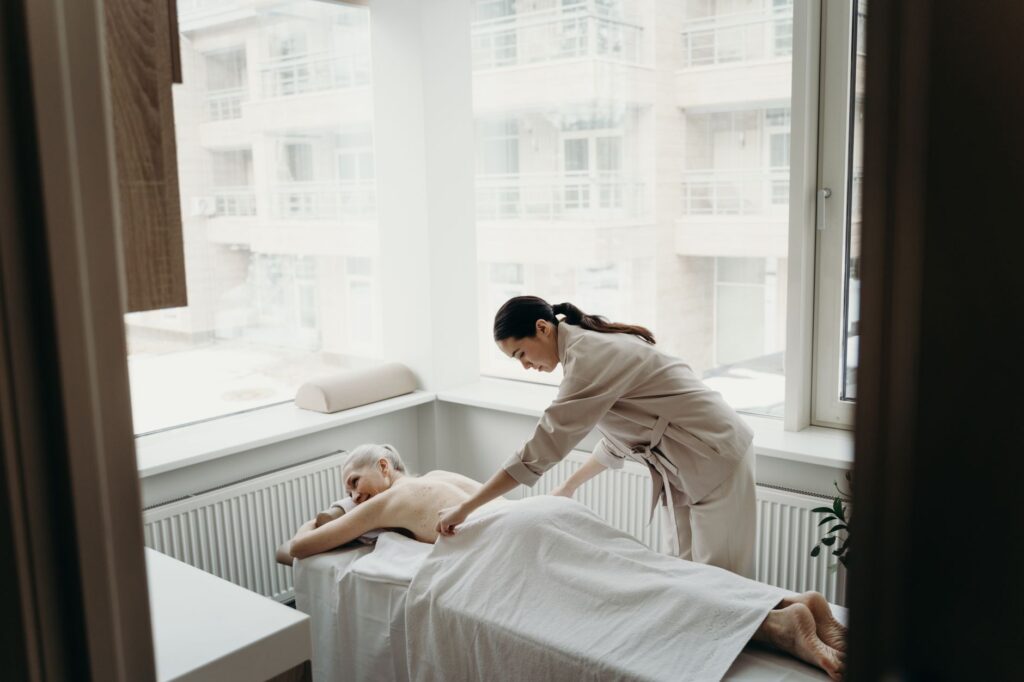
Massage therapy offers a multifaceted approach to improving mental health by addressing both the physiological and psychological aspects of stress and emotional imbalance. By engaging the body's parasympathetic nervous system, massage promotes deep relaxation, which is critical for mental restoration. According to the National Institutes of Health (NIH), massage can reduce the physical and psychological burdens of stress, thereby enhancing overall mental resilience.
The therapeutic touch inherent in massage sessions also fosters a sense of connection and care, which can be profoundly comforting. This experience can help individuals feel more grounded and present, strengthening their mind-body connection—a vital component of holistic wellness in Greenville, MI.
Can Massage Help Reduce Symptoms of Anxiety and Depression?
Yes, massage therapy is widely recognized as a beneficial complementary treatment for reducing the symptoms of both anxiety and depression. Studies and clinical observations, as noted by sources like the American Massage Therapy Association (AMTA) and Mayo Clinic Health System, indicate that regular massage can lead to a noticeable decrease in anxiety levels and an improvement in mood for individuals experiencing depressive symptoms.
The calming effect of massage helps to quiet an overactive nervous system, often associated with anxiety. For depression, the physical relief and release of beneficial neurochemicals contribute to a more positive emotional state. Many individuals report feeling a profound sense of calm and clarity following a session, which can offer temporary relief and support ongoing mental health management.
What Are the Scientific Reasons Behind Massage's Positive Effects on Mood and Stress?
The positive effects of massage on mood and stress are rooted in its influence on the body's neurochemical and physiological systems. Massage therapy has been shown to decrease levels of cortisol, often referred to as the "stress hormone," in the body. Concurrently, it promotes the release of several beneficial neurotransmitters and hormones.
- Serotonin: Known as a mood stabilizer, serotonin levels often increase after massage, contributing to feelings of well-being and happiness.
- Dopamine: This neurotransmitter plays a key role in reward-motivated behavior and pleasure. Increased dopamine levels can enhance mood.
- Endorphins: These natural painkillers and mood elevators are released during massage, helping to reduce discomfort and promote euphoria.
- Oxytocin: Often called the "feel-good hormone," oxytocin is associated with bonding and trust, fostering a sense of calm and contentment.
These neurochemical shifts, supported by sources like the Mayo Clinic Health System and NIH, collectively contribute to improved mood, reduced stress, and a greater sense of peace. The physical manipulation of tissues also improves blood circulation, which can further aid in detoxification and the delivery of oxygen and nutrients, benefiting overall bodily and mental function.
Which Mental Health Conditions Can Be Supported by Massage Therapy?
Massage therapy serves as an effective complementary therapy for a range of mental health conditions by mitigating their physical and emotional manifestations. The primary conditions for which massage offers support include:
- Generalized Anxiety Disorder: Massage helps calm the nervous system, reducing persistent worry and physical tension.
- Depression: By boosting mood-regulating hormones and providing a sense of comfort, massage can alleviate feelings of sadness and lethargy.
- Chronic Stress: It directly targets the physiological responses to stress, such as muscle tension and elevated heart rate, promoting relaxation.
- Insomnia and Sleep Problems: The relaxation induced by massage can significantly improve sleep quality and duration.
- Irritability and Mental Fog/Fatigue: By reducing stress and improving circulation, massage can enhance mental clarity and emotional regulation.
While not a standalone cure, massage therapy offers valuable support in managing symptoms and improving the quality of life for individuals dealing with these challenges, as highlighted by various wellness and health organizations.
How Does Massage Affect Stress Hormones Like Cortisol?
One of the most significant ways massage therapy impacts mental health is through its direct effect on stress hormones, particularly cortisol. Cortisol is released in response to stress, and chronically elevated levels can lead to numerous negative health outcomes, including increased anxiety, depression, weight gain, and impaired immune function. Research, including insights from the National Institutes of Health, consistently shows that therapeutic massage can significantly lower cortisol levels.
By stimulating the parasympathetic nervous system, massage shifts the body from a "fight or flight" response to a "rest and digest" state. This physiological change reduces the production of cortisol and other stress-related hormones, promoting a deeper state of relaxation and allowing the body and mind to recover from the demands of daily life. This reduction in stress hormones is a key factor in the health benefits of regular massage in Greenville.
Can Massage Improve Sleep Quality for Those with Mental Health Concerns?
Absolutely. Sleep disturbances are a common symptom and exacerbating factor for many mental health concerns, including anxiety, depression, and chronic stress. Massage therapy offers a natural and effective way to improve sleep quality. The deep relaxation fostered during a massage session helps to quiet the mind and relax the body, making it easier to fall asleep and achieve more restorative sleep.
By reducing cortisol and increasing serotonin and dopamine, massage helps regulate the body's natural sleep-wake cycle. Many individuals who struggle with insomnia or restless sleep report significant improvements in their sleep patterns after incorporating massage into their routine, according to observations from wellness clinics. This improvement in sleep is a vital component of holistic wellness in Greenville, MI.
Is Massage Therapy a Complementary Treatment for PTSD or Chronic Stress?
Yes, massage therapy is increasingly recognized as a valuable complementary treatment for individuals managing Post-Traumatic Stress Disorder (PTSD) and chronic stress. For those with PTSD, massage can help by creating a safe, therapeutic environment where they can reconnect with their bodies in a positive way, often alleviating symptoms like hypervigilance and muscle tension. The gentle, consistent touch can help regulate the nervous system, which is often dysregulated in trauma survivors.
For chronic stress, massage directly addresses the physical manifestations such as persistent muscle aches, headaches, and fatigue, while simultaneously promoting mental calm. By reducing stress hormones and fostering a sense of peace, massage helps individuals develop better coping mechanisms and resilience against ongoing stressors. Sources like the American Massage Therapy Association highlight massage's role in supporting overall well-being for these conditions.
What Types of Massage Are Best for Mental Well-being?
While many massage modalities can contribute to mental well-being, certain types are particularly effective due to their focus on relaxation, stress reduction, and nervous system regulation. Choosing the right massage in Greenville often depends on individual preferences and specific needs:
- Swedish Massage: This classic modality uses long, flowing strokes, kneading, and circular movements to promote overall relaxation, improve circulation, and ease muscle tension. Its gentle nature makes it excellent for stress relief and general mental calm.
- Deep Tissue Massage: While more intense, deep tissue massage can be highly beneficial for releasing chronic muscle tension that often accompanies stress and anxiety. By addressing deep-seated knots, it can alleviate physical discomfort that contributes to mental strain.
- Craniosacral Therapy: A gentle, hands-on method that evaluates and enhances the functioning of the craniosacral system (membranes and cerebrospinal fluid that surround the brain and spinal cord). This subtle approach can be profoundly relaxing and effective for nervous system regulation, often recommended for stress, anxiety, and PTSD.
- Hot Stone Massage: The warmth of heated stones combined with massage strokes deeply relaxes muscles and soothes the nervous system, providing an enhanced sense of comfort and tranquility.
- Head Spa Experience: A specialized treatment focusing on the scalp, neck, and shoulders. This can be exceptionally effective for releasing tension headaches, mental fatigue, and stress, directly impacting mental clarity and relaxation. Focusing on an area rich in nerve endings, a Head Spa can induce profound calm.
Discussing your specific mental health goals with your therapist can help you determine the most suitable type of massage for your needs.
Where Can I Find Massage Therapy Services Focused on Mental Health in Greenville, Michigan?

For residents in Greenville, Michigan, seeking therapeutic massage services focused on supporting mental health, Healthy Balance Bodyworks offers a dedicated and comprehensive approach. Located conveniently in Greenville, Healthy Balance Bodyworks specializes in a diverse range of therapeutic massage, bodywork, and wellness services designed to promote both physical and mental well-being.
Tyler and Alyssa own Healthy Balance Bodyworks, and together they have years of experience in the massage and stretch therapy industry. The goal with Healthy Balance Bodyworks is to help others feel relaxed and rejuvenated throughout the process. Healthy Balance Bodyworks has been around since the early 2000s, started by Melany, and now her daughter Alyssa and son-in-law Tyler own and operate the center. They offer many services, from Massage and Hot Stones to Stretch Therapy and Head Spa experiences, all of which can contribute to mental wellness.
Their team emphasizes a holistic approach to health, understanding the intricate connection between physical comfort and mental peace. Whether you are looking for pain relief, deep relaxation, or a specialized Head Spa experience to de-stress, Healthy Balance Bodyworks provides a welcoming environment to support your journey towards improved mental health and integrative wellness.
What Should I Expect During a Massage Session for Mental Health Support?
When you book a massage session specifically for mental health support at a wellness center like Healthy Balance Bodyworks, you can expect a tailored and supportive experience. The session typically begins with a brief consultation where your therapist will discuss your specific concerns, mental health goals, and any areas of tension or discomfort you may be experiencing. This ensures a personalized approach to your treatment.
During the massage itself, you will be in a private, serene environment designed for relaxation. The therapist will use techniques appropriate for your chosen modality, focusing on areas that hold stress and tension. The emphasis will be on creating a calming atmosphere, allowing your mind to quiet and your body to release stress. Therapists are trained to provide a safe space and to adapt their touch to your comfort level, promoting deep relaxation and a sense of emotional release. Post-massage care tips will also be provided to help extend the benefits of your session.
Frequently Asked Questions
How often should I get a massage for mental health benefits?
The ideal frequency for massage therapy for mental health benefits varies by individual, but many find that regular sessions, such as once a month or bi-weekly, are most effective for sustained stress reduction and mood improvement. Your therapist can help you determine a schedule that best suits your needs and goals.
Is massage therapy a substitute for professional mental health counseling?
No, massage therapy is a complementary treatment and should not be considered a substitute for professional mental health counseling or medical treatment. It works best as part of a comprehensive wellness plan, alongside therapy, medication, or other recommendations from your healthcare provider.
Can massage therapy help with stress-related physical symptoms?
Yes, massage therapy is highly effective at addressing stress-related physical symptoms such such as muscle tension, headaches, neck and back pain, and digestive issues. By relaxing the body and improving circulation, massage helps alleviate these physical manifestations of stress.
Are there any side effects of massage for mental health?
Generally, massage therapy has few side effects. Some individuals may experience mild soreness, fatigue, or increased thirst after a session. It's important to communicate any discomfort or pre-existing conditions with your therapist to ensure a safe and beneficial experience.
What is a Head Spa, and how does it relate to mental well-being?
A Head Spa is a specialized treatment that focuses on massaging and treating the scalp, neck, and shoulders. It's directly related to mental well-being as it can relieve tension headaches, improve mental clarity, reduce stress, and promote profound relaxation by stimulating nerve endings in the scalp and easing tension often held in the head and neck area.