
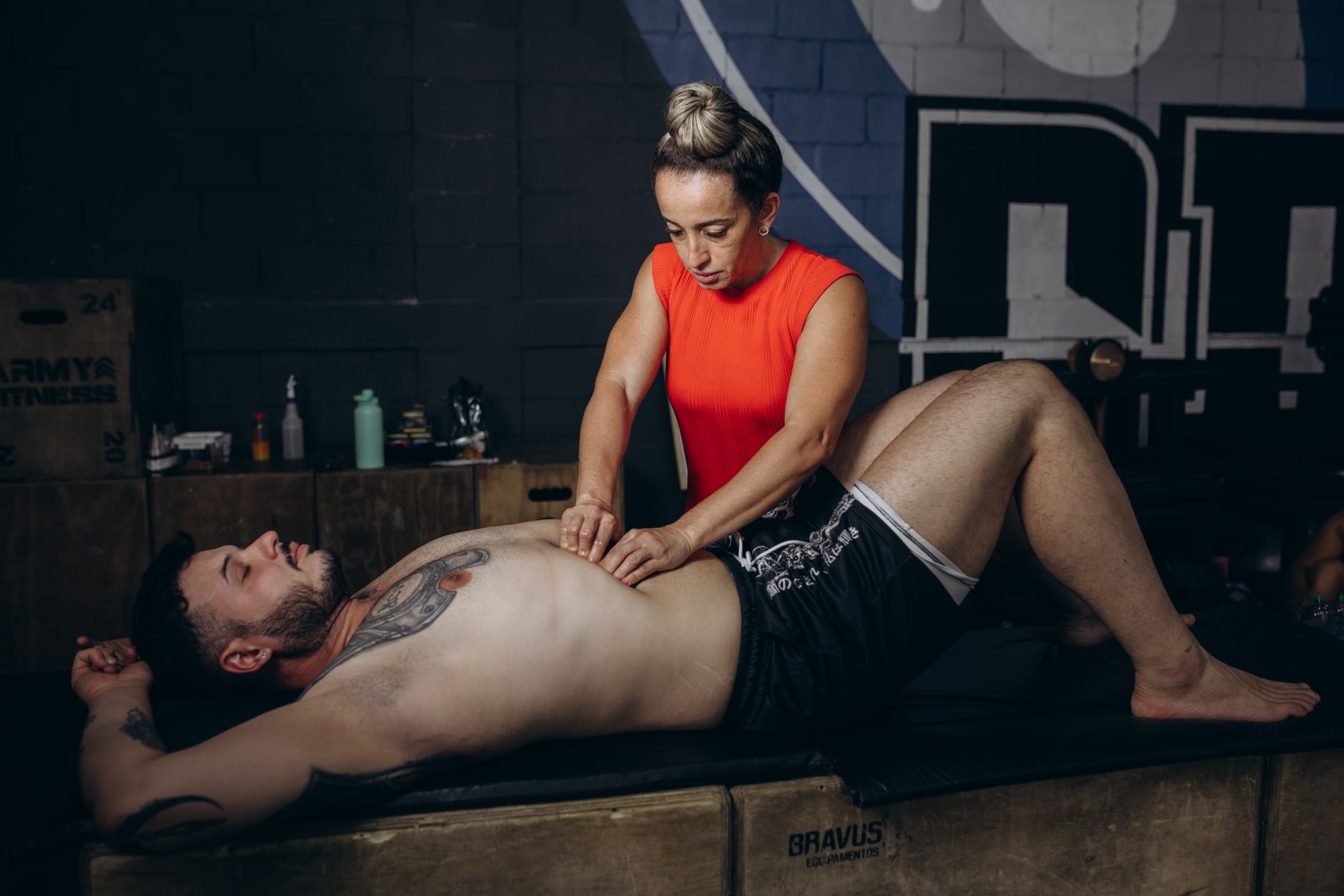

For athletes in Greenville, Michigan, optimizing performance, accelerating recovery, and preventing injuries are paramount goals. Sports massage offers a targeted, therapeutic approach to achieving these objectives, going beyond general relaxation to address the specific demands placed on an athlete's body.
Quick answer: Sports massage for athletes in Greenville is a specialized form of bodywork designed to enhance athletic performance, speed up recovery from training and competition, and prevent injuries by focusing on muscles and connective tissues relevant to specific sports activities. It differs from general massage by employing targeted techniques to optimize physical function.
Key Takeaways
- Sports massage is distinct from general massage, specifically targeting athletic needs.
- It significantly aids in increasing range of motion, improving flexibility, and reducing muscle soreness.
- Various types exist, including pre-event, post-event, maintenance, and rehabilitative massage.
- Techniques like deep tissue, trigger point therapy, and myofascial release are commonly used.
- Regular sessions can help prevent injuries, improve performance, and accelerate recovery for athletes of all levels.
What is Sports Massage and How Does it Differ from a Regular Massage?
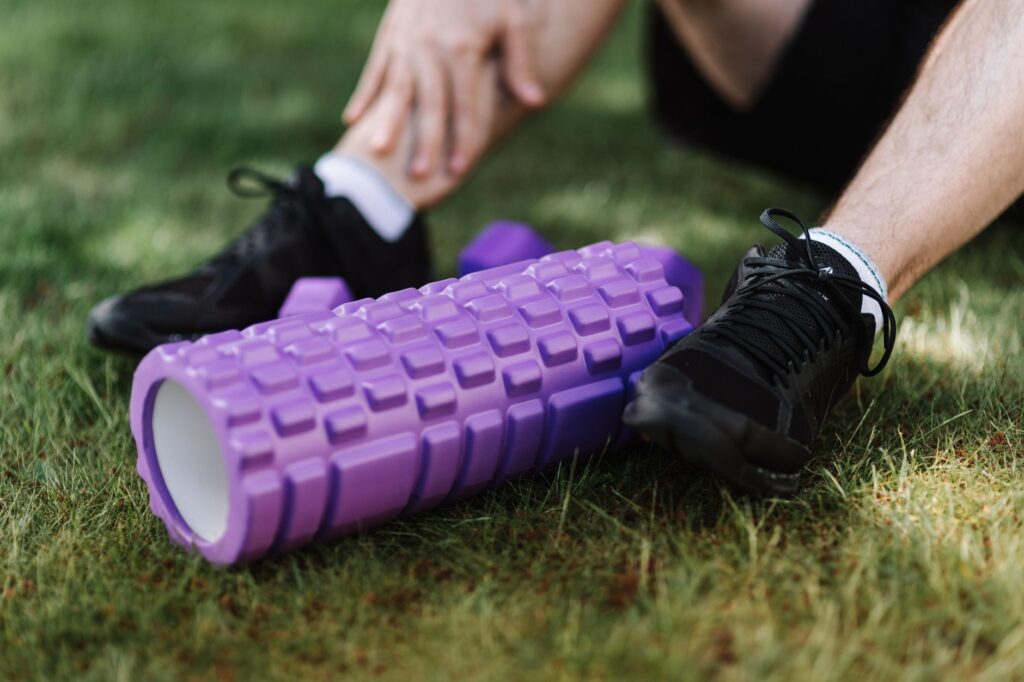
Sports massage is a specialized therapy focusing on the muscles and connective tissues critical to an athlete's specific sport and activity. Its primary goals are to improve performance, prevent injury, and aid in recovery. Unlike a general relaxation massage, which aims for overall stress reduction and comfort, sports massage employs specific techniques to address muscle imbalances, reduce tension, and prepare the body for intense physical exertion or help it recover afterward.
While both types of massage involve manipulation of soft tissues, sports massage is typically more intense and therapeutic, often focusing on specific muscle groups or areas of concern identified through an athlete's training regimen or injury history. It is a functional therapy, deeply integrated into an athlete's overall wellness and training strategy.
What are the Specific Benefits of Sports Massage for Athletes in Greenville?
Athletes in Greenville, from competitive runners to weekend warriors, can experience a range of significant benefits from regular sports massage. These benefits extend beyond simple muscle relaxation to directly impact performance and physical well-being.
- Increased Joint Range of Motion (ROM): By releasing tight muscles and fascia, sports massage can help restore and enhance the flexibility of joints, allowing for greater movement and reducing strain.
- Increased Flexibility: Targeted stretching and massage techniques improve muscle elasticity, contributing to better overall flexibility and reduced risk of tears.
- Reduced Muscle Tension and Soreness: Intense training often leads to muscle stiffness and delayed onset muscle soreness (DOMS). Sports massage helps alleviate this by promoting circulation and reducing inflammation.
- Faster Recovery Time: By addressing muscle fatigue and promoting the removal of metabolic byproducts, sports massage can significantly shorten the time needed for muscles to recover between training sessions or events.
- Improved Athletic Performance: Enhanced flexibility, reduced tension, and quicker recovery collectively contribute to an athlete's ability to perform at their peak.
- Injury Prevention: Regular sports massage helps identify and address potential problem areas before they escalate into injuries, maintaining muscle suppleness and balance.
- Reduced Muscle Spasms: By relaxing overactive muscles and improving neurological feedback, sports massage can decrease the incidence of painful muscle spasms.
- Enhanced Sense of Well-being: Beyond the physical, sports massage can reduce anxiety, improve mood, and contribute to better sleep quality, all crucial for an athlete's mental game.
What Types of Sports Massage are There?
Sports massage can be categorized by the timing relative to an athletic event or training cycle, each serving a distinct purpose:
- Pre-event Massage: This type is administered shortly before competition. It's typically a vigorous, stimulating Swedish massage designed to boost circulation, warm up muscles, and prepare the body for intense activity. The focus is on increasing muscle elasticity and mental alertness without causing deep tissue soreness.
- Post-event Massage: Performed after an event or intense training, post-event massage helps athletes wind down, reduces muscle soreness, normalizes tissues, and prevents stiffness. It aims to calm the nervous system, reduce swelling, and initiate the recovery process.
- Restorative/Maintenance Massage: Provided regularly during an athlete's training regimen, this type of massage keeps athletes at peak performance. It focuses on maintaining muscle suppleness, identifying and addressing areas of chronic tension, and minimizing injury risk over time.
- Rehabilitative Massage: When injuries occur, rehabilitative sports massage treats specific sports-related conditions. It aims to speed recovery, increase circulation to injured areas, protect range of motion, and aid in the healing of damaged tissues, often working in conjunction with other therapies.
What Techniques are Used in Sports Massage?
Sports massage therapists in Greenville employ a variety of specialized techniques to address the unique needs of athletes. These methods are chosen based on the athlete's sport, current physical condition, and specific areas of concern.
Common techniques include:
- Deep Tissue Massage: Targets deeper layers of muscle and connective tissue to break down adhesions and relieve chronic muscle tension, often beneficial for addressing trigger point therapy Greenville Michigan.
- Trigger Point Therapy: Focuses on deactivating hyperirritable spots (trigger points) within muscle tissue that can cause referred pain and restrict movement.
- Myofascial Release: This technique involves applying sustained pressure to release restrictions in the fascia, the connective tissue that surrounds muscles, bones, and organs. It's a key component of myofascial release therapy Greenville MI.
- Stretching: Incorporates various stretching techniques, both passive and active, to improve flexibility and range of motion.
- Swedish Massage Techniques: While often associated with relaxation, techniques like effleurage (gliding strokes), petrissage (kneading), compression, friction, tapotement (rhythmic tapping), and vibration are adapted for sports massage to warm up tissues, increase circulation, and prepare muscles.
Who Can Benefit from Sports Massage?
Sports massage is not exclusively for professional athletes; anyone engaged in regular physical activity can benefit significantly. This includes individuals participating in:
- Running and Cycling: Addresses common issues like IT band syndrome, hamstring tightness, and calf strains.
- Weightlifting and Bodybuilding: Helps with muscle recovery, reduces DOMS, and maintains flexibility in overused muscle groups.
- Team Sports (e.g., Soccer, Basketball, Football): Assists with overall muscle maintenance, injury prevention, and recovery from high-impact activities.
- Golf and Tennis: Focuses on rotational muscles, shoulder mobility, and core stability.
- Individuals with Active Lifestyles: Even those who regularly hike, garden, or engage in intense manual labor can find relief from chronic tension and improved physical function.
It is particularly beneficial for those seeking to improve performance goals, recover from specific injury types like muscle strains or tendonitis, or manage conditions such as IT band syndrome, shin splints, or plantar fasciitis.
How Often Should Athletes Get a Sports Massage?
The optimal frequency for sports massage depends on an athlete's training intensity, competition schedule, and individual recovery needs. For active individuals, a maintenance sports massage every two to four weeks is generally recommended to keep muscles supple and prevent issues. For those in peak training cycles or preparing for a major event, weekly or bi-weekly sessions might be more beneficial.
The "pre and post event sports massage Greenville" approach suggests strategic timing around competitions. Ultimately, a qualified therapist can help determine the ideal schedule tailored to your specific demands and goals.
What Should an Athlete Expect During a Sports Massage Session in Greenville?
When you arrive for a sports massage session at a wellness center in Greenville, like Healthy Balance Bodyworks, you can expect a personalized and focused experience. The session typically begins with a brief consultation where your therapist will discuss your athletic activities, any current discomfort or injuries, and your specific goals for the session.
You'll then be directed to a private treatment room. The therapist will use a combination of techniques, often incorporating deeper pressure and active or passive stretching. Communication is key; your therapist will encourage you to provide feedback on pressure and comfort levels throughout the session to ensure the therapy is effective and tolerable. The focus will be on specific muscle groups or areas identified during the initial consultation, rather than a full-body relaxation approach.
Does Sports Massage Hurt?
Sports massage can involve deeper pressure and more intense techniques than a typical relaxation massage, which may lead to some discomfort or a sensation often described as "good pain." However, it should never be excruciating or cause sharp, unbearable pain. The goal is to work through muscle tension and restrictions, which can sometimes feel intense but is generally well-tolerated.
A skilled therapist will constantly monitor your feedback and adjust pressure as needed. Some tenderness or mild soreness after a session is normal, similar to how muscles feel after an intense workout, and usually subsides within 24-48 hours. This indicates that the muscles have been effectively worked and are beginning their recovery process.
How Does Sports Massage Aid in Injury Prevention and Recovery?
Sports massage plays a critical role in both injury prevention and accelerating recovery. For prevention, it helps maintain the elasticity and pliability of muscle tissues, reducing their susceptibility to tears and strains. By identifying and addressing areas of tightness or imbalance before they become problematic, it minimizes the risk of overuse injuries. Regular maintenance also improves proprioception, the body's awareness of its position in space, which can enhance stability and coordination.
In terms of recovery, sports massage enhances circulation to injured tissues, which can help deliver vital nutrients and remove metabolic waste products. While some sources note that the direct flushing of lactic acid by massage isn't universally supported by research, improved blood flow is a recognized benefit. It also helps reduce inflammation, alleviate muscle spasms, and break down scar tissue, facilitating a smoother and faster return to activity. This proactive approach supports athletes in staying healthy and performing consistently.
Can Sports Massage Help with Specific Conditions?
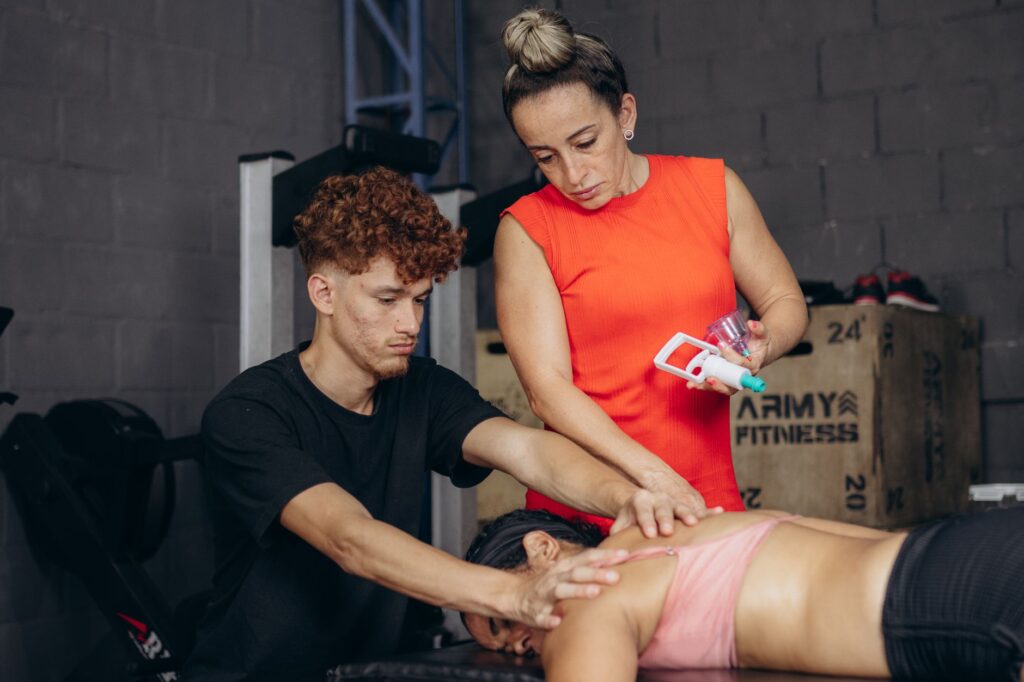
Yes, sports massage is often effective in managing and treating a range of specific athletic conditions. It can be a valuable component of a recovery plan for:
- Muscle Strains: By reducing tension in surrounding muscles and promoting blood flow, it aids in the healing of strained fibers.
- Tendonitis: Techniques like friction massage can help break down adhesions and promote healthy collagen formation in inflamed tendons.
- IT Band Syndrome: Addressing tightness in the iliotibial band and surrounding hip muscles can significantly alleviate pain and dysfunction.
- Shin Splints: Massage can help release tension in the calf muscles and tibialis anterior, reducing stress on the shin bone.
- Plantar Fasciitis: By working on the calf muscles and plantar fascia, sports massage can reduce tension and inflammation in the foot.
It's important to consult with a healthcare professional for diagnosis and to ensure sports massage is an appropriate part of your treatment plan, especially for acute injuries.
What Qualifications Should a Sports Massage Therapist in Greenville Have?
When seeking the best sports massage therapist Greenville MI, it's crucial to look for qualified professionals. A reputable sports massage therapist should hold a state license as a massage therapist, which requires specific training hours and passing examinations. Beyond basic licensure, therapists specializing in sports massage often pursue additional certifications or continuing education in areas such as advanced anatomy, sports-specific techniques (e.g., Active Release Technique (ART) or FAKTR), injury rehabilitation, and exercise physiology.
Experience working with athletes across various sports is also a strong indicator of expertise. Tyler and Alyssa, owners of Healthy Balance Bodyworks, together have years of experience in the massage and stretch therapy industry, bringing a wealth of knowledge to their practice.
How Does Sports Massage Integrate with Other Therapies?
Sports massage is highly complementary to other therapeutic modalities, forming a comprehensive approach to athlete care. It often integrates seamlessly with physical therapy, chiropractic care, and even personal training. For instance, a physical therapist might prescribe exercises to strengthen a weak muscle group, while a sports massage therapist works to release tension in opposing or synergistic muscles, allowing for better movement and exercise execution.
Similarly, chiropractic adjustments can be more effective when surrounding soft tissues are relaxed through massage. This collaborative approach, where different specialists address various aspects of an athlete's physical health, leads to more holistic and sustainable outcomes for injury recovery, prevention, and performance enhancement.
What is the Typical Cost of Sports Massage in Greenville?
The cost of sports massage in Greenville, Michigan, can vary depending on factors such as the therapist's experience, the duration of the session, and the specific techniques used. While individual pricing structures differ between local wellness centers, it's common for specialized therapeutic massages to be priced similarly to deep tissue or other advanced bodywork sessions. For specific pricing, it is always best to directly consult local providers like Healthy Balance Bodyworks, as they can provide detailed information tailored to their services and session lengths.
Frequently Asked Questions
Is sports massage only for professional athletes?
No, sports massage is beneficial for anyone engaging in regular physical activity, from professional athletes to recreational exercisers and individuals with active lifestyles. Its benefits extend to improving performance, preventing injury, and aiding recovery for all levels of activity.
How long does a typical sports massage session last?
A typical sports massage session can range from 30 minutes for a targeted area to 90 minutes for a more comprehensive treatment, with 60-minute sessions being quite common. The duration often depends on the athlete's needs and the specific goals of the session.
Should I get a sports massage if I'm injured?
If you have an acute injury, it's crucial to consult with a healthcare professional, such as a doctor or physical therapist, before getting a sports massage. For certain injuries, sports massage can be highly beneficial as part of a rehabilitation plan, but timing and specific techniques must be carefully considered to avoid further harm.
What should I do after a sports massage?
After a sports massage, it's generally recommended to drink plenty of water to help flush out metabolic waste products and stay hydrated. Gentle stretching or light activity can be beneficial, but avoid intense workouts for at least 24 hours to allow your muscles to recover and integrate the work done during the session. Listen to your body and rest if needed.
Can sports massage help with muscle cramps?
Yes, sports massage can help with muscle cramps by addressing underlying muscle tension, improving circulation, and promoting relaxation of hyperactive muscle fibers. Regular maintenance massage can also help prevent cramps by keeping muscles supple and balanced.