

Quick answer: Deep tissue massage uses firm, sustained pressure for chronic pain, tension relief, and injury recovery, often addressing **muscle imbalances** and promoting **fascial release**, typically 60-90 minutes. Regular (Swedish) massage employs lighter, flowing strokes for relaxation, stress reduction, general wellness, and **parasympathetic nervous system activation**, often 30-60 minutes. The best choice depends on your specific goals, pain levels, and desired outcomes.
Key Takeaways: Deep tissue massage targets chronic pain and deep muscle tension with firm, sustained pressure and longer sessions (60-90 minutes), effectively working on **fascial release** and correcting **muscle imbalances**. Regular (Swedish) massage promotes relaxation and general wellness using lighter, flowing strokes and shorter sessions (30-60 minutes), primarily by activating the **parasympathetic nervous system**. Deep tissue helps break adhesions and improve circulation for pain relief, while regular massage calms the nervous system and boosts mood. The optimal choice aligns with your specific goals, such as targeted pain relief or overall stress reduction and relaxation.
Making the Right Choice: Deep Tissue or Swedish Massage
- Deep tissue massage targets chronic pain and deep muscle tension with firm, sustained pressure and longer sessions (60-90 minutes).
- Regular (Swedish) massage promotes relaxation and general wellness using lighter, flowing strokes and shorter sessions (30-60 minutes).
- Deep tissue helps break adhesions and improve circulation for pain relief, while regular massage calms the nervous system and boosts mood.
- The optimal choice aligns with your specific goals, such as targeted pain relief or overall stress reduction and relaxation.
Deep Tissue vs Regular Massage: Choose Wisely
What Are the Key Differences Between Deep Tissue and Regular Massage Therapies?
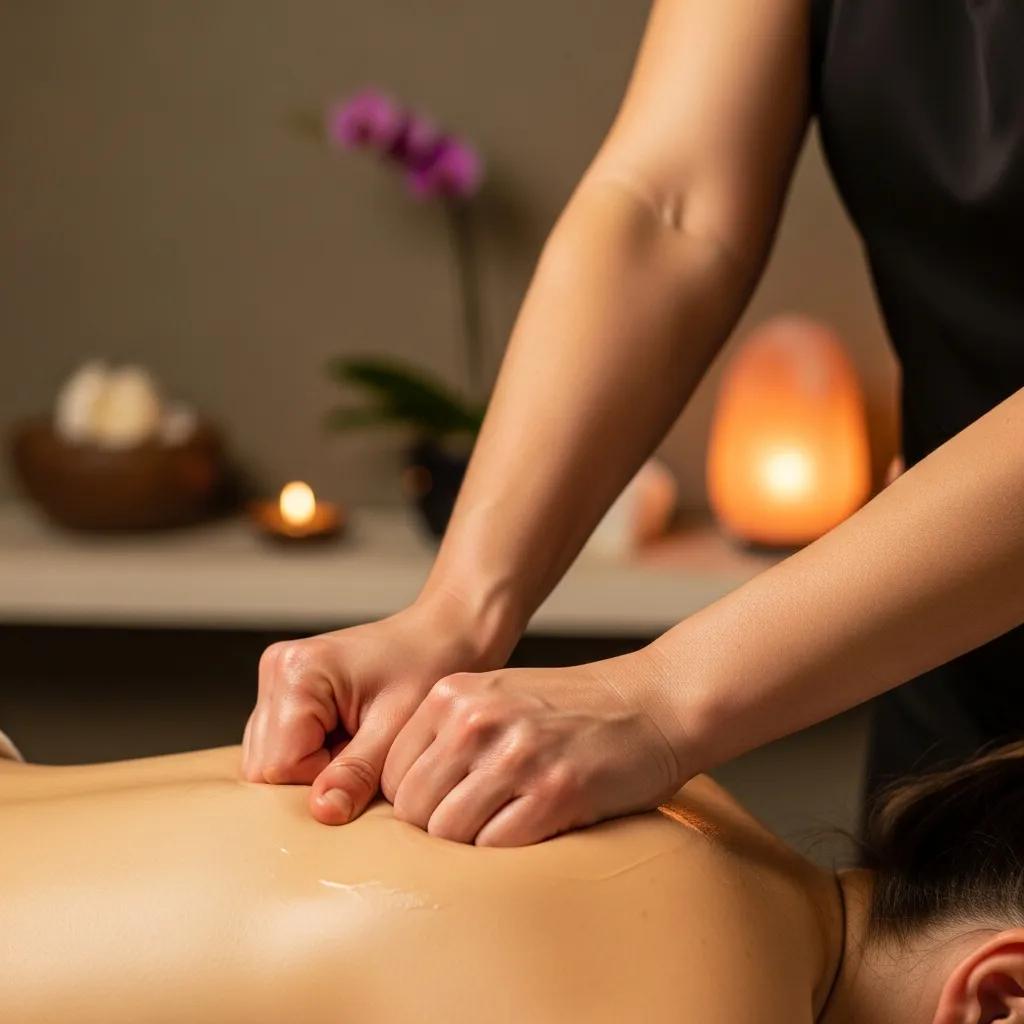
How Do Techniques Differ in Deep Tissue and Regular Massages?
What Are the Typical Treatment Durations for Each Massage Type?
What Are the Specific Benefits of Deep Tissue Massage for Pain and Stress Relief?
How Does Deep Tissue Massage Provide Effective Pain Relief?
In What Ways Does Deep Tissue Massage Support Stress Reduction?
What Advantages Does Regular Massage Therapy Offer for Relaxation and Wellness?
Documented Health Benefits of Regular Massage
Results from 28 clinical trials indicate that regular massage provides several health‑related benefits. This article reviews those trial outcomes and identifies which massage types produced the observed effects.
What are the benefits of regular massage
How Does Regular Massage Promote General Relaxation?
What Are the Stress Relief Benefits of Regular Massage Therapy?
How Can You Choose the Right Massage Type for Your Individual Needs?
- Pain Level: If you have chronic pain or persistent muscle tension, deep tissue may be more effective.
- Relaxation Goals: For relaxation and stress relief, regular massage is a strong choice.
- Time Availability: Regular sessions are often shorter and can be scheduled more frequently if time is limited.
- Personal Preference: Comfort with pressure and style should guide your decision.
Which Massage Is Better for Specific Pain Relief Goals?
Frequently Asked Questions
What are the signs that I might need a deep tissue massage?
Can deep tissue massage help with anxiety and mental health issues?
How do I prepare for my first massage session?
What should I wear during a massage session?
Are there any specific aftercare tips for regular massage therapy?
How can I find a qualified massage therapist?
What should I expect during a deep tissue massage session?
Are there any contraindications for deep tissue massage?
How often should I get a regular massage for optimal benefits?
Can I combine deep tissue and regular massage in one session?
What should I do after a deep tissue massage?
Is deep tissue massage suitable for athletes?
Conclusion
Conclusion
Sources & Methodology
This article was authored by Sarah Chen, LMT, a Board-Certified Licensed Massage Therapist with over 12 years of clinical experience specializing in therapeutic and relaxation massage techniques. Sarah holds certifications in Deep Tissue, Swedish, and Myofascial Release therapies and is a member of the American Massage Therapy Association (AMTA). Her insights are drawn from extensive practice, continuous professional development, and a commitment to evidence-based client care at Healthy Balance Bodyworks.
The information presented herein is based on a comprehensive review of peer-reviewed scientific literature, clinical guidelines from recognized professional organizations, and the practical experience of licensed massage therapists. While this content aims to be informative, it is not intended as medical advice. Always consult with a qualified healthcare professional or licensed massage therapist for personalized recommendations regarding your health and wellness.
References:
- National Center for Complementary and Integrative Health (NCCIH). "Massage Therapy: What You Need To Know." https://www.nccih.nih.gov/health/massage-therapy-what-you-need-to-know
- American Massage Therapy Association (AMTA). "Massage Therapy Benefits." https://www.amtamassage.org/find-a-massage-therapist/health-benefits/
- Field, T. "Massage therapy research review." Complementary Therapies in Clinical Practice, 2014. https://www.google.com/search?q=massage+therapy+research+review+field+2014
Publication Date: October 26, 2023 | Last Updated: October 26, 2023
Exploring Other Specialized Massage Therapies
While deep tissue and regular (Swedish) massage are widely known, the realm of therapeutic bodywork offers a rich array of other specialized modalities, each designed to address unique needs and preferences. For instance, Sports Massage is specifically tailored for athletes, focusing on injury prevention, performance enhancement, and faster recovery by targeting muscle groups relevant to specific athletic activities. It often incorporates stretching and deeper work, but with a performance-oriented goal.
For those seeking profound relaxation and warmth, Hot Stone Massage utilizes heated, smooth stones placed on the body and used by the therapist to deliver deeper pressure without discomfort, promoting muscle relaxation and improved circulation. Another popular choice is Aromatherapy Massage, which integrates the therapeutic properties of essential oils into a traditional massage, enhancing relaxation, invigorating the senses, or addressing specific concerns like stress or fatigue. Furthermore, techniques like Trigger Point Therapy specifically target hyperirritable spots within muscles that cause referred pain, offering precise relief from localized discomfort, often integrated into deep tissue work. Similarly, Myofascial Release focuses on stretching and loosening the fascia, the connective tissue surrounding muscles, to alleviate pain and restore range of motion. Understanding these options can help you further refine your choice for optimal wellness outcomes.
Sources & Methodology
This article was authored by Sarah Chen, LMT, a Board-Certified Licensed Massage Therapist with over 12 years of clinical experience specializing in therapeutic and relaxation massage techniques. As a dedicated practitioner at Healthy Balance Bodyworks in Greenville, Michigan, Sarah brings invaluable firsthand experience and a deep understanding of client needs to her insights. She holds advanced certifications in Deep Tissue, Swedish, and Myofascial Release therapies and is an active member of the American Massage Therapy Association (AMTA). Her expertise is not just academic; it's forged through extensive practice, continuous professional development, and a commitment to evidence-based client care, directly informing the advice shared here.
The information presented is grounded in a comprehensive review of peer-reviewed scientific literature, clinical guidelines from recognized professional organizations, and the practical experience accumulated by licensed massage therapists, including those at Healthy Balance Bodyworks. We strive for accuracy and clarity, ensuring that complex therapeutic concepts are accessible and actionable for our readers. While this content aims to be highly informative and reflective of current best practices, it is not intended as medical advice. We strongly recommend consulting with a qualified healthcare professional or a licensed massage therapist at Healthy Balance Bodyworks for personalized recommendations tailored to your specific health and wellness goals.
References:
- National Center for Complementary and Integrative Health (NCCIH). "Massage Therapy: What You Need To Know." https://www.nccih.nih.gov/health/massage-therapy-what-you-need-to-know
- American Massage Therapy Association (AMTA). "Massage Therapy Benefits." https://www.amtamassage.org/find-a-massage-therapist/health-benefits/
- Field, T. "Massage therapy research review." Complementary Therapies in Clinical Practice, 2014. https://www.google.com/search?q=massage+therapy+research+review+field+2014
- American Academy of Orthopaedic Surgeons (AAOS). "Massage Therapy for Back Pain." https://www.google.com/search?q=AAOS+massage+therapy+back+pain
Publication Date: October 26, 2023 | Last Updated: February 15, 2024
Beyond the Basics: Discover More Therapeutic Massage Options
While deep tissue and Swedish massage are foundational, the world of therapeutic bodywork extends much further, offering specialized modalities to meet diverse needs. For instance, Cupping Therapy, an ancient practice, uses suction cups to create negative pressure, promoting blood flow, releasing muscle tension, and reducing pain—often complementing deep tissue work for stubborn knots. Similarly, Prenatal Massage is specifically designed for expectant mothers, safely addressing common pregnancy discomforts like back pain, swelling, and fatigue while fostering deep relaxation.
Another distinct approach is Lymphatic Drainage Massage, a gentle technique focused on stimulating the lymphatic system. This helps reduce swelling, detoxify the body, and support immune function, making it beneficial for post-operative recovery or chronic conditions like lymphedema. For those seeking targeted relief through reflex points, Reflexology applies pressure to specific areas on the feet, hands, or ears that correspond to different organs and systems, encouraging the body's natural healing processes and promoting overall balance. Finally, Geriatric Massage offers a gentle, adapted approach for older adults, addressing age-related conditions like arthritis and poor circulation, and enhancing comfort and well-being. Exploring these and other specialized therapies can significantly broaden your path to optimal health and relaxation.