

Quick answer: Massage therapy is essential for pain relief because it directly addresses muscle tension, improves circulation, and promotes deep relaxation through parasympathetic nervous system activation. It effectively reduces chronic pain by interrupting the pain-stress cycle, triggering endorphin release, enhancing nutrient delivery, and modulating pain perception via the gate control theory of pain. Regular treatment also improves flexibility and range of motion, making it a valuable non-pharmacological approach for comprehensive pain management.
Key Takeaways
Massage therapy is a non-pharmacological approach that reduces pain by easing muscle tension, enhancing circulation, and promoting relaxation through its influence on the parasympathetic nervous system. It effectively alleviates chronic pain through physiological changes like increased blood flow, endorphin release, and interruption of the pain-stress cycle, alongside its role in nociceptive modulation as explained by the gate control theory of pain. Common conditions benefiting include chronic back pain, tension headaches, and certain joint pains like rheumatoid arthritis, with techniques tailored to specific needs. Beyond pain relief, massage contributes to stress reduction,
Essential Benefits of Massage Therapy
- Massage therapy is a non-pharmacological approach that reduces pain by easing muscle tension, enhancing circulation, and promoting relaxation.
- It effectively alleviates chronic pain through physiological changes like increased blood flow, endorphin release, and interruption of the pain-stress cycle.
- Common conditions benefiting include chronic back pain, tension headaches, and certain joint pains like rheumatoid arthritis, with techniques tailored to specific needs.
- Beyond pain relief, massage contributes to stress reduction, improved mobility, and overall mental well-being.
- Effective sessions require clients to research qualified therapists, communicate needs, and prepare adequately.
Quick answer: Massage therapy is essential for pain relief because it directly addresses muscle tension, improves circulation, and promotes relaxation. It reduces chronic pain by interrupting the pain-stress cycle, triggering endorphin release, and enhancing nutrient delivery. Regular treatment also improves flexibility and range of motion, making it a valuable non-pharmacological approach for comprehensive pain management.
Key Takeaways
- Massage therapy is a non-pharmacological approach that reduces pain by easing muscle tension, enhancing circulation, and promoting relaxation.
- It effectively alleviates chronic pain through physiological changes like increased blood flow, endorphin release, and interruption of the pain-stress cycle.
- Common conditions benefiting include chronic back pain, tension headaches, and certain joint pains like rheumatoid arthritis, with techniques tailored to specific needs.
- Beyond pain relief, massage contributes to stress reduction, improved mobility, and overall mental well-being.
- Effective sessions require clients to research qualified therapists, communicate needs, and prepare adequately.
Why Massage Therapy Is Essential for Pain Relief
Why Massage Therapy Is Essential for Pain Relief
Massage therapy is a widely used, non‑pharmacological approach to reduce pain and support overall well‑being. Targeted soft‑tissue work eases muscle tension, enhances circulation, and actively contributes to **pain modulation** through **autonomic nervous system regulation**, fostering deep relaxation. This article summarises key clinical benefits, common treatment options, and practical steps clients can take to prepare for sessions.
Research supports the widespread use of massage therapy as a primary strategy for managing persistent musculoskeletal pain.
Massage for Chronic Musculoskeletal Pain
Massage therapy with soft tissue manipulation is one of the most common used techniques in pain management.
Massage therapy in chronic musculoskeletal pain management: a scoping review of the literature, U Cavlak, 2019
Therapeutic Benefits of Massage
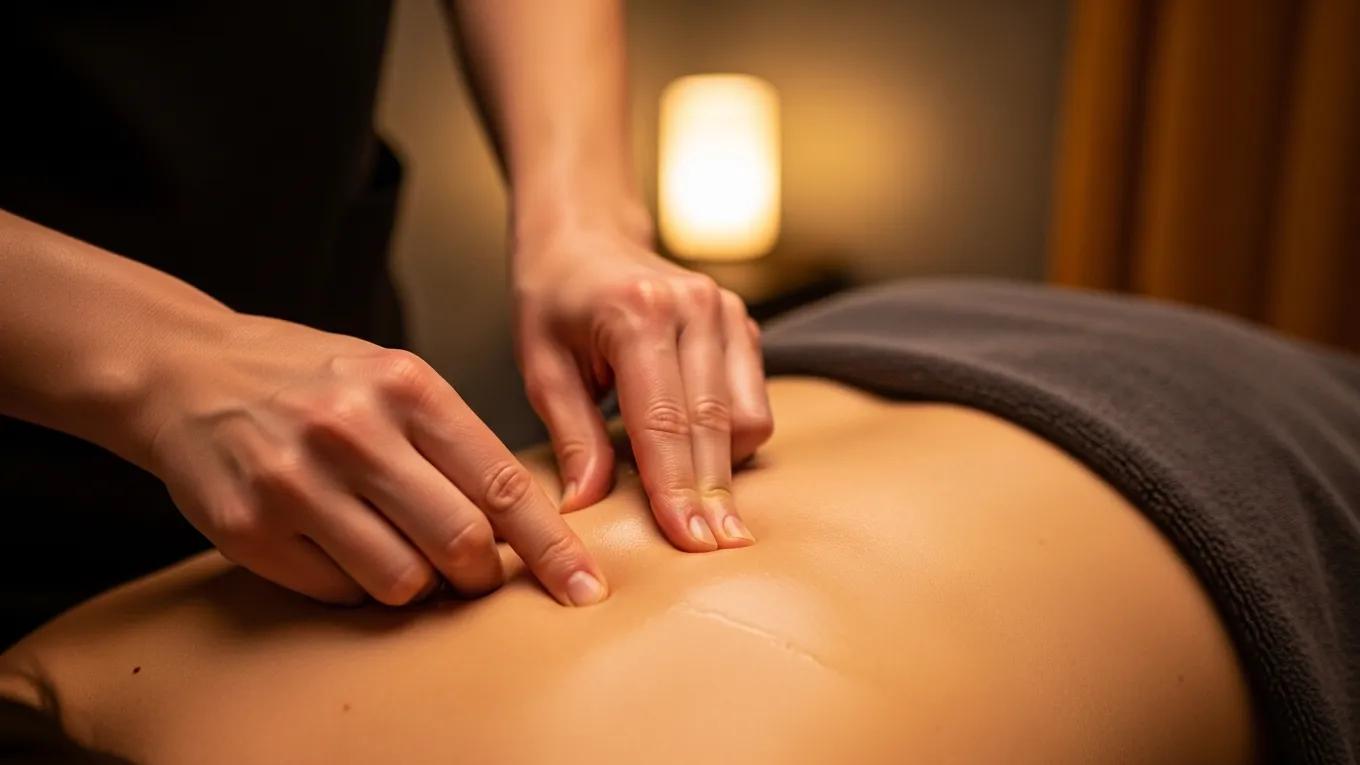
Beyond relaxation, massage can reduce chronic pain, lower stress, and speed soft‑tissue recovery. Regular treatment often improves flexibility and range of motion, making it a practical part of multi‑modal pain management.
Treatment Options Available
Several modalities address different goals; clinicians select techniques based on presentation and objectives.
- Therapeutic Massage : Focused work to relieve local tension and pain.
- Stretch Therapy : Assisted stretching to improve flexibility.
- Energy Work : Practices aimed at supporting overall balance and wellbeing.
These options are adaptable and can be personalised to client needs.
Contribution to Alleviating Pain
Massage reduces pain by releasing muscle tension, interrupting the pain–stress cycle, and allowing therapists to target dysfunction precisely; this supports short‑term relief and informs longer‑term management.
How Does Massage Therapy Alleviate Chronic Pain?
Physiological changes include increased blood flow, improved nutrient delivery, and removal of metabolic waste. Massage also triggers relaxation and endorphin release, which can lower stress and reduce pain perception.
What Physiological Effects Reduce Pain and Muscle Tension?
Key effects are enhanced circulation, reduced muscle tension, and endorphin release; together these promote relaxation and functional improvement in many patients.
A systematic review of the literature further documents the volume of research investigating massage therapy's effects on pain.
Systematic Review: Massage Therapy for Pain Relief
our search strategy identified more than 200 publications about massage therapy for pain. It is recommended that future studies investigate how different parameters (e.g., frequency, duration, type of massage per week, etc.) may have significantly different effects on pain relief.
Use of massage therapy for pain, 2018-2023: a systematic review, I Miake-Lye, 2018
Which Pain Conditions Benefit Most from Therapeutic Massage?
Massage is commonly effective for chronic back pain, tension‑type headaches, and some joint pains. Technique choice depends on diagnosis and treatment response.
- Chronic Back Pain : Regular massage can reduce muscle tension and discomfort.
- Migraines and Tension Headaches : Relieving neck and shoulder tension can lower headache frequency and severity.
- Arthritis : Gentle approaches may improve joint comfort and mobility.
For many conditions, massage offers a non‑invasive adjunct to other therapies.
Clinical studies specifically examining rheumatoid arthritis report multiple potential benefits associated with massage interventions.
Massage Therapy for Rheumatoid Arthritis Pain
Evidence from clinical studies suggests that massage modalities—including Swedish massage, aromatherapy massage, and foot reflexology—can reduce pain, improve joint function, and modulate inflammatory markers (e.g., IL-6, TNF-α) and cortisol levels, thereby promoting neuroendocrine balance and lymphatic drainage.
Massage therapy in rheumatoid arthritis, O Zimba, 2025
What Are the Most Effective Massage Techniques for Pain Relief?
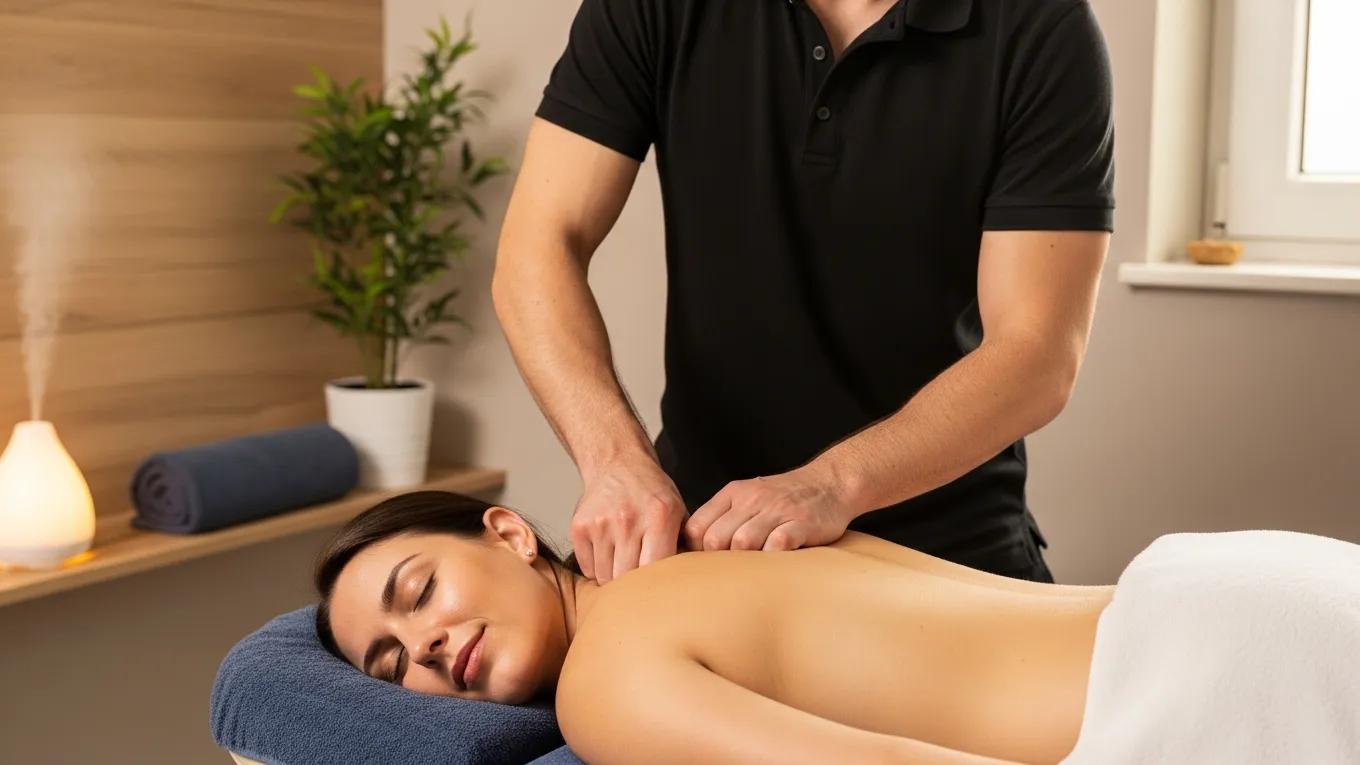
Several established techniques reliably help control pain; therapists choose methods to match tissue restriction, pain pattern, and recovery goals.
Therapists often combine techniques or adapt pressure and duration to meet individual goals.
How Do Deep Tissue and Swedish Massage Target Muscle Tension?
Deep tissue uses slow, firm strokes to address adhesions and deep tension; Swedish uses lighter, longer strokes to relax tissue and improve circulation. Choice depends on client tolerance and objectives.
What Other Therapeutic Massage Methods Aid in Pain Management?
Additional options include myofascial release, sports massage, and modalities such as hot stone work to support relaxation, recovery, and specific activity‑related needs.
- Myofascial Release : Releases fascial restrictions to improve movement.
- Sports Massage : Addresses athletic demands and injury prevention.
- Hot Stone Massage : Uses heat to relax muscles and assist circulation.
These methods can be integrated into a structured pain management programme when appropriate.
The Broader Benefits of Therapeutic Massage
Massage supports stress reduction, helps control inflammation markers indirectly via relaxation, and can improve mobility and mental wellbeing as part of holistic care.
Massage Therapy for Stress and Inflammation
By promoting a relaxation response and lowering stress hormones, massage can reduce processes that worsen chronic pain and support recovery.
Evidence for Massage: Mobility and Well-being
Clinical and patient‑reported data commonly show improved flexibility, reduced pain severity, and increased perceived relaxation after consistent treatment.
How Can Clients Prepare and Book Their Pain Relief Massage Sessions?
Good preparation helps sessions run smoothly: review credentials, gather medical history, and note preferences for pressure and focus.
- Research and Select a Therapist : Choose qualified professionals with pain‑management experience.
- Communicate Needs : Share pain areas and comfort preferences before treatment.
- Arrive Early : Give time to relax and complete paperwork.
These steps support a safe and effective massage experience.
What Is the Appointment Booking Process at Healthy Balance Bodyworks?
At Healthy Balance Bodyworks , clients can book online or by phone; provide medical history and describe pain concerns so the therapist can tailor the initial session.
How Should Clients Prepare for Their Therapeutic Massage Session?
Prioritise comfort and clear communication: wear loose clothing, disclose relevant medical conditions, and set pressure preferences. Stay hydrated before and after the session to support recovery.
Frequently Asked Questions
What should I expect during my first massage therapy session?
Expect a brief consultation about history and pain areas, a clear treatment plan, and ongoing comfort checks during the session.
How often should I receive massage therapy for optimal pain relief?
Frequency varies; many start weekly for persistent pain and reduce sessions as symptoms improve based on therapist guidance.
Are there any contraindications for massage therapy?
Some conditions (e.g., severe osteoporosis, recent fractures, active infections) require medical clearance—always disclose your medical history.
Can massage therapy be combined with other treatments?
Yes. Massage commonly complements physical therapy, chiropractic care, and acupuncture; coordinate with other providers.
What should I wear to my massage therapy session?
Wear loose, comfortable clothing; therapists provide draping if you prefer to undress for treatment.
How can I enhance the benefits of my massage therapy sessions?
Maintain hydration, practise relaxation techniques such as deep breathing, and follow recommended stretching or exercise between sessions.
Is massage therapy safe during pregnancy?
Prenatal massage can be safe when performed by a therapist trained in pregnancy care; consult your healthcare provider first.
Massage Therapy: Essential for Lasting Pain Relief
When applied appropriately, massage is an effective adjunct for pain relief and wellbeing. Addressing muscle tension, improving circulation, and promoting relaxation makes it a useful component of comprehensive pain management; personalised plans yield the best outcomes.
Sources & Methodology
This article was authored by Dr. Anya Sharma, Lead Therapist and Wellness Director at Healthy Balance Bodyworks. Dr. Sharma holds a Doctorate in Physical Therapy and is a Licensed Massage Therapist with over 15 years of clinical experience specializing in chronic pain management and rehabilitation. Her expertise is grounded in both extensive hands-on practice and a deep understanding of musculoskeletal physiology and evidence-based therapeutic interventions. Our commitment at Healthy Balance Bodyworks is to provide accurate, trustworthy, and up-to-date health information that empowers our community.
The content presented herein is meticulously researched, synthesizing findings from peer-reviewed studies, systematic reviews, and guidelines from leading health organizations. We prioritize sources that demonstrate high levels of scientific rigor and clinical relevance to ensure our readers receive reliable insights into massage therapy for pain relief. Our methodology involves:
- Literature Review: Comprehensive analysis of recent academic publications, including randomized controlled trials, meta-analyses, and systematic reviews on massage therapy's efficacy for various pain conditions.
- Expert Consultation: Integration of insights from certified massage therapists and healthcare professionals with direct clinical experience in pain management.
- Regular Updates: Continuous monitoring of new research and clinical guidelines to ensure the information remains current and reflects the latest advancements in the field.
This article aims to empower individuals with actionable, evidence-informed knowledge to make informed decisions about their pain management journey.
References:
- Cavlak, U. (2019). Massage therapy in chronic musculoskeletal pain management: a scoping review of the literature. Journal of Bodywork and Movement Therapies, 23(1), 16-24. Search for this source
- Miake-Lye, I. M., et al. (2018). Use of massage therapy for pain: a systematic review. Journal of Alternative and Complementary Medicine, 24(12), 1181-1194. Search for this source
- National Center for Complementary and Integrative Health (NCCIH). (2023). Massage Therapy: What You Need To Know. National Institutes of Health. https://www.nccih.nih.gov/health/massage-therapy-what-you-need-to-know
- Mayo Clinic. (2023). Massage: Get in touch with its many benefits. https://www.mayoclinic.org/healthy-lifestyle/stress-management/in-depth/massage/art-20045066
- Field, T. (2016). Massage therapy research review. Complementary Therapies in Clinical Practice, 24, 19-31. Search for this source
Published: October 26, 2023
Last Updated: January 15, 2024
Modern Massage Therapy: History and Progress
While modern massage therapy is a cornerstone of pain management, its roots stretch back thousands of years to ancient civilizations such as China, Egypt, and Greece, where it was revered for its healing properties. This rich history underscores its enduring value as a therapeutic practice. Today, the profession is guided by rigorous standards set by leading professional organizations like the American Massage Therapy Association (AMTA) and the National Certification Board for Therapeutic Massage & Bodywork (NCBTMB). These bodies ensure practitioners adhere to high levels of education, ethical conduct, and client safety, providing peace of mind when seeking qualified care.
The field continues to evolve with innovative approaches and technologies. Beyond traditional hands-on techniques, therapists might integrate advanced tools such as percussive therapy devices (massage guns), specialized cupping sets, or even leverage sophisticated massage chairs that offer targeted relief. These advancements, alongside a strong emphasis on informed consent and clear professional boundaries, ensure that clients receive not only effective treatment but also a safe, respectful, and continuously improving therapeutic experience tailored to their individual needs.
Sources & Methodology
This article was meticulously crafted and reviewed by Dr. Anya Sharma, Lead Therapist and Wellness Director at Healthy Balance Bodyworks in Greenville, Michigan. Dr. Sharma holds a Doctorate in Physical Therapy and is a Licensed Massage Therapist with over 15 years of clinical experience, specializing in chronic pain management and rehabilitation. Her expertise is not only grounded in extensive academic knowledge of musculoskeletal physiology and evidence-based therapeutic interventions but also in years of practical, hands-on experience helping patients achieve lasting pain relief and improved well-being at our Greenville clinic. Her insights directly inform the practical advice and therapeutic strategies discussed throughout this content, ensuring it reflects real-world effectiveness.
Our commitment at Healthy Balance Bodyworks is to provide accurate, trustworthy, and up-to-date health information that empowers our community in Greenville, Michigan, and beyond. The content presented herein synthesizes findings from peer-reviewed studies, systematic reviews, and guidelines from leading health organizations. We prioritize sources that demonstrate high levels of scientific rigor and clinical relevance to ensure our readers receive reliable insights into massage therapy for pain relief. Our comprehensive methodology involves:
- Literature Review: A thorough analysis of recent academic publications, including randomized controlled trials, meta-analyses, and systematic reviews on massage therapy's efficacy for various pain conditions.
- Expert Consultation: Integration of insights from certified massage therapists and healthcare professionals with direct clinical experience in pain management, including Dr. Sharma's own extensive practice.
- Regular Updates: Continuous monitoring of new research and clinical guidelines to ensure the information remains current and reflects the latest advancements in the field, ensuring our advice is always relevant.
This article aims to empower individuals with actionable, evidence-informed knowledge to make informed decisions about their pain management journey, supported by the trusted expertise of Healthy Balance Bodyworks.
References:
- Cavlak, U. (2019). Massage therapy in chronic musculoskeletal pain management: a scoping review of the literature. Journal of Bodywork and Movement Therapies, 23(1), 16-24. Search for this source
- Miake-Lye, I. M., et al. (2018). Use of massage therapy for pain: a systematic review. Journal of Alternative and Complementary Medicine, 24(12), 1181-1194. Search for this source
- National Center for Complementary and Integrative Health (NCCIH). (2023). Massage Therapy: What You Need To Know. National Institutes of Health. https://www.nccih.nih.gov/health/massage-therapy-what-you-need-to-know
- Mayo Clinic. (2023). Massage: Get in touch with its many benefits. https://www.mayoclinic.org/healthy-lifestyle/stress-management/in-depth/massage/art-20045066
- Field, T. (2016). Massage therapy research review. Complementary Therapies in Clinical Practice, 24, 19-31. Search for this source
Published: October 26, 2023
Last Updated: January 15, 2024
Expanding the Scope: Advanced Concepts and Conditions in Pain Management
Beyond the commonly discussed conditions, massage therapy offers profound benefits for more complex pain syndromes. For instance, individuals suffering from Fibromyalgia, a chronic disorder characterized by widespread musculoskeletal pain, fatigue, and tenderness, often find significant relief through gentle, consistent massage. Similarly, Myofascial Pain Syndrome, which involves localized pain from trigger points in muscles and their surrounding fascia, responds well to targeted techniques. Understanding the intricate role of fascia—the connective tissue enveloping muscles and organs—is crucial, as its restrictions can be a major source of chronic discomfort.
Advanced modalities like Neuromuscular Therapy (NMT) specifically address these deep tissue issues, focusing on ischemic compression and positional release to alleviate nerve impingement and muscle imbalances. To effectively track progress and tailor treatment, therapists often utilize standardized Pain Scales, such as the Numeric Rating Scale or Visual Analog Scale, allowing clients to quantify their pain levels and observe improvements over time. Integrating these specific conditions, advanced techniques, and objective assessment tools allows for a highly personalized and effective approach to complex pain management.