
Deep Tissue vs Regular Massage: Choose Wisely

Massage therapy includes many approaches. Two common types—deep tissue and regular (Swedish) massage—differ mainly in pressure, technique, and goals. This article summarizes their key distinctions in technique, duration, benefits, and how to choose between them.

What Are the Key Differences Between Deep Tissue and Regular Massage Therapies?

Deep tissue massage focuses on deeper muscle and connective layers using firmer, sustained pressure to relieve chronic pain and persistent tension. Regular (Swedish) massage uses lighter pressure and longer, flowing strokes to promote relaxation and general wellness.

Deep tissue often targets specific problem areas, while regular massage supports whole-body relaxation. For tailored services, see Healthy Balance Bodyworks.

How Do Techniques Differ in Deep Tissue and Regular Massages?
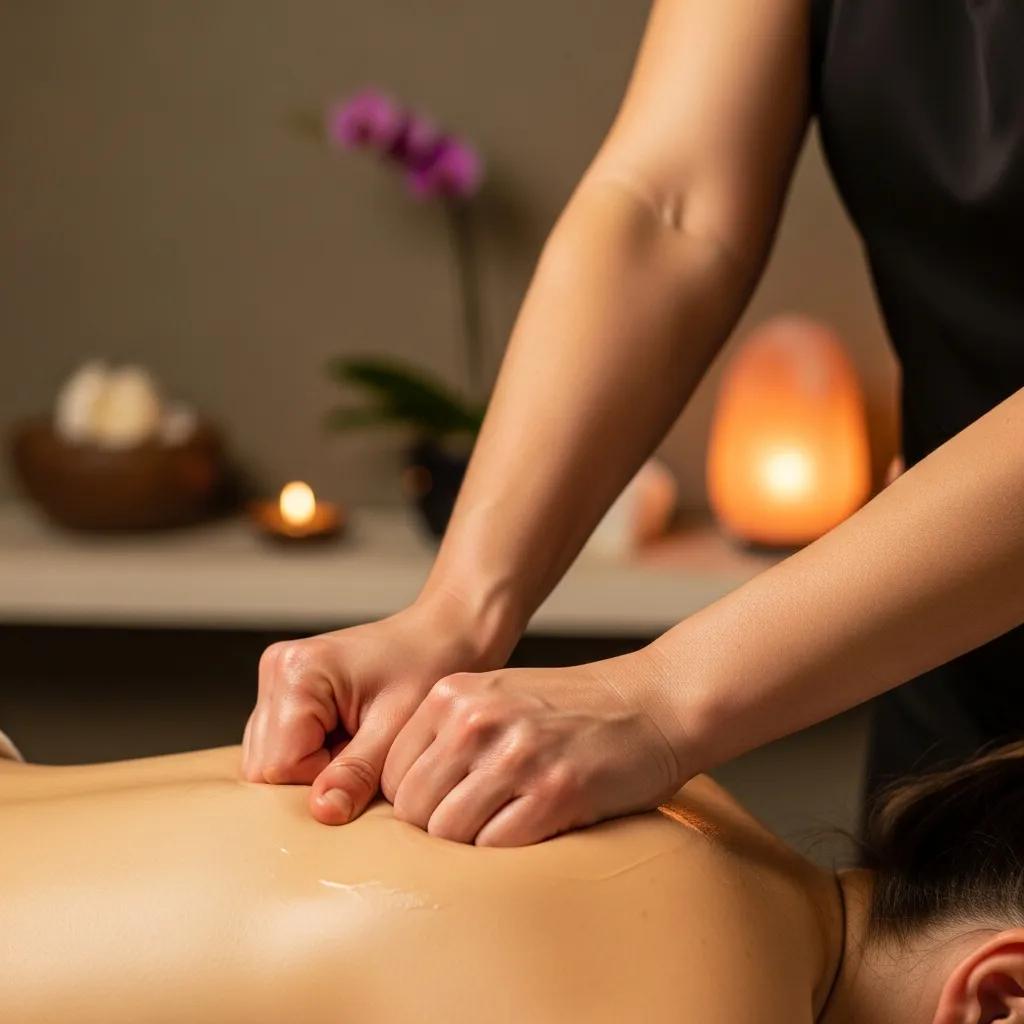
Deep tissue uses slower, deeper strokes with sustained pressure, plus friction and cross‑fiber work to break adhesions and release knots; it is suited to chronic pain or injury recovery.

Regular massage relies on long, flowing strokes and gentle kneading to relax muscles, improve circulation, and soothe the nervous system.

What Are the Typical Treatment Durations for Each Massage Type?

Session length depends on goals: deep tissue sessions commonly run 60–90 minutes to reach deeper layers, while regular massages often range 30–60 minutes. Deep tissue may be scheduled weekly or bi-weekly for chronic issues; regular massage is frequently used more often for maintenance and stress reduction.

What Are the Specific Benefits of Deep Tissue Massage for Pain and Stress Relief?

Deep tissue massage can relieve pain by breaking adhesions and improving local circulation; many clients report relief from lower back pain, neck stiffness, and sports-related tension. It also promotes relaxation and endorphin release, supporting mood and stress management.

How Does Deep Tissue Massage Provide Effective Pain Relief?

Focused, sustained pressure releases tight muscle groups, improves blood flow, and can help reduce inflammation, aiding recovery and restoring function. People with conditions such as fibromyalgia or arthritis may find targeted deep tissue useful as part of ongoing care.

In What Ways Does Deep Tissue Massage Support Stress Reduction?

Deep tissue can trigger the relaxation response, lowering cortisol and supporting neurotransmitter balance, which may reduce anxiety and promote calm. The physical release of tension often improves mental clarity and emotional balance.

What Advantages Does Regular Massage Therapy Offer for Relaxation and Wellness?
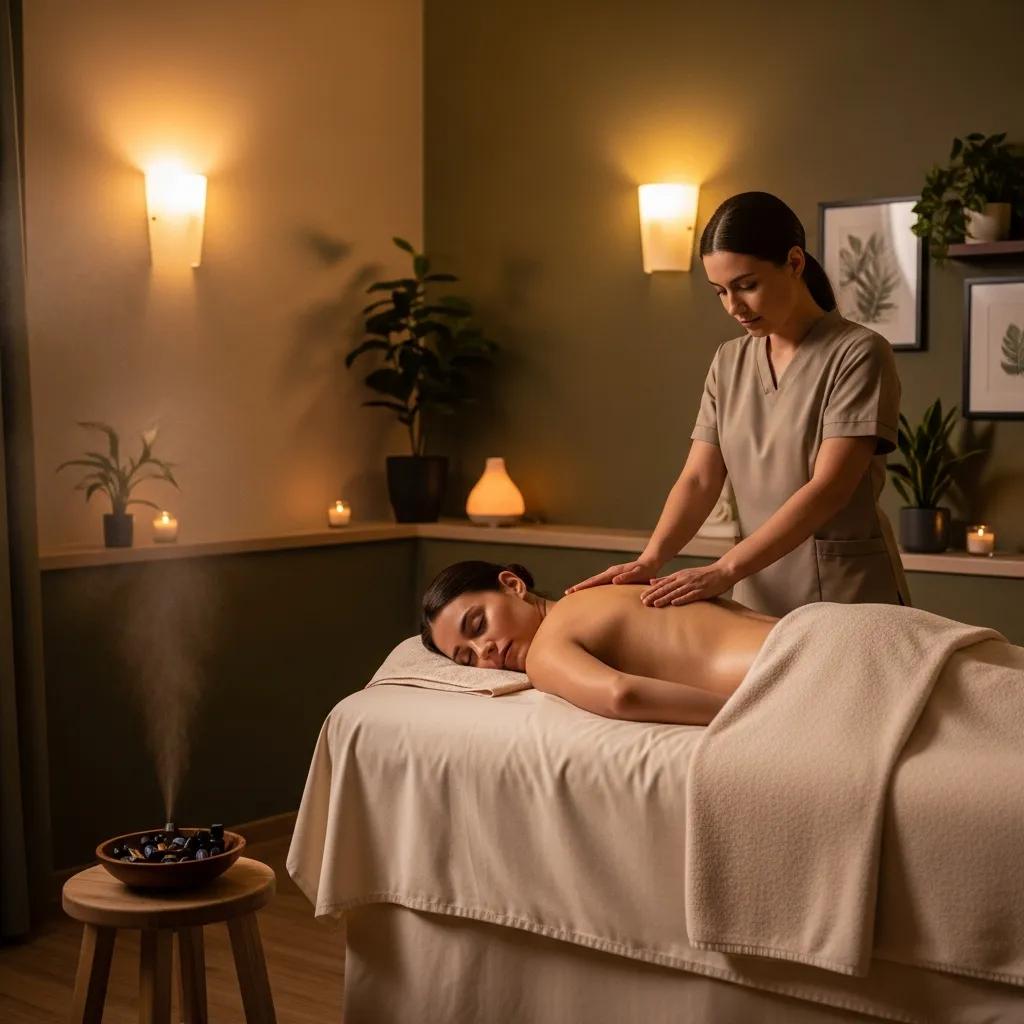
Regular massage promotes deep relaxation, better sleep, and reduced anxiety through soothing strokes that calm the nervous system. Consistent sessions support overall wellness.

Research supports broad health benefits from routine massage therapy.

Documented Health Benefits of Regular Massage

Results from 28 clinical trials indicate that regular massage provides several health‑related benefits. This article reviews those trial outcomes and identifies which massage types produced the observed effects.

What are the benefits of regular massage

Regular massage also improves circulation—helping deliver oxygen and nutrients and aiding post-exertion recovery. It is a gentle method to maintain balance and relaxation.

How Does Regular Massage Promote General Relaxation?

Calming techniques, a soothing environment, and rhythmic strokes reduce muscle tension, increase flexibility, and support both mental and physical well-being.

With repeated sessions, many clients report better stress management and improved quality of life.

What Are the Stress Relief Benefits of Regular Massage Therapy?

Regular massage lowers cortisol and encourages endorphin release, which can boost mood, emotional resilience, and reduce physical discomfort.

How Can You Choose the Right Massage Type for Your Individual Needs?

Choose the therapy that best matches your goals and constraints. Consider these key factors.

  1. Pain Level: If you have chronic pain or persistent muscle tension, deep tissue may be more effective.
  2. Relaxation Goals: For relaxation and stress relief, regular massage is a strong choice.
  3. Time Availability: Regular sessions are often shorter and can be scheduled more frequently if time is limited.
  4. Personal Preference: Comfort with pressure and style should guide your decision.

Weigh these factors to choose the option that aligns with your wellness objectives.

Which Massage Is Better for Specific Pain Relief Goals?

For targeted pain relief—injuries, chronic tension, or focal muscle issues—deep tissue is commonly preferred because therapists can concentrate on problem areas. Regular massage better serves clients who prioritize relaxation and prevention of tension buildup.

Both approaches offer benefits. If unsure, Healthy Balance Bodyworks can help tailor a plan.

Frequently Asked Questions

What are the signs that I might need a deep tissue massage?

Signs include persistent localized discomfort, reduced range of motion, or soreness after activity that doesn't respond to gentler massage. A history of injuries or chronic conditions may also suggest deep tissue work. Consult a qualified therapist for guidance.

Can deep tissue massage help with anxiety and mental health issues?

Deep tissue can reduce anxiety symptoms by promoting relaxation, lowering cortisol, and supporting serotonin; many people feel calmer after sessions. Use it alongside other mental health treatments when appropriate and discuss concerns with your therapist.

How do I prepare for my first massage session?

Arrive early for paperwork, wear comfortable clothing, hydrate, and communicate health concerns and pressure preferences to your therapist to ensure a personalized session.

What should I wear during a massage session?

Wear comfortable clothing that allows movement. Many clients undress to their comfort level; therapists provide draping. If you prefer to remain clothed, tell your therapist so techniques can be adjusted.

Are there any specific aftercare tips for regular massage therapy?

Hydrate after your session, do gentle stretching, rest if needed, and avoid strenuous activity the rest of the day. Use heat or cold for any soreness and report your experience to your therapist.

How can I find a qualified massage therapist?

Ask for recommendations, check licensure and experience in the modality you want, read reviews, and arrange a consultation to discuss needs and assess comfort with their approach.

What should I expect during a deep tissue massage session?

A session starts with a short consultation. The therapist applies firm, focused pressure to identified areas; some discomfort may occur but sharp pain should be avoided. Communicate throughout the session. Typical sessions last 60–90 minutes.

Are there any contraindications for deep tissue massage?

Conditions such as severe osteoporosis, clotting disorders, recent surgery, skin infections, open wounds, or acute inflammation may contraindicate deep tissue massage. Always disclose medical history and medications before treatment.

How often should I get a regular massage for optimal benefits?

Many clients benefit from maintenance sessions every 4–6 weeks; some prefer bi-weekly care when stress or tension is high. Frequency should be personalized with your therapist.

Can I combine deep tissue and regular massage in one session?

Yes. Therapists often blend techniques—starting with Swedish strokes for general relaxation, then applying deeper work to specific areas as needed. Share your preferences beforehand.

What should I do after a deep tissue massage?

Hydrate, rest, and perform gentle stretches to support recovery. Mild soreness is normal; use heat or cold packs if needed and contact your therapist if concerns persist.

Is deep tissue massage suitable for athletes?

Deep tissue is commonly used by athletes to relieve tension, improve flexibility, and aid recovery. Disclose injuries and training demands to ensure safe, targeted care.

Conclusion

Understanding these differences helps you choose the best option for your wellness goals: deep tissue for targeted pain relief and regular massage for relaxation and maintenance. Consider goals, schedule, and comfort, and consult a therapist for a personalized plan. Learn more at Healthy Balance Bodyworks.

Conclusion

Choosing between deep tissue and regular massage affects your outcomes. Deep tissue targets chronic pain; regular massage supports relaxation and overall well-being. Assess your needs and preferences to make an informed choice, and explore tailored services at Healthy Balance Bodyworks.