
Unlock Your Body's Potential
Deep tissue massage works on deep muscles and connective tissue to reduce chronic pain, restore mobility, and support overall well‑being. This concise guide covers key benefits, how the treatment reduces pain, core techniques used by therapists, and simple steps for booking and preparing for a session.
What Are the Key Benefits of Deep Tissue Massage for Pain Relief?

Deep tissue massage is most useful for persistent muscular pain and limited movement.
- Reduces Chronic Pain: Direct work on deep muscle fibers eases long‑standing pain.
- Improves Mobility: Breaks adhesions and scar tissue to restore flexibility.
- Enhances Overall Well‑Being: Regular care can improve sleep, mood, and daily function.
For professional care, Healthy Balance Bodyworks offers tailored deep tissue massage services to address individual needs.
How Does Deep Tissue Massage Alleviate Chronic and Acute Pain?
Sustained, focused pressure releases tension, improves circulation, and lowers pain signals from tight muscles.
- Targets Deeper Muscle Layers: Reaches knots lighter massage may miss.
- Increases Blood Flow: Better circulation brings nutrients that aid healing.
- Releases Muscle Tension: Breaks down restrictive fibers and adhesions.
These mechanisms explain why the therapy helps many acute and chronic conditions.
The therapeutic goals of deep tissue massage are directed at the underlying causes of chronic pain and restricted movement.
Deep Tissue Massage for Chronic Low Back Pain: Muscle, Fascia, and Mobility
The aim of deep tissue massage is to eliminate hyperirritability in muscle and fascia, to reduce soft tissue pain and spasm, to restore normal range of motion, and to improve tissue extensibility. This study compared the effects of deep tissue massage and therapeutic massage on chronic low back pain.
A comparison of the effects of deep tissue massage and therapeutic massage on chronic low back pain, TB Grivas, 2012
Which Conditions Respond Best to Deep Tissue Massage Therapy?
Common conditions that often improve with deep tissue therapy include:
- Chronic Back Pain: Focused work near the spine can reduce persistent pain.
- Sports Injuries: Aids recovery by improving muscle function and reducing scar tissue.
- Stress‑Related Conditions: Relieves tension headaches and stress‑related muscle tightness.
Evidence supports deep tissue massage as an effective option for chronic low back pain and as a way to potentially reduce medication reliance.
Further research supports the efficacy of deep tissue massage in managing chronic low back pain.
Deep Tissue Massage Reduces NSAID Use for Chronic Low Back Pain
The study reports that deep tissue massage produced a reduction in pain and, in practice, could contribute to reduced use of NSAIDs in the treatment of chronic low back pain.
Deep Tissue Massage and Nonsteroidal Anti‐Inflammatory Drugs for Low Back Pain: A Prospective Randomized Trial, 2014
How Does Deep Tissue Massage Help Reduce Stress and Enhance Well-Being?
Beyond physical effects, deep tissue massage can lower the body's stress response and support emotional balance.
- Promotes Relaxation: Deep, focused pressure helps full‑body relaxation.
- Improves Mood: Sessions may stimulate endorphins and ease tension.
- Enhances Mental Clarity: Reduced physical stress often improves focus and daily functioning.
Together these effects support an integrated approach to health.
What Are the Physiological Effects of Deep Tissue Massage on Stress Levels?
Research links deep tissue massage to measurable shifts in stress‑related hormones and neurotransmitters.
- Reduces Cortisol Levels: Lower cortisol supports calmer baseline states.
- Increases Serotonin Production: Helps lift mood and balance neurotransmitters.
- Enhances Overall Relaxation: Hormonal changes reinforce stress relief.
These physiological shifts help explain improvements in mood and recovery.
How Can Regular Sessions Support Holistic Wellness?
Routine sessions strengthen both physical and emotional resilience.
- Supports Physical Health: Maintains muscle health and reduces injury risk.
- Enhances Emotional Well‑Being: Regular relief supports stress management.
- Promotes Self‑Care: Scheduling routine therapy encourages preventive health habits.
Used alongside other self‑care practices, deep tissue massage fits into a long‑term wellness plan.
What Techniques Are Used in Deep Tissue Massage Therapy?
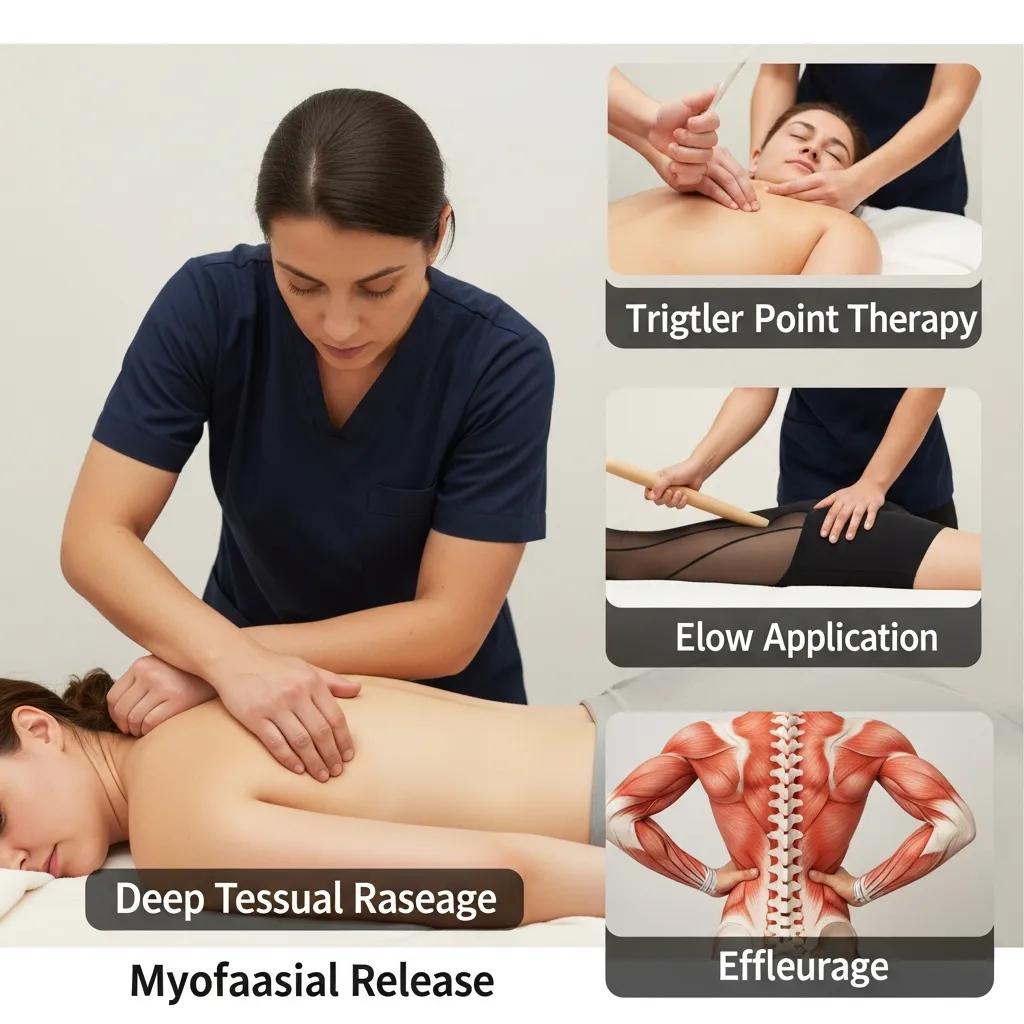
Therapists choose techniques to match each client's needs. Common methods include:
- Myofascial Release: Releases fascia tension around muscles.
- Trigger Point Therapy: Focused pressure on painful knots.
- Cross‑Fiber Friction: Breaks adhesions across muscle fibers.
Therapists combine these techniques to create individualized, effective sessions.
Which Massage Methods Target Muscle Recovery and Myofascial Release?
Several modalities support recovery and fascial work:
- Sports Massage: For athletes and active recovery.
- Therapeutic Massage: Mixes techniques to address injuries and chronic issues.
- Swedish Massage: Gentler work that can complement deeper methods.
Choose the method based on goals, timing, and tolerance.
Beyond general recovery, massage therapy including deep tissue techniques has demonstrated significant benefits for athletes.
Deep Tissue Massage Boosts Athlete Performance & Well-being
This systematic review concludes that massage therapy has a positive impact on both physical performance and psychological well‑being in athletes. The review included various massage types such as Swedish massage, deep tissue massage, sports massage, and self‑massage.
Evaluating the impact of massage therapy on performance and well-being in taekwondo practitioners: A systematic review, ML Mathunjwa, 2025
How Do Expert Therapists Customize Techniques for Individual Needs?
Therapists personalize care via assessment and ongoing feedback.
- Client Feedback: Sessions begin with a review of pain, history, and goals.
- Personalized Treatment Plans: Short‑ and long‑term goals guide technique selection.
- Adjusting Pressure and Techniques: Pressure is modified for safety and comfort.
Personalization improves outcomes and client comfort.
How Can You Book a Professional Deep Tissue Massage Near You?
Booking is simple: find licensed therapists, compare availability, and confirm expectations.
- Finding Qualified Therapists: Look for licensed practitioners with deep tissue experience.
- Scheduling Options: Many clinics offer evenings and weekends.
- What to Expect During the Appointment: A therapist will review history, discuss goals, and tailor the session.
These steps will help you select a qualified provider.
What Is the Appointment Booking Process at Healthy Balance Bodyworks?
Healthy Balance Bodyworks makes booking straightforward to connect clients with experienced therapists.
- Check Availability: Visit the website or call to view times.
- Contact Information: Reach us at (616) 754-0490 or healthybalance1@gmail.com.
- New Client Forms: New clients complete a short health history and preference form.
This information helps therapists prepare safe, effective treatments.
What Are the Typical Costs and Session Options Available?
Prices and packages vary; common choices include single sessions, multi‑session packages, and potential insurance coverage.
- Single Sessions: Price varies by session length and therapist experience.
- Package Options: Multi‑session packages often lower the per‑session cost.
- Insurance Considerations: Some plans may cover therapeutic massage—check with your provider.
Compare offerings to find the best fit for your needs and budget.
Frequently Asked Questions
What are the differences between deep tissue massage and other types of massage?
Deep tissue targets the deeper muscle and connective tissue with firmer pressure to address chronic pain and tension; Swedish massage is lighter and focuses on relaxation. Choose based on whether your goal is pain relief or relaxation.
How can deep tissue massage aid in sports recovery?
It can improve circulation, reduce soreness, address scar tissue, and help maintain muscle health to support performance and recovery.
Is deep tissue massage safe for everyone?
Generally safe, but people with severe osteoporosis, recent surgery, certain cardiac conditions, or other serious issues should consult a healthcare provider before treatment and disclose medical concerns to the therapist.
What can I expect during my first deep tissue massage session?
The therapist will take a brief history, discuss goals, and use targeted pressure on problem areas; communicate openly about comfort and pain thresholds during the session.
How does deep tissue massage impact mental health?
It can reduce stress and anxiety by promoting relaxation and supporting hormonal balance, and it may complement—but not replace—professional mental health care.
Are there any specific aftercare tips following a deep tissue massage?
Drink water, rest, avoid heavy exercise for the day, and use gentle stretching or a warm bath if mild soreness occurs; follow any therapist instructions.
What should I wear during a deep tissue massage session?
Wear comfortable clothing; clients undress to their comfort level and are draped appropriately—tell the therapist your preference before the session.
How often should I get a deep tissue massage for optimal results?
Frequency depends on goals; for chronic issues, weekly sessions may be recommended initially, then tapered to biweekly or monthly as symptoms improve.
Are there any contraindications for deep tissue massage?
Individuals with severe osteoporosis, recent surgery, active skin infection, clotting disorders, or certain cardiac conditions should consult a physician before treatment and always disclose medications and health history.
Can deep tissue massage help with anxiety and depression?
It can support mood and reduce stress symptoms but should complement, not replace, professional mental health treatment when needed.
What should I do after a deep tissue massage session?
Drink water, rest, avoid heavy exercise for the remainder of the day, and follow any aftercare guidance from your therapist.
How can I find a qualified deep tissue massage therapist?
Search licensed clinics, review credentials and client feedback, verify certifications, and request a brief consultation to confirm experience with your concerns.
Conclusion
Deep tissue massage can relieve chronic pain, improve mobility, and support emotional well‑being when provided by trained therapists. As part of a broader self‑care plan, it can enhance recovery and daily function—consider a consultation to see if regular sessions are right for you.
Conclusion
When integrated into routine self‑care, targeted deep tissue techniques can produce meaningful improvements in physical and mental health. Consult a professional to explore local options and book a session to experience the benefits firsthand.